
When a furnace starts taking longer than usual to heat your home, it is often a sign that something is not working as efficiently as it should. While many homeowners assume this is just a normal part of aging equipment or colder weather, the reality is that delayed heating usually points to an underlying issue that needs attention. Ignoring it can lead to higher energy bills, reduced comfort, and even system failure during peak winter demand.
Understanding the common causes behind slow heating can help you identify problems early and know when it is time to call a professional HVAC contractor like Texas Air Authorities.
Dirty Air Filters Restrict Airflow
One of the most common reasons a furnace takes longer to heat a home is a dirty or clogged air filter. Air filters are designed to trap dust, dirt, and airborne particles, but when they become too dirty, they restrict airflow throughout the system.
When airflow is limited, the furnace has to work harder and run longer to reach the desired temperature. This not only slows down heating but also increases strain on the system, which can shorten its lifespan. Regularly replacing or cleaning air filters is a simple but essential step in maintaining proper furnace performance.
Thermostat Issues and Incorrect Settings
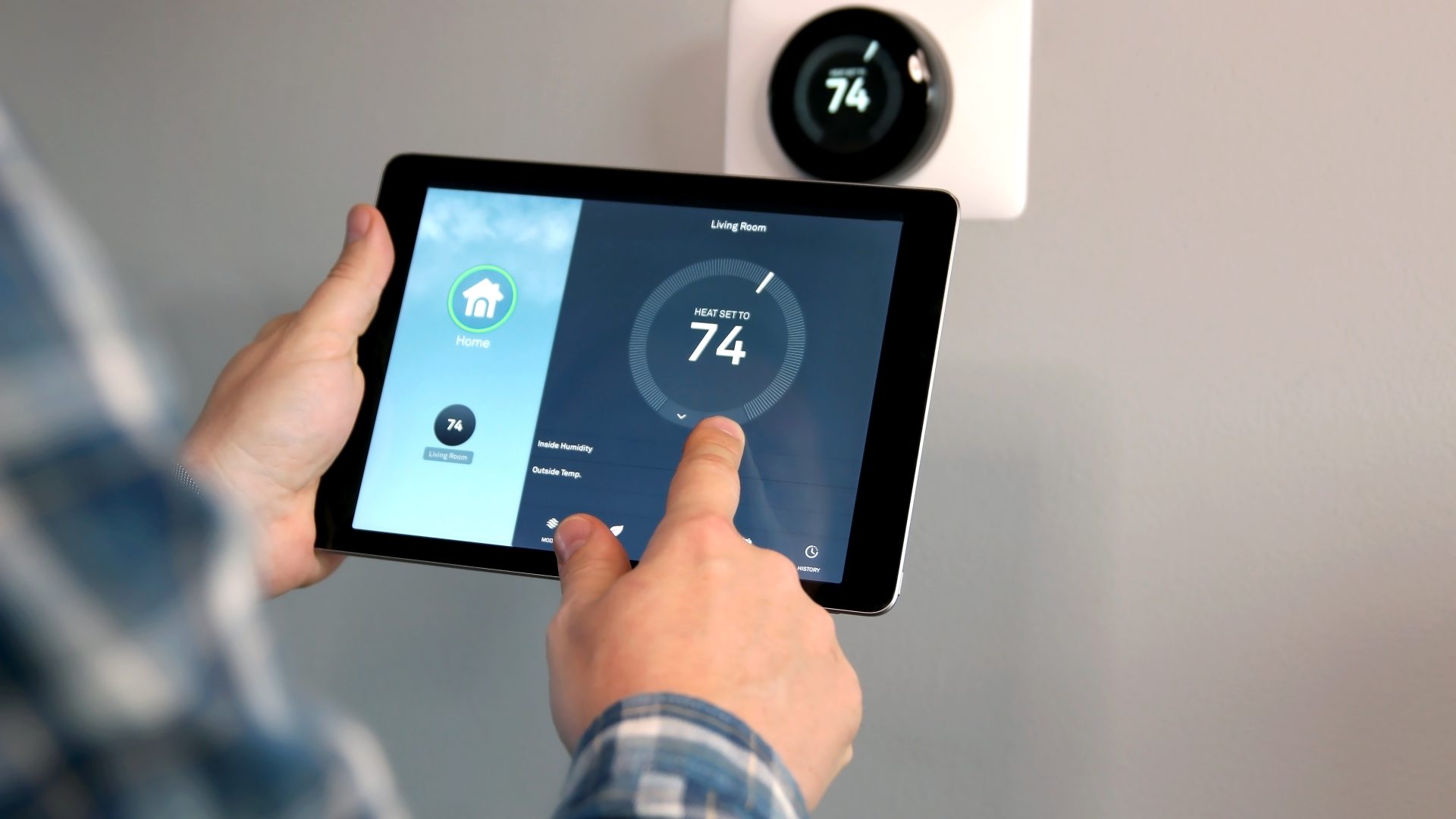
Sometimes the problem is not with the furnace itself but with the thermostat. If the thermostat is malfunctioning, outdated, or incorrectly calibrated, it may not accurately read the indoor temperature. This can cause the furnace to run longer than necessary or cycle inefficiently.
In other cases, incorrect thermostat settings—such as fan settings left on “ON” instead of “AUTO”—can cause air to circulate continuously without proper heating cycles. HVAC professionals can test thermostat accuracy and recommend upgrades to programmable or smart thermostats for better control and efficiency.
Ductwork Leaks and Poor Air Distribution
Leaky or poorly insulated ductwork can significantly impact how quickly your home heats up. When heated air escapes through gaps in the ducts, it never fully reaches the rooms that need it. This forces the furnace to run longer to compensate for lost heat.
In addition, blocked or poorly designed ducts can create uneven heating throughout the home. Some rooms may warm up quickly while others remain cold, making the system seem slower overall. A professional inspection can identify duct leaks and improve airflow balance, restoring efficient heating performance.
Aging Furnace Components
As furnaces age, their components naturally wear down. Parts such as the blower motor, heat exchanger, or ignition system may begin to lose efficiency over time. When this happens, the furnace may still function but take much longer to heat the home.
An older system may also struggle to maintain consistent performance during colder weather, especially if it has not been regularly maintained. In many cases, routine servicing can extend system life, but eventually, replacement may become the most cost-effective option.
Lack of Regular Maintenance
Furnaces require regular maintenance to operate efficiently. Without seasonal tune-ups, dust buildup, worn parts, and minor mechanical issues can all combine to slow down performance.
During a professional maintenance visit, HVAC technicians inspect key components, clean internal parts, check safety systems, and ensure everything is operating at peak efficiency. Skipping this maintenance often leads to slower heating times and higher energy consumption.
Undersized or Outdated Furnace Systems
In some cases, the furnace itself may simply not be properly sized for the home. If a system is too small, it will struggle to generate enough heat to warm the entire space efficiently. This results in longer run times and inconsistent comfort levels.
Similarly, outdated systems may not meet modern efficiency standards, making them less effective at heating quickly. Upgrading to a properly sized and energy-efficient system can significantly improve heating performance and reduce utility costs.
When to Call a Professional HVAC Contractor
If your furnace is consistently taking longer to heat your home, it is important not to ignore the issue. While some causes are simple, others require professional diagnosis and repair. A trained HVAC technician can inspect your system, identify the root cause, and recommend the most effective solution.
Working with experienced professionals like Texas Air Authorities ensures that your heating system is properly evaluated and restored to peak performance. With same-day service, NATE-certified technicians, and a commitment to quality, homeowners can feel confident their comfort is in good hands.
Conclusion
A furnace that takes too long to heat your home is more than just an inconvenience—it is often a warning sign of deeper efficiency or mechanical issues. From clogged filters and thermostat problems to duct leaks and aging components, several factors can contribute to slow heating performance. Addressing these issues early helps maintain comfort, reduce energy costs, and extend the life of your HVAC system.
For homeowners in the Dallas–Fort Worth area, trusting a professional team like Texas Air Authorities ensures reliable heating performance and peace of mind all winter long.
Texas Air Authorities is the premier choice for HVAC services in Arlington. With a team of highly trained and certified technicians, we have the expertise to handle all of your heating, ventilation, and air conditioning needs. Our commitment to customer satisfaction is unmatched, and we always go above and beyond to ensure that your experience with us is positive. We use only the highest quality parts and equipment to ensure that your HVAC system is running at peak performance. Plus, we offer competitive pricing and flexible scheduling to fit your needs. Choose Texas Air Authorities for all of your HVAC needs in Arlington.
