
A professional HVAC system evaluation is a detailed inspection designed to assess the performance, safety, and efficiency of your heating and cooling system. Whether it is an air conditioner, furnace, heat pump, or a full HVAC setup, this evaluation helps identify hidden issues before they turn into expensive repairs or complete system failure. It also ensures your system is operating at peak efficiency, which can lower energy bills and improve indoor comfort.
For homeowners in areas like the Dallas–Fort Worth Metroplex, where extreme temperatures are common, regular HVAC evaluations are especially important. Companies such as Texas Air Authorities perform these evaluations to help homeowners maintain reliable comfort year-round.
Initial Inspection and System Overview
The evaluation typically begins with a full visual inspection of the HVAC system. The technician reviews both indoor and outdoor units to understand the current condition and installation quality.
During this stage, the technician will:
- Examine the air handler, furnace, or evaporator coil for visible wear or damage
- Check the outdoor condenser unit for debris, dirt buildup, or physical obstructions
- Inspect overall system placement and accessibility
- Look for signs of leaks, corrosion, or aging components
This initial step gives the technician a baseline understanding of how well the system has been maintained and whether immediate issues are present.
Thermostat and Control Assessment
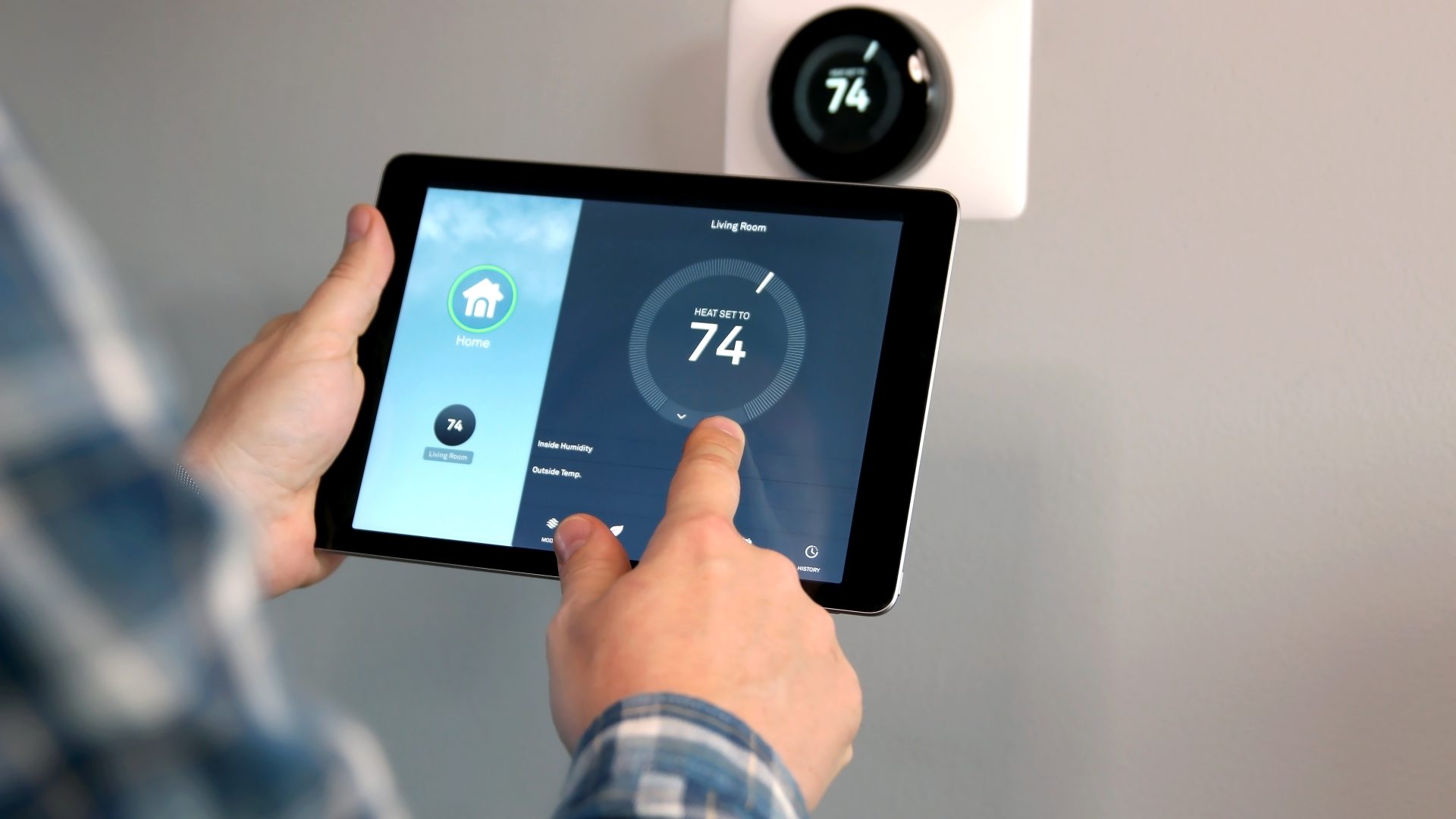
After the visual inspection, attention shifts to the thermostat and control systems. Since the thermostat acts as the “brain” of the HVAC system, even small issues here can lead to major comfort problems.
The technician will:
- Test thermostat accuracy by comparing set temperatures to actual room temperatures
- Check wiring connections and communication with the HVAC system
- Ensure programming settings are optimized for energy efficiency
- Verify that smart thermostats, if installed, are properly connected and calibrated
A malfunctioning thermostat can cause short cycling, uneven temperatures, or unnecessary energy consumption, so this step is critical.
Airflow and Ductwork Evaluation
Proper airflow is essential for both comfort and efficiency. If air cannot move freely through the system, the HVAC unit must work harder, which increases energy costs and wear on components.
During this portion of the evaluation, technicians typically:
- Measure airflow from vents throughout the home
- Inspect ductwork for leaks, gaps, or disconnected sections
- Check for blockages such as dust buildup or debris
- Evaluate air filters and determine if replacement is needed
Poor duct performance is one of the most common hidden issues in residential HVAC systems. Even a small leak can significantly reduce efficiency and comfort.
Electrical and Mechanical Component Testing
Next, the technician examines the internal mechanical and electrical components of the system. These parts are essential for safe and reliable operation.
This step often includes:
- Testing capacitors, relays, and contactors for proper function
- Inspecting blower motors and fan operation
- Checking electrical connections for wear, looseness, or overheating
- Measuring voltage and amperage to ensure safe operation
If any component is nearing failure, the technician can identify it early and recommend preventive repairs. This helps avoid unexpected system breakdowns during peak usage seasons.
Refrigerant and Cooling Performance Check
For air conditioning systems, refrigerant levels and cooling performance are a major focus. Improper refrigerant levels can significantly reduce cooling efficiency and damage the compressor over time.
The technician will:
- Measure refrigerant pressure levels to ensure they match manufacturer specifications
- Inspect refrigerant lines for leaks or damage
- Check evaporator and condenser coil performance
- Evaluate overall cooling output and temperature drop across the system
If refrigerant levels are too low or too high, it indicates a problem that needs immediate attention. Addressing these issues early helps prevent costly repairs and improves cooling performance during hot weather.
Safety and Efficiency Analysis
Once all system components have been tested, the technician performs a final safety and efficiency review. This ensures the HVAC system is not only functional but also safe for long-term use.
Key checks include:
- Carbon monoxide testing for gas furnaces
- Heat exchanger inspection for cracks or damage
- Ventilation and exhaust system verification
- Overall energy efficiency rating assessment
This step is especially important for older systems, where wear and tear can create safety risks if left unchecked.
Final Report and Recommendations
After completing the evaluation, the technician compiles a detailed report of findings. This report typically includes system condition, identified issues, and recommended solutions.
Homeowners can expect:
- A summary of system performance and efficiency
- A list of any repair needs or worn components
- Recommendations for maintenance or upgrades
- Estimated lifespan of the current HVAC system
A professional company such as Texas Air Authorities will also explain these findings in clear, simple terms so homeowners can make informed decisions about repairs or replacements.
Conclusion
A professional HVAC system evaluation is more than just a routine inspection. It is a comprehensive diagnostic process that ensures your system is safe, efficient, and capable of handling seasonal demands. From airflow testing and electrical checks to refrigerant analysis and safety inspections, every step plays a role in maintaining long-term performance.
Regular evaluations can help prevent unexpected breakdowns, reduce energy costs, and extend the life of your HVAC system. For homeowners in the Dallas–Fort Worth area, scheduling consistent evaluations with experienced technicians is one of the most effective ways to ensure year-round indoor comfort and peace of mind.
Texas Air Authorities is the premier choice for HVAC services in Arlington. With a team of highly trained and certified technicians, we have the expertise to handle all of your heating, ventilation, and air conditioning needs. Our commitment to customer satisfaction is unmatched, and we always go above and beyond to ensure that your experience with us is positive. We use only the highest quality parts and equipment to ensure that your HVAC system is running at peak performance. Plus, we offer competitive pricing and flexible scheduling to fit your needs. Choose Texas Air Authorities for all of your HVAC needs in Arlington.
