
Texas weather can change quickly, especially during the colder months. One day may feel mild and comfortable, while the next brings freezing temperatures and strong winds. During sudden temperature drops, many homeowners notice their furnace seems to run constantly while still struggling to keep the home warm. While this can be frustrating, there are several reasons why a furnace may have difficulty maintaining indoor comfort during extreme weather changes.
At Texas Air Authorities, we help homeowners throughout the Dallas-Fort Worth Metroplex diagnose heating problems and improve furnace performance during periods of heavy demand. Understanding why your furnace struggles during sudden cold weather can help you identify potential issues early and avoid unexpected breakdowns.
Your Furnace Works Harder During Extreme Temperature Changes
Furnaces are designed to maintain indoor comfort, but sudden outdoor temperature drops place much greater demand on the heating system. When temperatures fall rapidly, your furnace must work longer and harder to replace the heat escaping from your home.
During extreme cold, it is normal for your furnace to:
- Run longer heating cycles
- Cycle on more frequently
- Take longer to reach the thermostat setting
- Work continuously during peak cold periods
However, if your home never feels warm enough or the system cannot keep up at all, underlying HVAC issues may be contributing to the problem.
Dirty Air Filters Restrict Heating Efficiency
A clogged air filter is one of the most common reasons a furnace struggles during cold weather. Dirty filters block airflow, forcing the system to work harder while delivering less heated air throughout the home.
Restricted airflow can cause:
- Weak airflow from vents
- Uneven room temperatures
- Furnace overheating
- Increased energy bills
- Longer heating cycles
Replacing the filter regularly helps maintain proper airflow and improves furnace performance during colder temperatures.
Poor Insulation Allows Heat to Escape
Even a properly functioning furnace can struggle if your home loses heat too quickly. Poor insulation allows warm indoor air to escape while cold outdoor air enters through gaps and weak areas in the home.
Common heat loss areas include:
- Attics
- Windows and doors
- Crawl spaces
- Exterior wall gaps
- Duct penetrations
Homes with insufficient insulation often experience cold drafts and uneven temperatures during sudden cold snaps.
Improving insulation and sealing air leaks can significantly reduce strain on your furnace.
Leaky Ductwork Reduces Warm Air Delivery
Your furnace depends on ductwork to distribute heated air throughout the home. If ducts have cracks, loose connections, or holes, warm air may escape before reaching certain rooms.
Duct leaks can become more noticeable during extreme cold because the furnace must work harder to compensate for lost airflow.
Signs of duct problems include:
- Cold rooms despite the furnace running
- Weak airflow
- Rising utility bills
- Excess dust buildup
- Uneven heating throughout the home
Professional duct inspections and sealing services can improve efficiency and restore comfort.
Thermostat Issues Can Affect Heating Performance
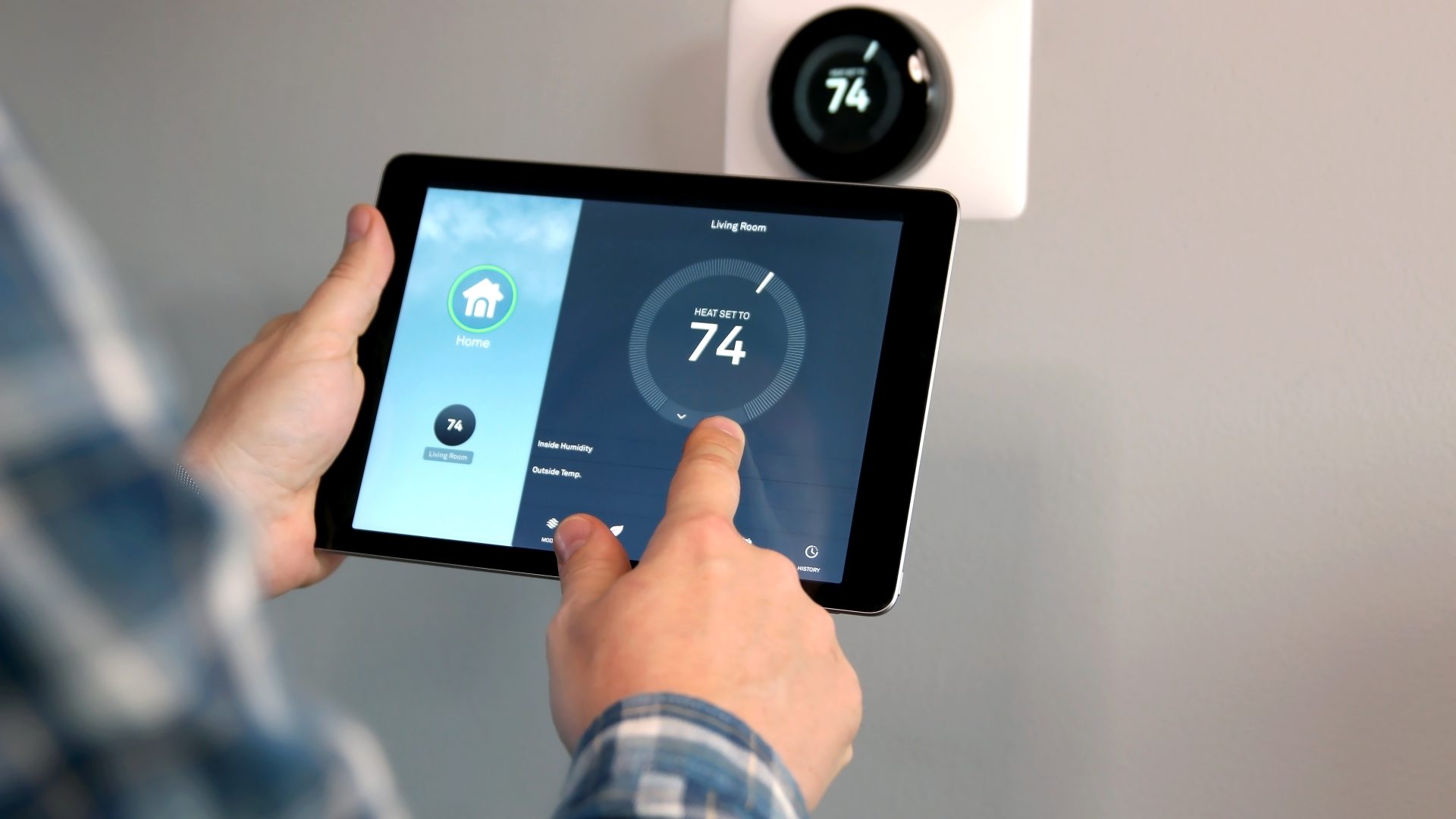
Sometimes the furnace itself is not the problem. Faulty thermostats or incorrect settings can interfere with proper heating during temperature drops.
Homeowners should check:
- That the thermostat is set to “heat”
- The fan setting is on “auto”
- Batteries are functioning properly
- The thermostat is reading temperatures accurately
If the thermostat is located near windows or drafty areas, it may sense incorrect temperatures and cause heating inconsistencies.
Older Furnaces May Lose Efficiency
As furnaces age, components naturally wear down and heating efficiency declines. Older systems may struggle to keep up with sudden weather changes because they no longer operate at peak performance.
Common signs of an aging furnace include:
- Frequent repairs
- Uneven heating
- Rising energy costs
- Constant operation during cold weather
- Strange noises or odors
If your furnace is more than 15 to 20 years old, replacement may provide better efficiency, comfort, and reliability.
Blower Motor Problems Limit Airflow
The blower motor is responsible for pushing heated air through the duct system. If the blower motor is failing or operating inefficiently, your furnace may struggle to circulate warm air throughout the home.
Signs of blower motor issues include:
- Weak airflow from vents
- Inconsistent heating
- Loud operational noises
- Frequent cycling
- Furnace overheating
Professional HVAC technicians can inspect the blower motor and identify whether repairs or replacement are necessary.
Dirty Burners and Ignition Problems Affect Heat Output
Gas furnaces rely on burners and ignition systems to produce heat. Dirty burners or ignition malfunctions can reduce the amount of heat generated during operation.
This may cause the furnace to:
- Produce lukewarm air
- Run continuously without warming the home
- Cycle irregularly
- Consume more energy
Routine furnace maintenance helps keep burners and ignition components clean and functioning properly.
Preventive Maintenance Improves Cold Weather Performance
One of the best ways to prepare your furnace for sudden temperature drops is through professional maintenance. During a maintenance visit, HVAC technicians inspect components, clean the system, test airflow, check safety controls, and identify potential issues before they become major repairs.
At Texas Air Authorities, our NATE-certified technicians provide expert furnace maintenance, repairs, and installations throughout Arlington, Fort Worth, Mansfield, Irving, Grapevine, and surrounding communities. We offer same-day appointments, free estimates, and dependable HVAC solutions designed for Texas homes.
Conclusion
Sudden temperature drops can place heavy demand on your furnace, especially if hidden HVAC problems already exist. Dirty air filters, poor insulation, duct leaks, thermostat issues, aging equipment, and airflow restrictions can all reduce heating performance during colder weather.
Addressing these issues early helps improve comfort, lower energy costs, and reduce the risk of unexpected breakdowns. Texas Air Authorities is proud to provide reliable heating services throughout the Dallas-Fort Worth Metroplex with experienced technicians, quality workmanship, and exceptional customer care designed to keep your home comfortable all winter long.
Texas Air Authorities is the premier choice for HVAC services in Arlington. With a team of highly trained and certified technicians, we have the expertise to handle all of your heating, ventilation, and air conditioning needs. Our commitment to customer satisfaction is unmatched, and we always go above and beyond to ensure that your experience with us is positive. We use only the highest quality parts and equipment to ensure that your HVAC system is running at peak performance. Plus, we offer competitive pricing and flexible scheduling to fit your needs. Choose Texas Air Authorities for all of your HVAC needs in Arlington.
