
Many homeowners assume that HVAC problems only occur when a major component completely breaks down. In reality, even small component failures can significantly affect the overall performance of your heating and cooling system. Minor issues that seem harmless at first can gradually reduce efficiency, increase energy bills, weaken comfort levels, and place added strain on the entire system.
At Texas Air Authorities, we help homeowners throughout the Dallas-Fort Worth Metroplex identify and repair small HVAC problems before they develop into expensive system failures. Understanding how minor component issues affect HVAC performance can help homeowners protect their comfort, reduce repair costs, and extend equipment lifespan.
Small Problems Can Create Major System Strain
An HVAC system relies on many components working together properly. If one small part begins to fail, the rest of the system often compensates by working harder than normal.
Minor failures can affect:
- Airflow
- Temperature control
- Energy efficiency
- Humidity levels
- System cycling
- Indoor comfort
Even a single malfunctioning component can place extra strain on the blower motor, compressor, heat exchanger, or other critical parts of the system.
Dirty Air Filters Restrict Airflow
One of the most common minor HVAC problems is a clogged air filter. While replacing a filter may seem simple, dirty filters can have a major impact on system performance.
Restricted airflow caused by dirty filters may lead to:
- Weak airflow from vents
- Frozen evaporator coils
- Furnace overheating
- Increased energy usage
- Uneven temperatures throughout the home
Over time, the added strain from restricted airflow can shorten the lifespan of HVAC equipment and increase the risk of costly repairs.
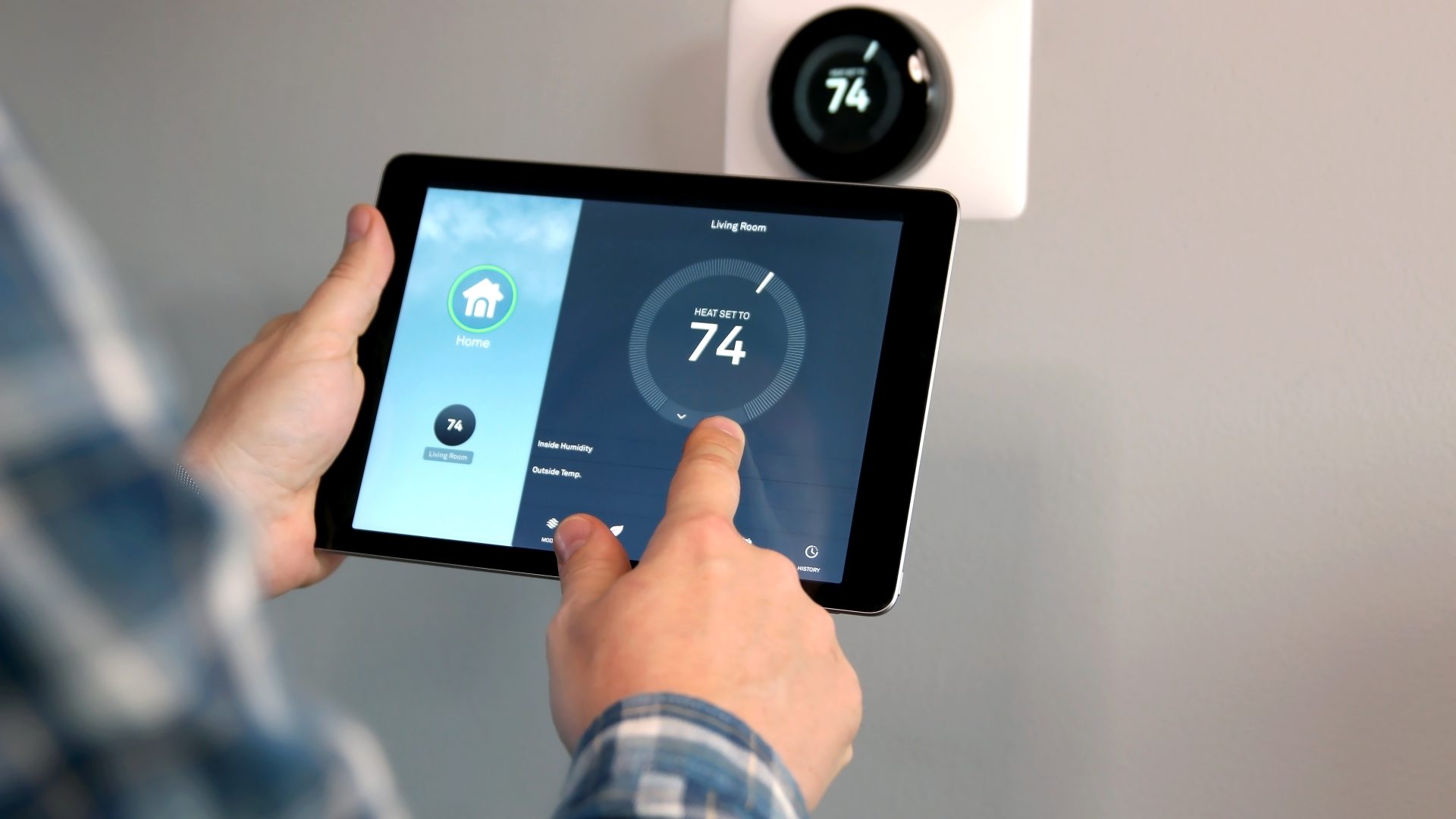
Faulty Thermostats Affect Temperature Control
A thermostat may appear to be a small part of the HVAC system, but it plays a major role in maintaining indoor comfort. When thermostats malfunction, the system may receive incorrect temperature readings or cycle improperly.
Thermostat issues can cause:
- Constant cycling
- Inconsistent temperatures
- Reduced efficiency
- Increased wear on components
- Poor indoor comfort
Modern programmable and smart thermostats help improve temperature accuracy and overall system performance.
Capacitor Problems Can Damage Motors
Capacitors help start and operate HVAC motors. When a capacitor begins to weaken, the motors may struggle to function properly.
A failing capacitor can contribute to:
- Hard starting
- Weak airflow
- Compressor strain
- Increased electrical consumption
- Unexpected system shutdowns
If ignored, capacitor problems can eventually damage much more expensive HVAC components.
Refrigerant Issues Reduce Cooling Performance
Low refrigerant levels are another common minor issue that can severely affect AC performance. Even small refrigerant leaks can reduce the system’s ability to cool efficiently.
Low refrigerant may cause:
- Warm air from vents
- Frozen evaporator coils
- Longer cooling cycles
- Compressor overheating
- Reduced energy efficiency
Because refrigerant problems place heavy strain on the compressor, addressing leaks early is extremely important.
Worn Blower Components Affect Air Circulation
The blower assembly is responsible for circulating conditioned air throughout the home. Small problems such as worn belts, damaged fan blades, or weak motors can significantly reduce airflow.
Poor blower performance may lead to:
- Uneven cooling or heating
- Weak airflow
- Increased humidity
- Reduced efficiency
- Constant system operation
Proper airflow is essential for maintaining consistent indoor comfort.
Electrical Connection Problems Cause Intermittent Failures
Loose or damaged electrical connections are often overlooked during routine HVAC operation. However, small electrical problems can create major reliability issues.
Electrical issues may result in:
- Random system shutdowns
- Short cycling
- Increased component wear
- Blown fuses or breakers
- Safety hazards
Professional inspections help identify electrical problems before they cause larger failures.
Drainage Problems Can Affect System Operation
Air conditioners produce condensation as part of the cooling process. If the condensate drain line becomes clogged, water may back up into the system.
Drainage issues can lead to:
- Water leaks
- Mold growth
- System shutdowns
- Indoor humidity problems
- Water damage near the HVAC unit
Routine maintenance helps keep drain lines clear and functioning properly.
Minor Duct Problems Reduce Efficiency
Small duct leaks or airflow restrictions may not seem serious initially, but they can reduce HVAC efficiency and create comfort issues throughout the home.
Minor duct issues can cause:
- Hot and cold spots
- Increased energy bills
- Weak airflow
- Dust buildup
- Longer system run times
Proper duct inspections help ensure conditioned air reaches every room effectively.
Preventive Maintenance Helps Catch Small Problems Early
Many major HVAC breakdowns begin as minor issues that gradually worsen over time. Routine maintenance allows technicians to identify worn components, airflow restrictions, electrical problems, and refrigerant issues before they become expensive repairs.
Preventive maintenance often includes:
- Filter inspections
- Electrical testing
- Refrigerant checks
- Airflow evaluation
- Cleaning coils and components
- Thermostat calibration
Regular service helps improve efficiency, reliability, and overall system lifespan.
Professional HVAC Service Protects Long-Term Performance
At Texas Air Authorities, our NATE-certified technicians provide expert HVAC inspections, repairs, maintenance, and installations throughout Arlington, Fort Worth, Mansfield, Grapevine, Irving, and surrounding communities. We work on all major brands and provide same-day appointments, free estimates, and dependable HVAC solutions designed to keep your system operating efficiently year-round.
Conclusion
Minor HVAC component failures may seem insignificant at first, but they can quickly affect the performance of the entire system. Dirty filters, weak capacitors, refrigerant leaks, thermostat problems, airflow restrictions, and electrical issues all place additional strain on HVAC equipment and reduce indoor comfort.
Addressing small problems early helps improve efficiency, reduce energy costs, prevent major breakdowns, and extend the lifespan of your heating and cooling system. Texas Air Authorities is proud to help homeowners throughout the Dallas-Fort Worth Metroplex maintain reliable indoor comfort with professional HVAC services and expert system care.
Texas Air Authorities is the premier choice for HVAC services in Arlington. With a team of highly trained and certified technicians, we have the expertise to handle all of your heating, ventilation, and air conditioning needs. Our commitment to customer satisfaction is unmatched, and we always go above and beyond to ensure that your experience with us is positive. We use only the highest quality parts and equipment to ensure that your HVAC system is running at peak performance. Plus, we offer competitive pricing and flexible scheduling to fit your needs. Choose Texas Air Authorities for all of your HVAC needs in Arlington.
