
Scheduling your first visit from an HVAC contractor can raise a lot of questions. Whether you are dealing with a malfunctioning air conditioner, planning a new installation, or scheduling routine maintenance, knowing what to expect can make the process smoother and less stressful. A professional HVAC visit is designed to evaluate your system, identify issues, and provide clear recommendations that help improve comfort and efficiency in your home.
Initial Greeting and Discussion
The first step during an HVAC contractor visit usually begins with a brief introduction and conversation. The technician will ask about the reason for the appointment and any issues you have noticed. This discussion helps them understand your concerns and determine where to start.
You may be asked questions such as:
- When did the problem begin
- Are certain rooms warmer or cooler than others
- Have you noticed unusual noises or smells
- Has your energy bill increased recently
- When was your last maintenance service
Providing detailed information helps the technician diagnose the issue more efficiently.
Inspection of the Thermostat
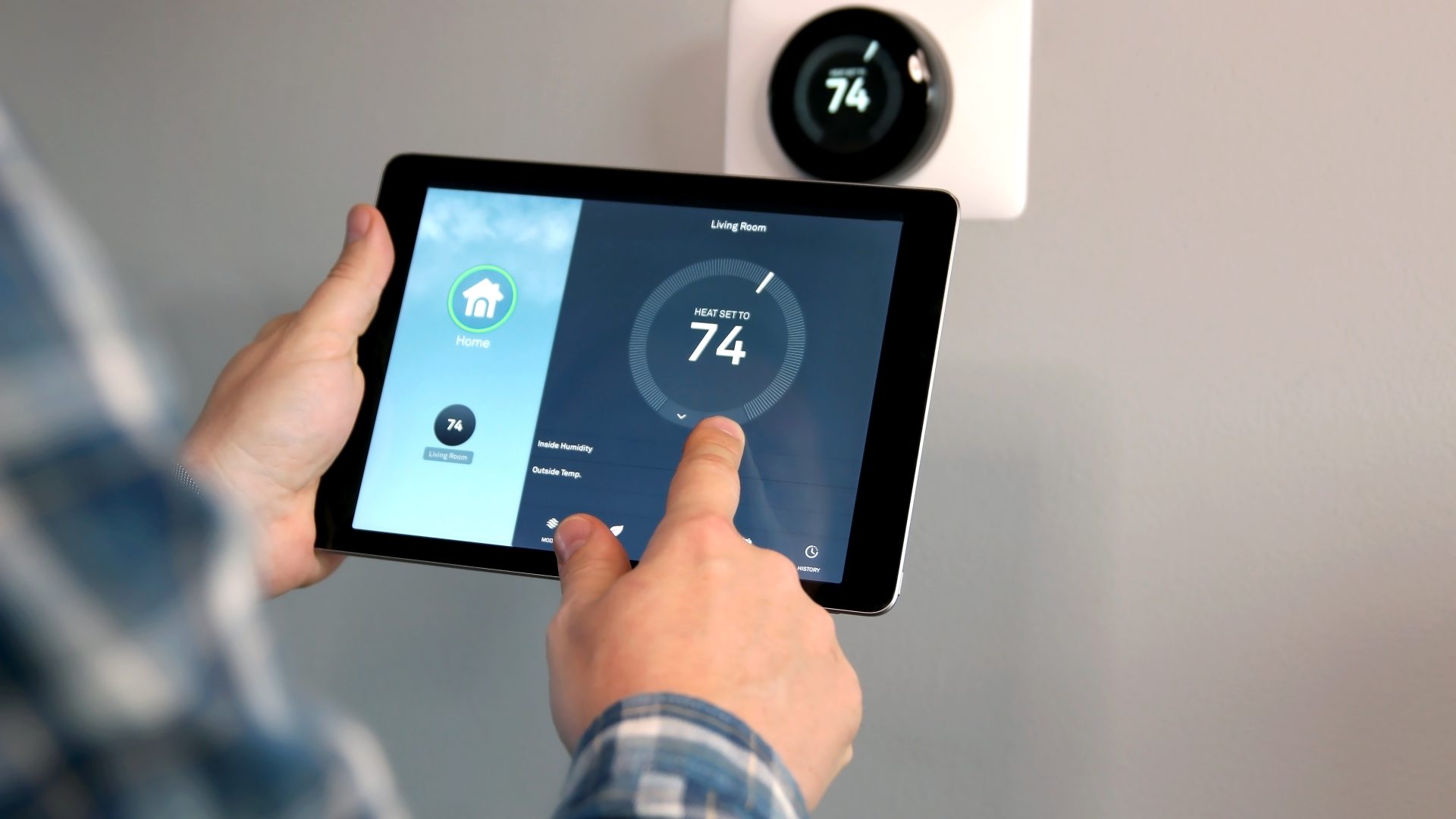
The thermostat is often one of the first components checked. The technician will verify that it is working properly, set correctly, and communicating with your HVAC system. They may also check the thermostat’s location to ensure it is not affected by direct sunlight, drafts, or nearby heat sources.
If necessary, they may recommend recalibration or upgrading to a programmable or smart thermostat for better temperature control.
System Performance Evaluation
After checking the thermostat, the contractor will evaluate the overall performance of your HVAC system. This includes turning the system on and observing how it operates. They will listen for unusual noises, measure airflow, and monitor how quickly your system responds.
During this stage, the technician is looking for signs of:
- Weak airflow
- Short cycling
- Delayed startup
- Inconsistent cooling or heating
- Unusual vibrations
These observations provide valuable clues about potential problems.
Inspection of Indoor Components
The technician will typically inspect indoor components such as the air handler, furnace, or evaporator coil. They may remove access panels to examine internal parts and check for wear or damage. Air filters are also inspected to determine if they need replacement.
Key items reviewed indoors include:
- Air filter condition
- Blower motor operation
- Evaporator coil cleanliness
- Electrical connections
- Drain line and condensate pan
This thorough inspection helps ensure your system is operating safely and efficiently.
Outdoor Unit Examination
If your system includes an outdoor condenser, the technician will inspect it as well. They will check for debris around the unit, examine coils, and evaluate the condition of major components. Proper airflow around the outdoor unit is essential for effective cooling.
During the outdoor inspection, they may review:
- Condenser coil condition
- Fan motor operation
- Refrigerant lines
- Electrical components
- Unit leveling and stability
Keeping the outdoor unit in good condition helps improve performance and extend system life.
Airflow and Ductwork Check
Airflow plays a major role in comfort and efficiency. The technician may inspect visible ductwork and check vents throughout your home. They may also measure airflow to determine if it is balanced.
Common ductwork issues include:
- Leaks or loose connections
- Blocked or closed vents
- Poor insulation
- Restricted airflow
- Uneven air distribution
Identifying these issues early can prevent future problems.
Explanation of Findings
Once the inspection is complete, the contractor will explain what they found. A reputable technician will clearly describe any issues and provide recommendations. They should answer your questions and outline possible solutions without pressure.
You can expect:
- A summary of system condition
- Identification of any repairs needed
- Maintenance recommendations
- Efficiency improvement suggestions
- Estimated costs for services
This transparency helps you make informed decisions.
Service or Repair (If Approved)
If minor repairs or maintenance are needed and you approve the work, the technician may complete them during the same visit. This could include replacing filters, cleaning components, tightening connections, or clearing drain lines.
For more complex repairs, they may schedule a follow-up appointment and provide a detailed estimate.
Maintenance Tips and Next Steps
Before leaving, the contractor may offer helpful tips to keep your system running smoothly. These suggestions might include changing filters regularly, keeping vents clear, and scheduling routine maintenance.
They may also recommend a maintenance schedule to prevent future breakdowns and improve efficiency.
Conclusion
Your first visit from an HVAC contractor is designed to assess your system, identify issues, and provide professional recommendations. From the initial discussion to the final explanation, each step focuses on improving comfort and system performance. Understanding what to expect helps you feel confident during the visit and ensures you get the most value from the service. Regular professional inspections and timely repairs can extend the life of your HVAC system and keep your home comfortable year-round.
Texas Air Authorities is the premier choice for HVAC services in Arlington. With a team of highly trained and certified technicians, we have the expertise to handle all of your heating, ventilation, and air conditioning needs. Our commitment to customer satisfaction is unmatched, and we always go above and beyond to ensure that your experience with us is positive. We use only the highest quality parts and equipment to ensure that your HVAC system is running at peak performance. Plus, we offer competitive pricing and flexible scheduling to fit your needs. Choose Texas Air Authorities for all of your HVAC needs in Arlington.
