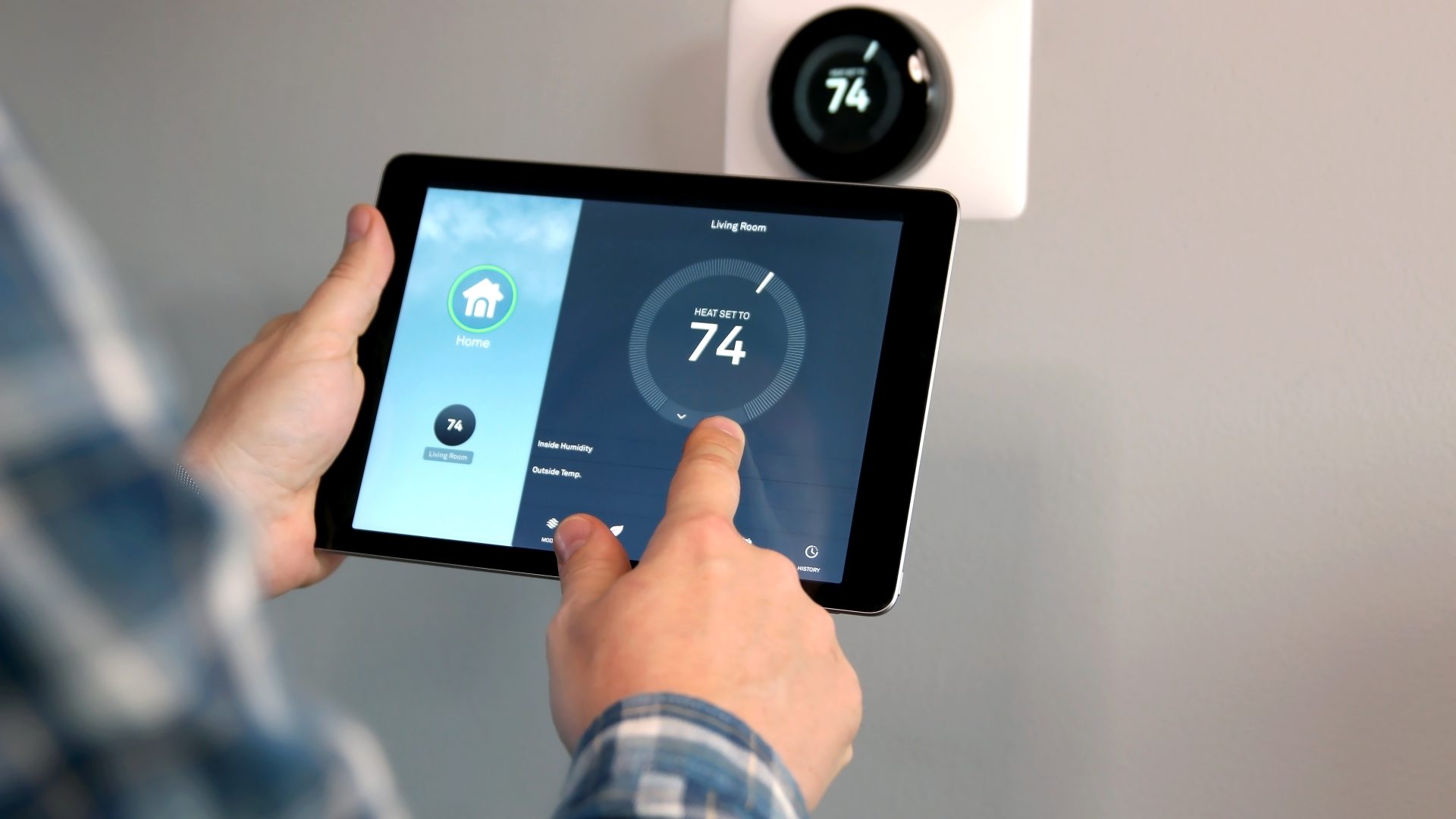

When homeowners think about indoor comfort, temperature is usually the first thing that comes to mind. However, true comfort involves much more than simply setting the thermostat to a specific number. Many homeowners experience discomfort even when their thermostat reads the desired temperature. This is because factors such as humidity, airflow, air quality, and system performance all play major roles in how comfortable a home feels. Professional HVAC contractors understand that diagnosing comfort problems requires looking beyond temperature alone.
Evaluating Airflow Throughout the Home
One of the first things HVAC contractors check when diagnosing comfort issues is airflow. Even if the air coming from the vents is cool, poor airflow can prevent that air from reaching all areas of the home effectively. Contractors inspect ductwork, vents, and blower performance to ensure proper circulation.
Airflow-related comfort problems often include:
- Hot or cold spots in certain rooms
- Weak air coming from vents
- Rooms that take longer to cool
- Inconsistent temperatures between floors
By measuring airflow and checking for blockages or leaks, contractors can determine whether the issue lies within the duct system or the equipment itself.
Checking Humidity Levels
Humidity plays a major role in indoor comfort, especially in regions with long cooling seasons. High humidity can make a home feel warmer than it actually is, while low humidity can cause dryness and discomfort. HVAC contractors use specialized tools to measure indoor humidity levels and determine if your system is properly removing moisture.
Humidity issues may cause:
- Sticky or muggy indoor air
- Condensation on windows
- Musty odors
- Increased discomfort despite cool temperatures
If humidity levels are too high, contractors may recommend adjustments to system settings, maintenance, or additional solutions to improve moisture control.
Inspecting Ductwork for Leaks and Design Issues
Ductwork is responsible for delivering conditioned air throughout the home. If ducts are leaking, poorly insulated, or improperly designed, comfort problems can occur even when the HVAC system is functioning correctly. Contractors often inspect ducts for gaps, disconnected sections, and airflow restrictions.
Common duct-related issues include:
- Air loss in attics or crawl spaces
- Uneven cooling between rooms
- Increased energy consumption
- Reduced overall system efficiency
Addressing ductwork problems can significantly improve comfort without replacing the entire system.
Analyzing System Cycling and Runtime
Another important factor contractors evaluate is how often the system turns on and off. Short cycling, where the system frequently starts and stops, can prevent proper cooling and humidity removal. On the other hand, a system that runs continuously may indicate an underlying issue.
Contractors look for:
- Short cycling caused by oversized equipment
- Long run times due to restricted airflow
- Thermostat placement issues
- Improper system calibration
These factors affect comfort levels even when the temperature appears correct.
Evaluating Thermostat Accuracy and Placement
Sometimes comfort issues stem from thermostat problems rather than the HVAC system itself. If a thermostat is placed near windows, kitchens, or direct sunlight, it may read inaccurate temperatures. Contractors verify thermostat calibration and location to ensure accurate readings.
Thermostat-related comfort problems include:
- Rooms feeling warmer than the displayed temperature
- System shutting off too early
- Uneven cooling throughout the home
- Frequent adjustments needed
Relocating or recalibrating the thermostat can often resolve these issues.
Assessing Indoor Air Quality
Indoor air quality is another important element of comfort. Dust, allergens, and pollutants can make a home feel uncomfortable even when temperatures are ideal. HVAC contractors may inspect filters, ventilation, and airflow to identify air quality concerns.
Air quality issues may lead to:
- Excess dust buildup
- Allergy symptoms indoors
- Stale or stuffy air
- Odors circulating through vents
Improving filtration and ventilation helps create a more comfortable environment.
Examining Insulation and Heat Gain
Comfort problems are not always caused by HVAC equipment. Poor insulation, attic heat, and air leaks can allow warm air to enter the home, making it harder to maintain consistent comfort. Contractors often consider these external factors when diagnosing issues.
They may check for:
- Insufficient attic insulation
- Air leaks around doors and windows
- Heat gain from sunlight exposure
- Poorly sealed duct connections
Addressing these factors helps the HVAC system perform more effectively.
Conclusion
Diagnosing comfort problems goes far beyond checking the thermostat. Professional HVAC contractors evaluate airflow, humidity, ductwork, system performance, thermostat accuracy, indoor air quality, and insulation to identify the root cause of discomfort. By taking a comprehensive approach, they can recommend solutions that improve overall comfort, not just temperature. Understanding these factors helps homeowners achieve a balanced indoor environment where every room feels comfortable and efficient year-round.
Texas Air Authorities is the premier choice for HVAC services in Arlington. With a team of highly trained and certified technicians, we have the expertise to handle all of your heating, ventilation, and air conditioning needs. Our commitment to customer satisfaction is unmatched, and we always go above and beyond to ensure that your experience with us is positive. We use only the highest quality parts and equipment to ensure that your HVAC system is running at peak performance. Plus, we offer competitive pricing and flexible scheduling to fit your needs. Choose Texas Air Authorities for all of your HVAC needs in Arlington.
