
A furnace breakdown in the middle of a freezing night is more than just inconvenient—it can quickly become a safety concern. With temperatures in the Dallas-Fort Worth Metroplex dropping during winter, a non-functioning furnace can leave your home uncomfortably cold and increase the risk of frozen pipes or other cold-related issues. Understanding the steps to take if your furnace stops working during a freeze can help you stay safe, warm, and minimize damage until professional help arrives.
1. Stay Calm and Assess the Situation
The first step is to remain calm. A furnace failure during cold weather is stressful, but panicking can lead to hasty decisions that may worsen the problem. Start by checking the basics:
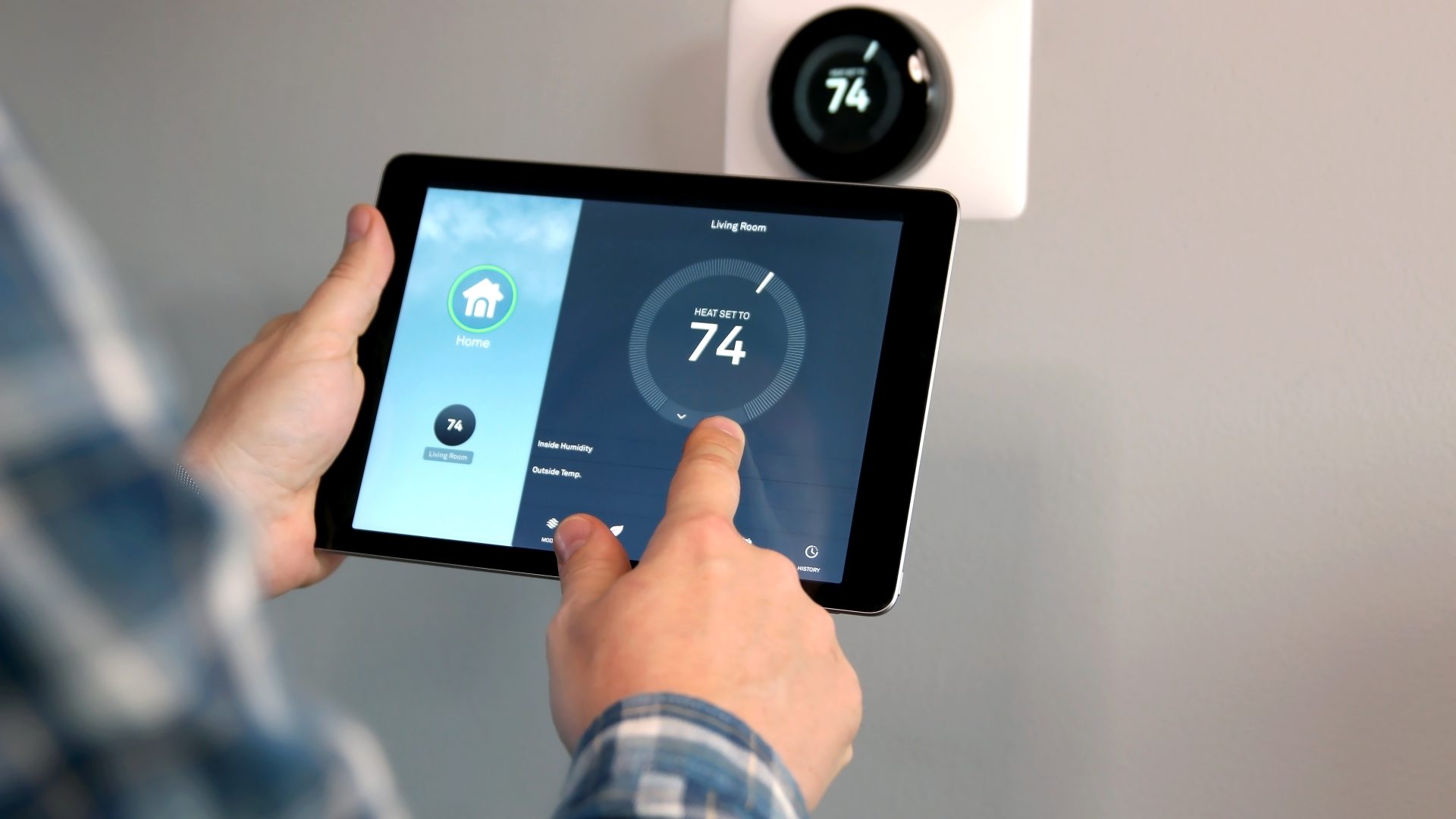
- Ensure the thermostat is set to “heat” and the temperature is higher than the current room temperature.
- Check if the furnace’s power switch is turned on; sometimes, a switch near the furnace can accidentally be turned off.
- Inspect the circuit breaker or fuse box to ensure a tripped breaker or blown fuse isn’t cutting power to your system.
If these simple steps don’t restore your furnace, it’s time to move on to more detailed troubleshooting.
2. Check the Furnace Filter and Airflow
A clogged air filter or blocked vents can prevent your furnace from operating properly. Reduced airflow can trigger safety mechanisms that shut the system down, especially during a freeze when the furnace is working harder.
Take the following steps:
- Locate and inspect the air filter. If it is dirty or clogged, replace it immediately.
- Ensure all supply vents and return air vents are open and free of obstructions like furniture or drapes.
- Verify that the blower fan is running. If the blower isn’t moving air, this may indicate a mechanical or electrical problem that requires professional attention.
Maintaining clear airflow helps your furnace operate efficiently and prevents unnecessary shutdowns.
3. Examine the Pilot Light or Ignition System
Gas furnaces rely on a pilot light or electronic ignition to start the burner. If your furnace is not producing heat, the issue may be with the ignition system:
- For older furnaces with a standing pilot light, check to see if the flame is lit. If it’s out, follow the manufacturer’s instructions to safely relight it.
- For modern furnaces with electronic ignition, ensure the system is getting power and that no error codes are displayed on the control panel.
Never attempt repairs beyond what is outlined in the manufacturer’s manual. If you suspect a gas leak or smell gas, evacuate immediately and call emergency services.
4. Use Temporary Heating Safely
While waiting for professional help, consider safe alternatives to stay warm:
- Use space heaters in occupied rooms, ensuring they are kept away from flammable materials.
- Dress in warm layers and use blankets to retain body heat.
- Close doors to unused rooms to concentrate heat in living areas.
- Avoid using ovens or stovetops as a primary heat source due to fire and carbon monoxide risks.
5. Call a Professional HVAC Contractor Immediately
A furnace failure during freezing temperatures often requires the expertise of a licensed HVAC contractor. NATE-certified professionals, like those at Texas Air Authorities, can quickly diagnose the problem, whether it’s a mechanical failure, electrical issue, or ignition problem, and provide safe and efficient repairs.
When calling for service, provide the technician with:
- Symptoms of the furnace issue
- Any troubleshooting steps already performed
- Model and age of your furnace
- Any error codes or unusual noises noticed
This information allows the contractor to prepare and respond more effectively.
6. Prevent Future Failures
Once your furnace is repaired, preventive maintenance is key to avoiding future breakdowns during a freeze. Professional maintenance can include:
- Cleaning or replacing air filters regularly
- Inspecting and cleaning burners and ignition components
- Checking ductwork and airflow for obstructions
- Testing the thermostat and system controls
- Ensuring proper venting and exhaust safety
Scheduling annual maintenance before winter ensures your furnace is ready for freezing temperatures.
Conclusion
A furnace breakdown during a freeze can be stressful, but following these steps helps protect your home and family. Start by checking basic settings, airflow, and ignition, then use temporary heating safely while contacting a professional HVAC contractor. Regular maintenance and professional service from experienced technicians, like those at Texas Air Authorities, can prevent unexpected failures and keep your home warm, safe, and comfortable throughout the cold season.
Texas Air Authorities is the premier choice for HVAC services in Arlington. With a team of highly trained and certified technicians, we have the expertise to handle all of your heating, ventilation, and air conditioning needs. Our commitment to customer satisfaction is unmatched, and we always go above and beyond to ensure that your experience with us is positive. We use only the highest quality parts and equipment to ensure that your HVAC system is running at peak performance. Plus, we offer competitive pricing and flexible scheduling to fit your needs. Choose Texas Air Authorities for all of your HVAC needs in Arlington.
