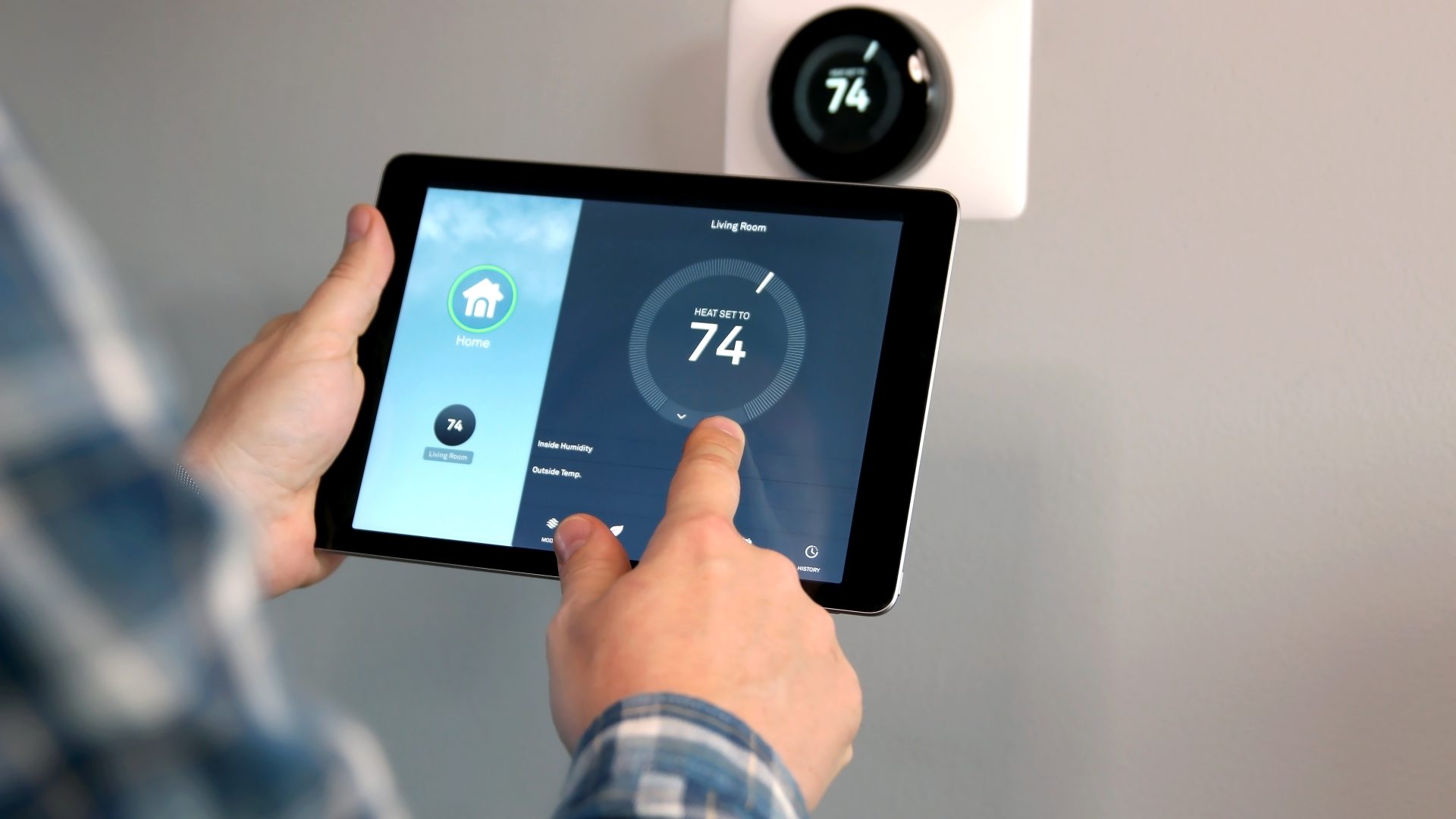

Living in North Texas comes with unique challenges for homeowners, especially when it comes to heating and cooling. While many people associate Texas with scorching summers, the state also experiences significant temperature swings during the fall, winter, and spring. These fluctuations can have a surprising impact on furnace performance, affecting both efficiency and reliability. Understanding how temperature swings affect your furnace can help you avoid unexpected breakdowns and maintain a comfortable home.
The Challenge of Rapid Temperature Changes
North Texas is known for its unpredictable weather. One day may feel like spring, while the next brings a sudden cold snap. Furnaces are designed to handle steady, gradual changes in temperature, but rapid swings put extra stress on components such as the heat exchanger, burners, and blower motor. This stress can cause:
- Uneven heating
- Short cycling, where the furnace turns on and off frequently
- Increased wear on mechanical and electrical components
When your furnace works harder to respond to fluctuating outdoor temperatures, energy consumption rises, leading to higher utility bills and potential early wear on parts.
Short Cycling and Its Consequences
Short cycling occurs when a furnace shuts off before completing a full heating cycle, often triggered by rapid temperature swings. While it may seem minor, short cycling can have serious consequences:
- Reduced comfort due to uneven heat distribution
- Increased energy usage, as the furnace repeatedly starts and stops
- Accelerated component wear, particularly on the blower motor and ignition system
Short cycling is often a sign that your furnace is struggling to keep up with sudden temperature changes, and it should prompt a professional inspection before more serious damage occurs.
Impact on Fuel Efficiency
Furnaces operate most efficiently when running at a steady pace. Frequent temperature swings force the system to start and stop repeatedly, which consumes more fuel than continuous operation. Dirty burners, clogged filters, or a worn thermostat can exacerbate this problem, making your furnace less efficient and increasing your monthly energy bills. Regular maintenance ensures that your system responds efficiently to temperature changes, reducing fuel waste and preventing costly repairs.
Stress on the Heat Exchanger
The heat exchanger is one of the most critical and expensive components of a furnace. Rapid temperature swings cause it to expand and contract repeatedly. Over time, this stress can lead to cracks or leaks, which may result in carbon monoxide exposure—a serious safety hazard. Professional furnace inspections help identify early signs of heat exchanger stress before they develop into dangerous or costly problems.
Humidity and Indoor Comfort
North Texas temperature swings often coincide with changes in humidity levels. Dry winter air and sudden shifts in humidity can affect furnace performance, leading to less effective heating and discomfort inside your home. Furnaces that are not properly maintained may struggle to regulate airflow, causing rooms to feel colder than the thermostat setting indicates. Ensuring that your furnace is clean, well-calibrated, and operating efficiently helps maintain consistent indoor comfort.
Preventing Furnace Problems During Temperature Swings
The key to protecting your furnace from the effects of temperature swings is proactive maintenance. A licensed HVAC contractor can:
- Inspect and clean burners to ensure efficient combustion
- Check the heat exchanger for early signs of stress or cracks
- Replace dirty filters and clean ducts for proper airflow
- Calibrate the thermostat to respond accurately to changing temperatures
- Test system safety controls and overall efficiency
Scheduling regular maintenance, ideally before the cold season, ensures that your furnace is prepared for rapid temperature changes and can perform safely and efficiently.
Conclusion
Texas temperature swings can put a significant strain on your furnace, impacting efficiency, comfort, and even safety. From short cycling to heat exchanger stress, the effects of rapid fluctuations should not be underestimated. By investing in regular maintenance and professional inspections, homeowners in North Texas can ensure their furnaces operate reliably, maintain consistent indoor comfort, and avoid costly repairs. Protecting your furnace from the challenges of Texas weather is an investment in both safety and long-term savings, keeping your home warm no matter how unpredictable the season becomes.
Texas Air Authorities is the premier choice for HVAC services in Arlington. With a team of highly trained and certified technicians, we have the expertise to handle all of your heating, ventilation, and air conditioning needs. Our commitment to customer satisfaction is unmatched, and we always go above and beyond to ensure that your experience with us is positive. We use only the highest quality parts and equipment to ensure that your HVAC system is running at peak performance. Plus, we offer competitive pricing and flexible scheduling to fit your needs. Choose Texas Air Authorities for all of your HVAC needs in Arlington.
