
When homeowners think about air conditioning problems, they often assume the equipment itself is to blame. However, many long-term AC repair issues actually begin with poor installation. Even a high-quality system can underperform if it is not installed correctly. Improper installation can reduce efficiency, increase energy bills, and lead to repeated breakdowns that continue for years. Understanding how installation mistakes affect performance can help you avoid costly repairs and unnecessary frustration.
Incorrect System Sizing
One of the most common installation mistakes is choosing the wrong size air conditioning system. If the unit is too small, it will run constantly trying to cool your home, which leads to excessive wear and tear. If the unit is too large, it will short cycle, turning on and off frequently without properly removing humidity.
Improper sizing can cause several ongoing problems:
- Increased energy consumption
- Uneven cooling throughout the home
- Frequent breakdowns from overuse
- Reduced system lifespan
- Poor humidity control
A properly sized system should be determined using professional load calculations, not guesswork.
Improper Refrigerant Charge
The refrigerant must be carefully measured during installation. Too much or too little refrigerant can significantly impact system performance. Incorrect refrigerant levels often cause:
- Frozen evaporator coils
- Poor cooling performance
- Compressor strain
- Higher utility bills
- Premature system failure
When refrigerant levels are not properly set at installation, the system may struggle from day one and require repeated service calls.
Poor Ductwork Connections
Even if your AC unit is installed correctly, poorly connected ductwork can create long-term issues. Leaks at connection points allow conditioned air to escape before reaching your living spaces. This forces the system to run longer and work harder.
Common duct-related installation problems include:
- Loose connections
- Improper sealing
- Crushed or kinked ducts
- Poor insulation
- Incorrect duct sizing
These issues often go unnoticed but can lead to years of inefficient cooling and frequent repairs.
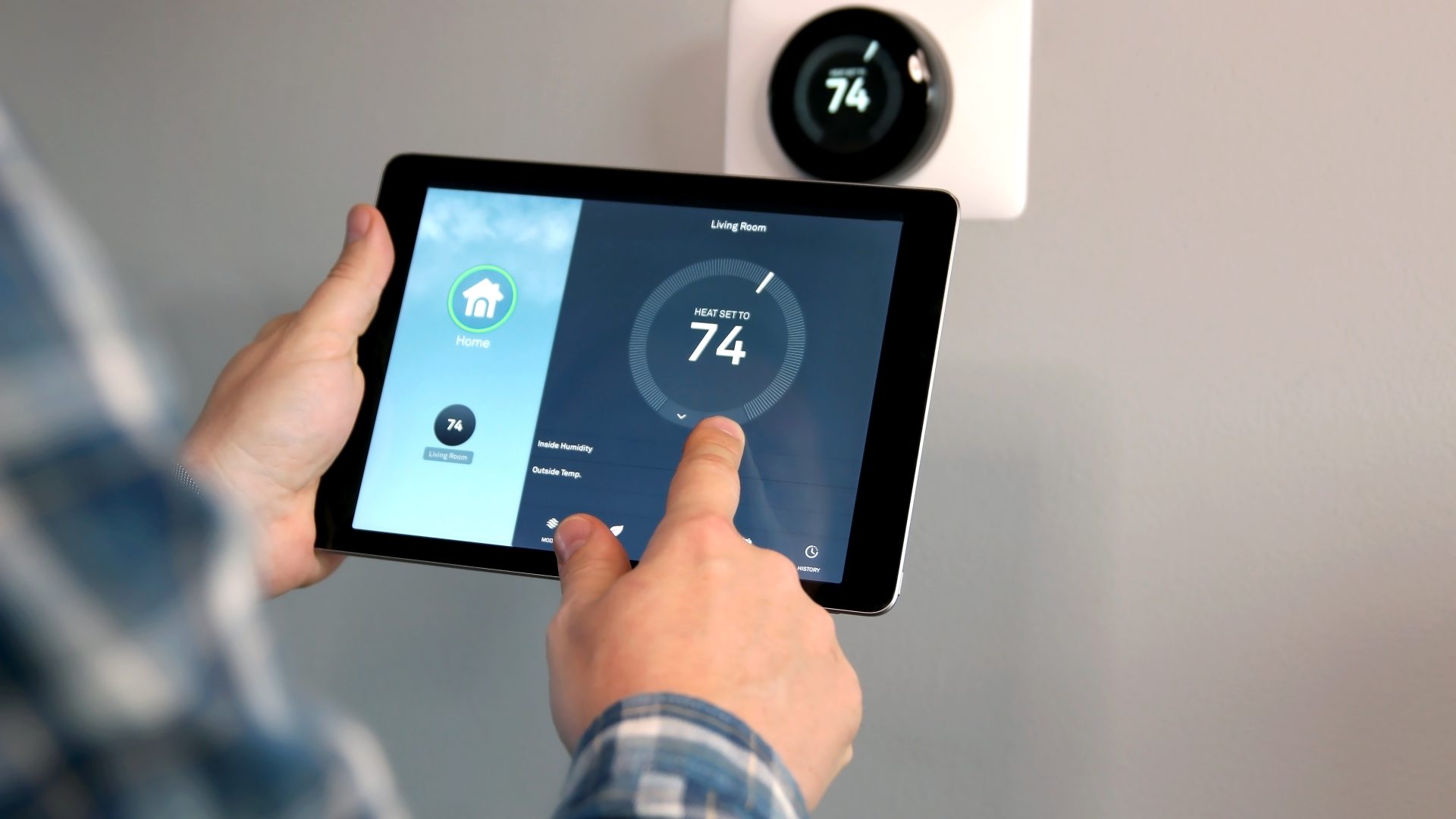
Incorrect Thermostat Placement
Thermostat location plays a critical role in system operation. If installed in direct sunlight, near vents, or close to heat-producing appliances, it may read temperatures inaccurately. This causes the air conditioner to run too long or shut off too early.
Poor thermostat placement can result in:
- Inconsistent indoor temperatures
- Increased wear on components
- Higher energy bills
- Comfort issues throughout the home
- Frequent cycling
Proper placement ensures accurate temperature readings and balanced cooling.
Improper Drainage Setup
Your air conditioner produces condensation that must be drained away safely. If the drain line is not installed correctly, it can clog easily or allow water to accumulate. Over time, this can lead to water damage, mold growth, and system shutdowns.
Drainage issues caused by poor installation may include:
- Water leaks around the indoor unit
- Mold or mildew buildup
- Rust and corrosion
- Clogged drain lines
- Emergency system shutdowns
These problems often appear months or years after installation but stem from improper setup.
Loose Electrical Connections
Electrical wiring errors during installation can cause intermittent system failures. Loose connections may lead to short cycling, system shutdowns, or even damage to major components. Over time, these small electrical issues can escalate into expensive repairs.
Symptoms of electrical installation problems include:
- System not turning on consistently
- Flickering or tripped breakers
- Burning smells
- Clicking sounds during startup
- Compressor failure
Ensuring all electrical connections are properly secured during installation helps prevent these long-term risks.
Improper Airflow Setup
Airflow must be balanced during installation for optimal performance. If airflow is restricted or improperly configured, the system will struggle to distribute cool air evenly. This creates hot spots and forces the AC to run longer.
Poor airflow setup may cause:
- Weak air from vents
- Uneven room temperatures
- Frozen coils
- Increased system strain
- Reduced efficiency
Balancing airflow at installation prevents these issues from developing over time.
Conclusion
Poor installation can affect your air conditioning system for years, leading to repeated repairs, higher energy costs, and reduced comfort. Problems such as incorrect sizing, improper refrigerant levels, duct leaks, and faulty electrical connections often originate during the initial setup. Choosing experienced professionals for installation ensures your system operates efficiently from the start. Proper installation not only improves performance but also extends the lifespan of your equipment and helps you avoid ongoing repair issues.
Texas Air Authorities is the premier choice for HVAC services in Arlington. With a team of highly trained and certified technicians, we have the expertise to handle all of your heating, ventilation, and air conditioning needs. Our commitment to customer satisfaction is unmatched, and we always go above and beyond to ensure that your experience with us is positive. We use only the highest quality parts and equipment to ensure that your HVAC system is running at peak performance. Plus, we offer competitive pricing and flexible scheduling to fit your needs. Choose Texas Air Authorities for all of your HVAC needs in Arlington.
