
An air conditioning breakdown rarely happens without a reason. While it may seem sudden from the outside, there are usually several internal processes that occur before your system stops working completely. Understanding what happens inside your AC during a breakdown can help homeowners recognize early warning signs, prevent costly damage, and know when to call for professional service. Air conditioning systems are made up of multiple components that must work together seamlessly, and when one part fails, it can create a chain reaction affecting the entire unit.
The Compressor Begins to Struggle
The compressor is often considered the heart of your air conditioning system. It circulates refrigerant between the indoor and outdoor units, allowing heat to be removed from your home. During a breakdown, the compressor may begin to overheat due to restricted airflow, low refrigerant levels, or electrical problems.
When the compressor struggles, you may notice:
- Warm air blowing from vents.
- Loud buzzing or humming noises.
- The outdoor unit turning on and off frequently.
- Increased energy consumption.
If the compressor continues to operate under stress, it can eventually fail completely, which is one of the most expensive repairs in an HVAC system.
Refrigerant Levels Drop or Become Imbalanced
Refrigerant is responsible for absorbing heat from inside your home and releasing it outdoors. During an AC breakdown, refrigerant may leak from worn connections or damaged coils. When refrigerant levels drop, the system cannot effectively cool the air.
Inside the system, low refrigerant causes:
- Reduced pressure in the evaporator coil.
- Ice buildup on coils.
- Poor heat absorption.
- Increased strain on the compressor.
Frozen coils may temporarily stop airflow altogether, making it seem like the AC has shut down. Even if the ice melts later, the underlying problem still needs professional repair.
Airflow Becomes Restricted
Airflow problems are another common cause of AC breakdowns. Dirty filters, blocked ducts, or debris in the outdoor unit can reduce airflow. When airflow is restricted, the evaporator coil becomes too cold, which can lead to freezing and eventual shutdown.
Internally, restricted airflow results in:
- Uneven temperature distribution.
- Frozen evaporator coils.
- Longer run times.
- Overheating of internal components.
Over time, these conditions put excessive pressure on multiple parts, increasing the likelihood of complete system failure.
Electrical Components Start Failing
Your AC system relies on various electrical components such as capacitors, relays, contactors, and wiring. During a breakdown, one or more of these components may fail due to wear, overheating, or power surges. When electrical parts malfunction, the system may stop communicating properly.
Common electrical issues include:
- Capacitors failing to start the motor.
- Contactors sticking in the open or closed position.
- Loose wiring causing intermittent operation.
- Circuit breakers tripping repeatedly.
These problems can cause the system to shut down entirely or operate inconsistently.
The Fan Motors Stop Working Properly
Your AC system includes both indoor and outdoor fan motors. These motors help move air across coils and distribute cooled air throughout your home. During a breakdown, fan motors may slow down, overheat, or stop completely.
When fan motors fail, you may experience:
- Weak airflow from vents.
- Overheating condenser unit.
- Unusual grinding or squealing noises.
- System shutting down to prevent damage.
Without proper airflow from the fans, heat cannot be removed efficiently, leading to further internal stress.
Sensors and Thermostat Communication Issues
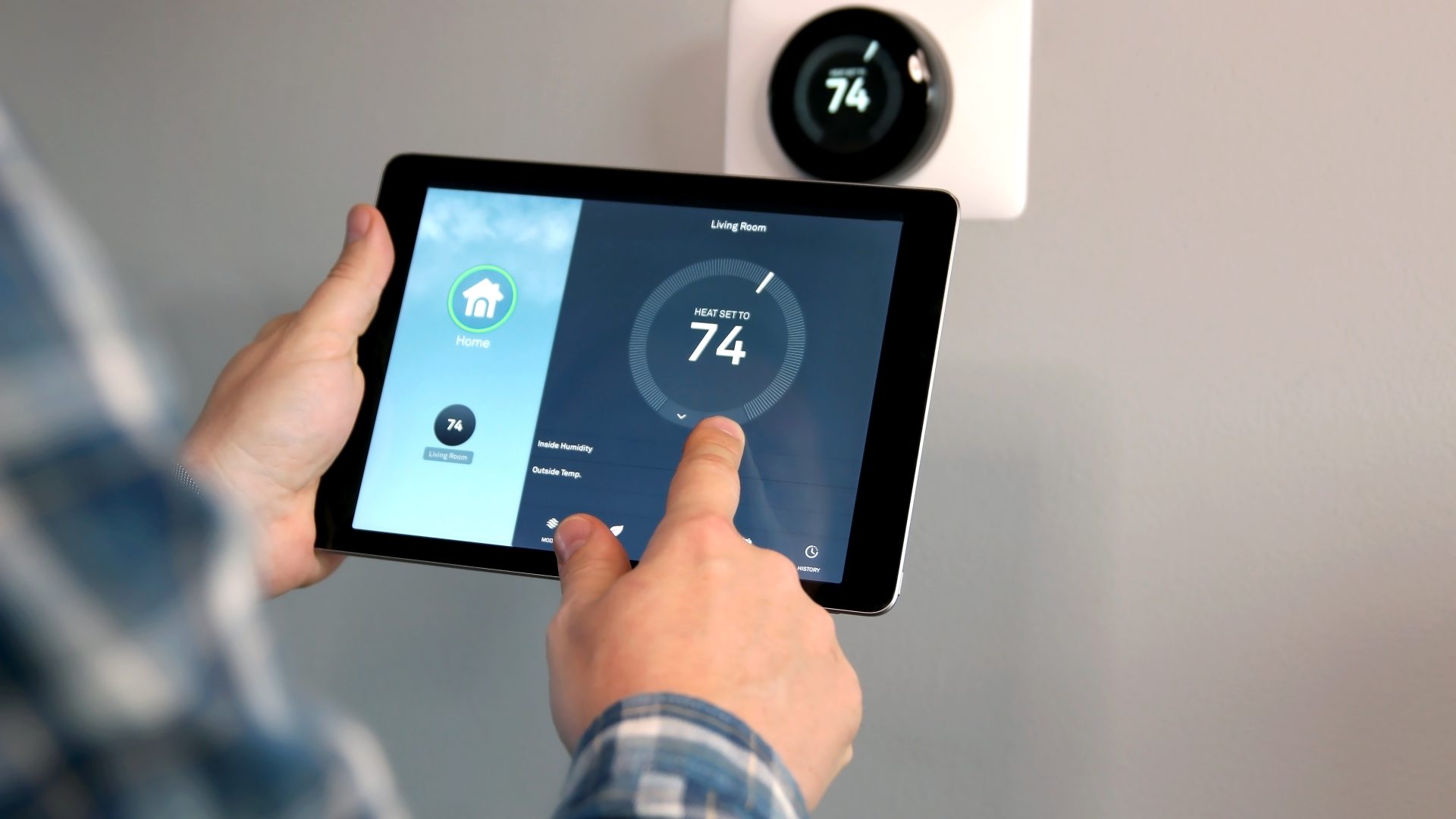
Modern AC systems rely on sensors and thermostats to maintain consistent temperatures. During a breakdown, faulty sensors may send incorrect signals to the system. This can cause short cycling, continuous operation, or failure to turn on.
Inside the system, this leads to:
- Improper cooling cycles.
- Increased wear on components.
- Temperature inconsistencies.
- Unexpected shutdowns.
Even a small sensor issue can disrupt the entire cooling process.
Why Immediate Repairs Are Important
When one part of your AC begins to fail, it often affects other components. A clogged filter can lead to frozen coils, which then strains the compressor. Electrical problems can damage motors, and low refrigerant can cause overheating. Addressing these issues early prevents minor problems from turning into major repairs.
Conclusion
An AC breakdown is usually the result of several internal issues working together. Compressor strain, refrigerant imbalances, restricted airflow, electrical failures, fan motor problems, and sensor malfunctions all contribute to system shutdowns. Understanding what happens inside your air conditioning system during a breakdown can help you recognize warning signs and act quickly. Regular maintenance and prompt repairs can keep your system running efficiently, reduce unexpected failures, and ensure your home stays comfortable even during the hottest days.
Texas Air Authorities is the premier choice for HVAC services in Arlington. With a team of highly trained and certified technicians, we have the expertise to handle all of your heating, ventilation, and air conditioning needs. Our commitment to customer satisfaction is unmatched, and we always go above and beyond to ensure that your experience with us is positive. We use only the highest quality parts and equipment to ensure that your HVAC system is running at peak performance. Plus, we offer competitive pricing and flexible scheduling to fit your needs. Choose Texas Air Authorities for all of your HVAC needs in Arlington.
