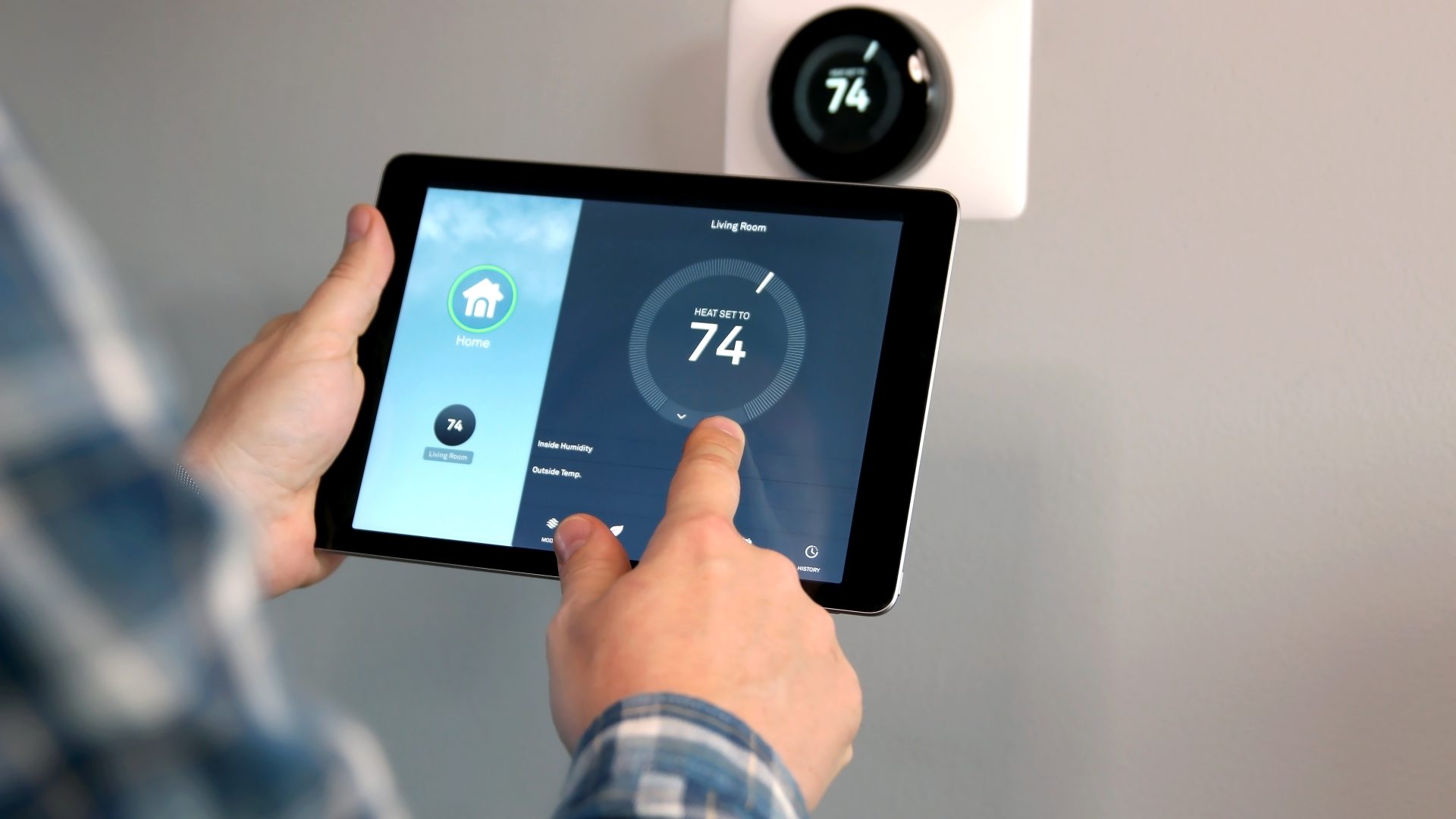

Your HVAC system is designed to maintain a consistent and comfortable temperature in your home. When it runs efficiently, it cycles on and off at normal intervals to keep your space at the set temperature. However, if your system is turning on and off more frequently than usual—a condition known as short cycling—it may indicate an underlying problem. Short cycling can reduce your system’s efficiency, increase energy bills, and even shorten the lifespan of your HVAC equipment. Understanding the causes and solutions for short cycling is essential for keeping your home comfortable and your system running smoothly.
1. What Is Short Cycling?
Short cycling occurs when your HVAC system shuts off before completing a full heating or cooling cycle, only to turn back on shortly afterward. Instead of running for 15–20 minutes (or longer, depending on the system and outdoor temperature), the system may run for just a few minutes. This irregular pattern can cause several issues, including:
- Uneven temperature control in your home.
- Increased energy consumption.
- Excessive wear and tear on system components.
- Higher risk of system breakdowns.
2. Common Causes of Short Cycling
Several factors can cause an HVAC system to short cycle. Identifying the root cause is critical for determining the right solution.
- Dirty or Clogged Air Filters: Air filters play a crucial role in maintaining proper airflow. If your filter becomes clogged with dust and debris, the system may overheat or struggle to distribute air, causing it to shut down prematurely.
- Thermostat Issues: A malfunctioning or poorly placed thermostat can give inaccurate readings, causing the HVAC system to turn on and off incorrectly. Thermostats placed near heat sources, windows, or direct sunlight can trigger frequent cycling.
- Oversized HVAC Unit: If your air conditioner or furnace is too large for your home, it may reach the desired temperature too quickly, causing the system to turn off before completing a full cycle. While it may seem efficient, an oversized unit can lead to short cycling, poor humidity control, and increased wear on components.
- Low Refrigerant Levels: For air conditioners, low refrigerant can prevent the system from cooling properly. The unit may shut down to prevent damage, only to restart shortly afterward. Low refrigerant often indicates a leak that requires professional attention.
- Mechanical or Electrical Problems: Failing components such as the compressor, fan motor, or control board can cause irregular cycling. Electrical issues, including loose connections or shorted wires, may also trigger short cycling.
3. How to Fix Short Cycling
Addressing short cycling typically requires professional inspection and repair, but homeowners can take some preventive steps:
- Replace or Clean Air Filters Regularly: A clean filter ensures proper airflow and reduces the risk of overheating. Filters should be checked monthly during peak seasons and replaced at least every three months.
- Check Thermostat Placement and Settings: Ensure your thermostat is located away from direct sunlight, drafts, and heat-producing appliances. Upgrading to a programmable or smart thermostat can improve efficiency and prevent short cycling.
- Schedule Professional HVAC Inspection: A licensed technician can assess refrigerant levels, check for mechanical issues, and ensure your system is appropriately sized for your home. Regular maintenance can detect problems early and extend the life of your HVAC system.
- Repair or Replace Faulty Components: If the issue stems from failing parts or low refrigerant, professional repair is necessary. Attempting to fix electrical or refrigerant issues without proper training can be dangerous.
Conclusion
Short cycling is more than just an inconvenience—it can lead to higher energy bills, uncomfortable temperatures, and costly repairs if left unaddressed. By understanding the common causes and taking proactive steps, you can protect your HVAC system and maintain consistent home comfort.
At Texas Air Authorities, our NATE-certified technicians are trained to diagnose and repair all types of HVAC issues, including short cycling. We offer same-day appointments, free estimates, and a 1-year warranty on all new equipment, ensuring your system operates efficiently and reliably. If your HVAC system is turning on and off too frequently, don’t wait—contact us today to keep your home comfortable and your equipment in top condition.
Texas Air Authorities is the premier choice for HVAC services in Arlington. With a team of highly trained and certified technicians, we have the expertise to handle all of your heating, ventilation, and air conditioning needs. Our commitment to customer satisfaction is unmatched, and we always go above and beyond to ensure that your experience with us is positive. We use only the highest quality parts and equipment to ensure that your HVAC system is running at peak performance. Plus, we offer competitive pricing and flexible scheduling to fit your needs. Choose Texas Air Authorities for all of your HVAC needs in Arlington.
