
Seasonal transitions—those periods in the Dallas–Fort Worth Metroplex when the weather swings from hot to cool or vice versa—can put a lot of stress on your HVAC system. Homeowners often notice that their heating and cooling units seem less effective during these times, struggling to maintain a comfortable indoor temperature. Understanding why this happens and how to prevent issues can save you from unexpected repair bills and keep your home comfortable year-round.
Why HVAC Systems Struggle During Seasonal Changes
1.Temperature Fluctuations
During transitional seasons, outdoor temperatures can vary widely from morning to night. Your thermostat may call for cooling in the afternoon and heating in the evening. HVAC systems that are not properly maintained or optimized can struggle to respond to these rapid swings, leading to uneven indoor temperatures and frequent cycling on and off.
2.Increased Demand on System Components
When your HVAC system constantly switches between heating and cooling, all components—including the compressor, blower, and heat exchanger—experience extra wear and tear. Even minor inefficiencies, such as a dirty filter or low refrigerant levels, can become more noticeable, causing reduced performance and higher energy bills.
3.Poorly Calibrated Thermostats
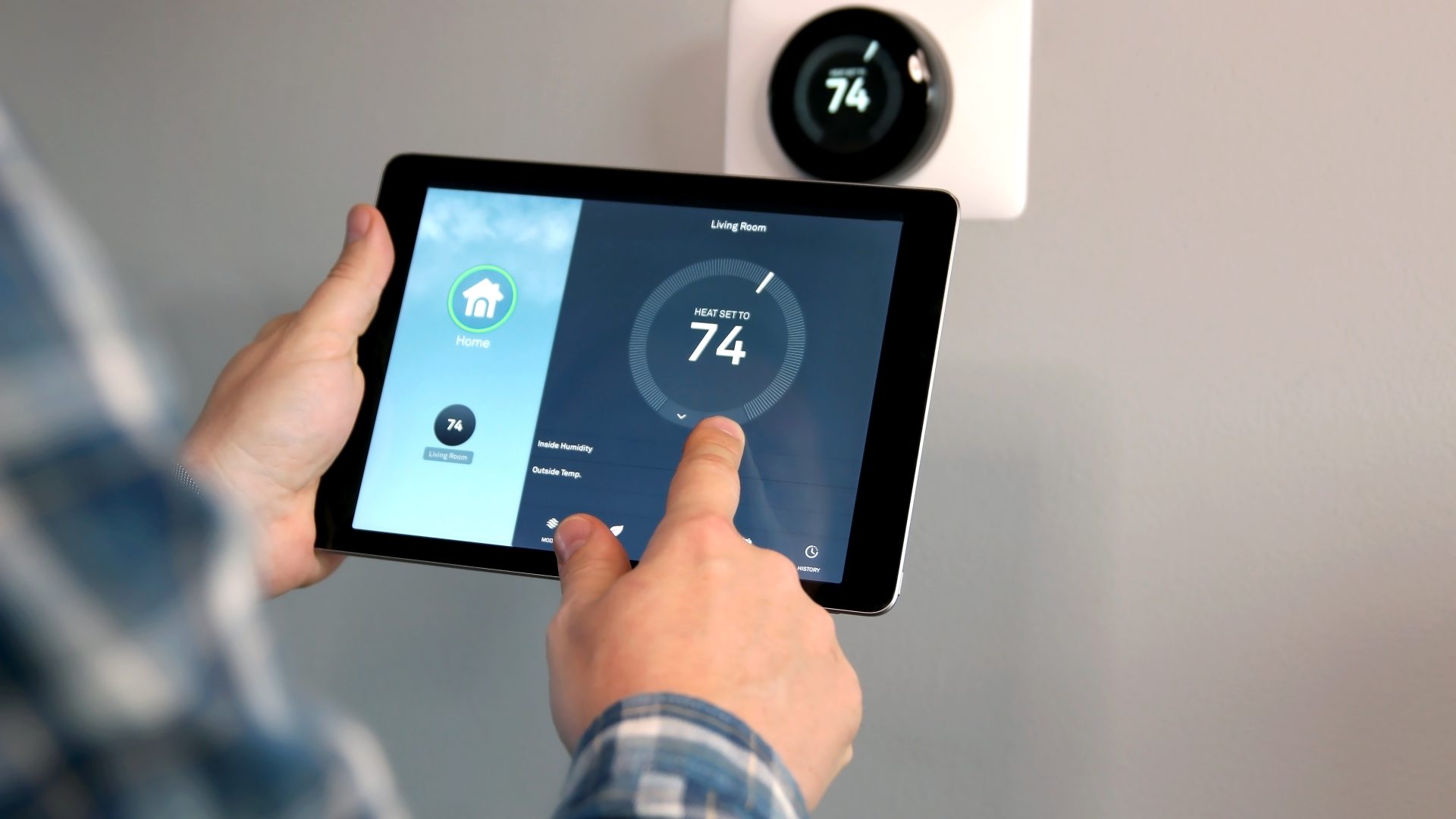
Smart or programmable thermostats can sometimes misread temperature fluctuations during seasonal transitions. A thermostat that isn’t calibrated correctly may cause your system to run longer than necessary, short cycle, or fail to activate at the right times, further stressing your HVAC equipment.
4.Ductwork and Airflow Issues
Transitional seasons often reveal underlying airflow problems. Leaky ducts, clogged vents, or improperly sized ductwork can prevent your system from distributing air evenly, making it difficult to achieve consistent comfort throughout your home. These issues are particularly noticeable when the system is switching between heating and cooling modes.
5.Humidity Challenges
Spring and fall bring fluctuating humidity levels. High humidity makes your home feel warmer, while low humidity can make it feel colder. Traditional HVAC systems may struggle to maintain the right balance, resulting in discomfort even when the thermostat shows your desired temperature. Modern systems with dehumidification or humidity control features can help alleviate this problem, but older systems may fall short.
How to Prevent HVAC Struggles During Transitions
1.Schedule Seasonal Maintenance
Routine maintenance before the start of spring and fall can ensure your system is ready for rapid temperature changes. At Texas Air Authorities, our NATE-certified technicians inspect all critical components, clean filters, and check refrigerant levels to optimize system performance.
2.Inspect and Seal Ductwork
Ensuring that your ductwork is properly sealed and free of obstructions improves airflow and reduces strain on your system. Properly balanced ducts help maintain consistent temperatures throughout your home, regardless of outside conditions.
3.Upgrade Your Thermostat
A programmable or smart thermostat can adapt to fluctuating temperatures and prevent your system from overworking. Proper installation and calibration are key to maximizing efficiency and comfort.
4.Monitor Indoor Humidity
Using a hygrometer to track indoor humidity levels can help you understand when your HVAC system needs additional support. Whole-home humidifiers or dehumidifiers can complement your system and keep indoor conditions comfortable year-round.
5.Address Minor Issues Promptly
Small problems like a clogged filter, unusual noises, or uneven airflow may seem insignificant but can cause major strain during seasonal transitions. Addressing these issues early prevents larger, costlier repairs later.
Conclusion
Seasonal transitions can be challenging for any HVAC system, but understanding the reasons behind these struggles allows homeowners to take proactive steps. Temperature swings, increased system demand, thermostat calibration, airflow issues, and humidity fluctuations all contribute to reduced efficiency during these periods. Regular maintenance, duct inspection, proper thermostat use, and attention to humidity levels can keep your system running smoothly.
At Texas Air Authorities, we specialize in helping Dallas–Fort Worth homeowners optimize their HVAC systems for year-round comfort. Our same-day appointments, free estimates, and NATE-certified technicians ensure your system performs at its best, even during the tricky seasonal transitions. Protect your home, save on energy costs, and enjoy consistent comfort by trusting professionals who prioritize your needs.
Texas Air Authorities is the premier choice for HVAC services in Arlington. With a team of highly trained and certified technicians, we have the expertise to handle all of your heating, ventilation, and air conditioning needs. Our commitment to customer satisfaction is unmatched, and we always go above and beyond to ensure that your experience with us is positive. We use only the highest quality parts and equipment to ensure that your HVAC system is running at peak performance. Plus, we offer competitive pricing and flexible scheduling to fit your needs. Choose Texas Air Authorities for all of your HVAC needs in Arlington.
