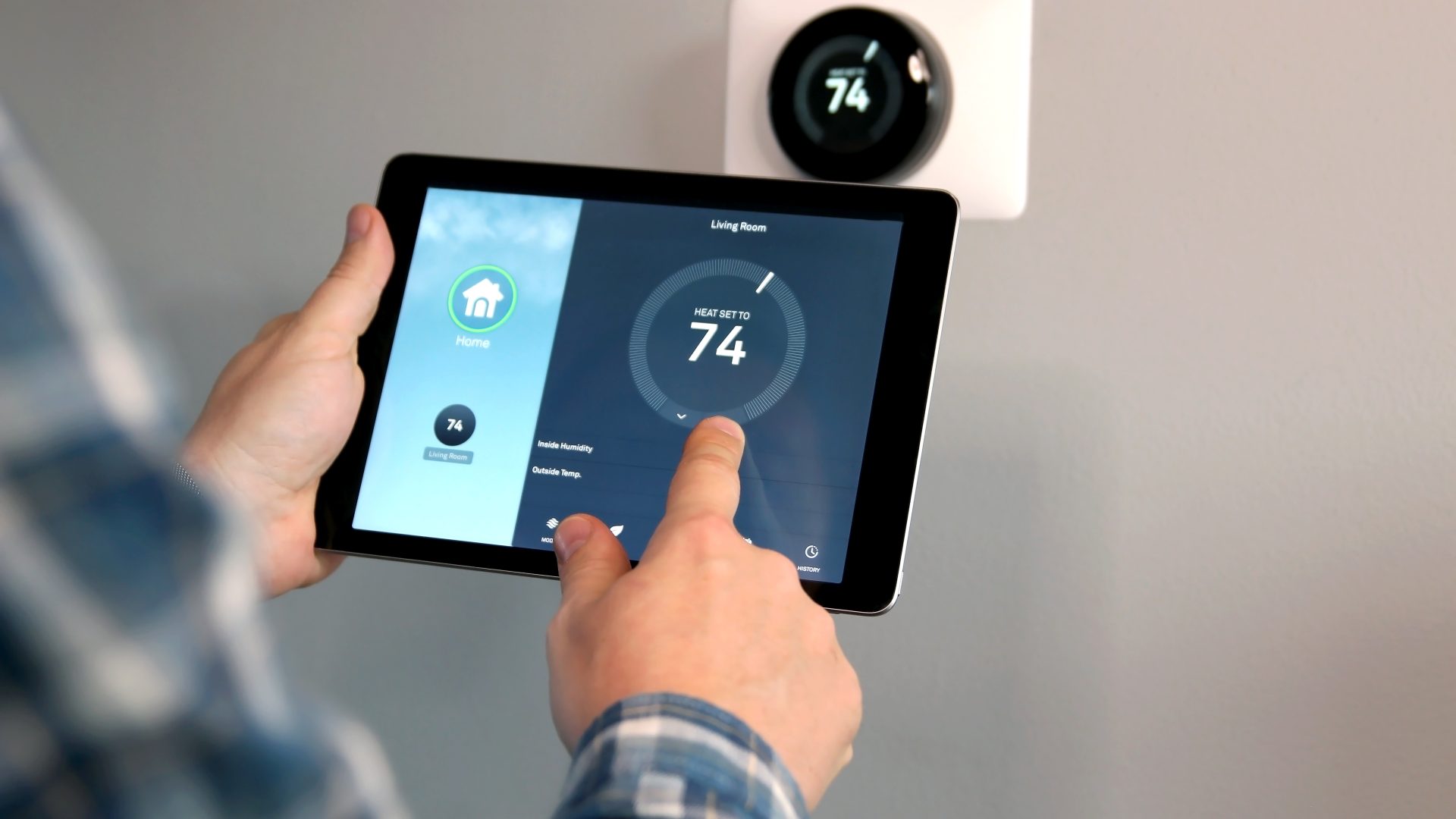

Your HVAC system is designed to keep your home comfortable by maintaining the temperature you select on your thermostat. Once your home reaches the desired temperature, you generally expect the system to reduce its operation or shut off until more heating or cooling is needed. However, if your HVAC system keeps running after reaching the set temperature, it may indicate an issue with your thermostat, airflow, system controls, or equipment performance.
In some situations, continuous operation is normal, especially with variable-speed systems designed to run at lower speeds for longer periods. In other cases, the system may be working harder than necessary, increasing energy consumption and putting additional strain on its components. Understanding the possible causes can help you determine when a simple adjustment is enough and when professional HVAC service is needed.
How Your Thermostat Controls Your HVAC System
Your thermostat monitors the indoor temperature and communicates with your heating or cooling equipment. When the temperature moves away from your selected setting, the thermostat signals the system to begin operating. Once the desired temperature is reached, it typically signals the equipment to stop or reduce its output.
If your HVAC system continues running, the thermostat may not be communicating correctly, or another part of the system may be preventing it from shutting down as expected.
Incorrect Thermostat Settings
Sometimes, the reason your HVAC system keeps running is as simple as an incorrect thermostat setting. If the fan is set to “ON” instead of “AUTO,” the indoor blower may continue running even after the heating or cooling cycle ends.
With the fan set to “AUTO,” the blower generally operates when the system calls for heating or cooling. With the fan set to “ON,” it can continue circulating air throughout your home.
Check your thermostat settings to confirm that the fan is set to “AUTO” if you want it to stop between cycles. Keep in mind that some systems are designed to run the fan for a short period after a heating or cooling cycle to distribute conditioned air.
Thermostat Placement or Calibration Problems
A thermostat must accurately measure the temperature inside your home to control your HVAC system effectively. If it is installed near a sunny window, heat-producing appliance, drafty doorway, or another source of unusual temperatures, it may receive inaccurate readings.
A thermostat that is out of calibration can also misread the indoor temperature. As a result, it may continue requesting heating or cooling even when your living space has already reached the desired temperature.
If adjusting the settings does not resolve the issue, an HVAC technician can inspect the thermostat, verify its accuracy, and determine whether it needs recalibration, relocation, or replacement.
Airflow Problems Can Keep Your HVAC System Running
Your HVAC system needs adequate airflow to distribute conditioned air throughout your home. When airflow is restricted, the equipment may struggle to reach the thermostat’s target temperature, causing longer operating cycles.
A Dirty Air Filter
A clogged air filter is one of the most common causes of HVAC performance problems. Dust, pet hair, and other debris can accumulate on the filter, restricting the amount of air that moves through the system.
Restricted airflow can reduce cooling or heating performance and cause the system to run longer than necessary. In some cases, it can also contribute to frozen evaporator coils in an air conditioner or overheating in a furnace.
Check your air filter regularly and replace it according to the manufacturer’s recommendations. A clean filter helps support proper airflow, improve efficiency, and maintain indoor comfort.
Blocked or Leaking Ductwork
Your ductwork carries conditioned air from your HVAC equipment to the rooms throughout your home. If ducts are blocked, disconnected, poorly sealed, or leaking, some rooms may not receive enough heated or cooled air.
This can make your system run longer as it attempts to bring the indoor temperature to the thermostat setting. Leaks can also waste conditioned air in attics, crawl spaces, or other areas outside your living space.
An HVAC professional can inspect your ductwork, identify airflow restrictions, and recommend appropriate repairs or sealing to improve system performance.
HVAC Equipment Problems That Cause Long Run Times
If your thermostat settings and airflow appear normal, the issue may be related to the heating or cooling equipment itself.
Low Refrigerant or Air Conditioner Performance Issues
If your air conditioner runs continuously but struggles to cool your home, low refrigerant caused by a leak may be one possible explanation. Refrigerant helps transfer heat from inside your home to the outdoors. When the system does not have the correct refrigerant charge, its cooling performance can suffer.
Other potential causes include dirty evaporator or condenser coils, a malfunctioning compressor, or problems with the outdoor fan. Any of these issues can prevent the air conditioner from removing heat effectively.
Refrigerant problems require professional diagnosis and repair. Simply adding refrigerant without finding and addressing a leak may not resolve the underlying issue.
Furnace or Heating System Problems
During colder weather, a furnace may run longer if it cannot produce or distribute enough heat to satisfy the thermostat. Dirty components, restricted airflow, burner problems, or other mechanical issues can reduce heating performance.
Some high-efficiency furnaces and modern HVAC systems are designed to operate for longer periods at lower output levels. However, if your furnace runs continuously without maintaining a comfortable indoor temperature, it is worth having the equipment inspected.
Stuck Relays or Faulty Control Components
HVAC systems rely on electrical controls, relays, circuit boards, and other components to start and stop equipment at the appropriate times. If a relay sticks or a control component malfunctions, the system may continue operating when it should shut down.
For example, an indoor blower may keep running after the cooling cycle ends, or the outdoor unit may continue operating unexpectedly. These issues require professional troubleshooting because electrical components can be hazardous to inspect without the proper training.
When Is Continuous HVAC Operation Normal?
Not every long operating cycle indicates a problem. During extremely hot Texas summers or cold winter weather, your HVAC system may need to run for extended periods to maintain the temperature inside your home.
Variable-speed air conditioners and heat pumps are also designed to adjust their output based on demand. Rather than repeatedly turning on and off, they may operate at lower speeds for longer periods to provide consistent comfort and improve efficiency.
However, if your system never stops, your energy bills suddenly increase, or your home remains uncomfortable despite continuous operation, further investigation is recommended.
What You Can Do Before Calling an HVAC Technician
A few basic checks may help you identify the cause of the problem before scheduling professional service.
- Check the thermostat: Verify the temperature setting, operating mode, and fan setting. If the fan is set to “ON,” try switching it to “AUTO.”
- Inspect the air filter: Replace a dirty or clogged filter with the correct type and size for your system.
- Clear supply and return vents: Make sure furniture, curtains, and other objects are not blocking airflow.
- Check the outdoor unit: Remove loose leaves and debris from the surrounding area, keeping the manufacturer’s recommended clearance. Do not open electrical panels or attempt internal repairs.
- Monitor system performance: Pay attention to unusual noises, weak airflow, uneven temperatures, or a sudden increase in utility bills.
If the system continues running unexpectedly after these checks, contact a qualified HVAC technician. Avoid repeatedly switching equipment on and off to force it to stop, as this may worsen certain problems.
Get Reliable HVAC Service from Texas Air Authorities
When your HVAC system keeps running after reaching the set temperature, identifying the underlying cause can help restore comfort and prevent unnecessary energy use. Whether the issue involves your thermostat, air filter, ductwork, refrigerant, or electrical controls, a professional inspection can help determine the appropriate solution.
At Texas Air Authorities, we provide dependable heating and cooling services throughout the Dallas Fort Worth Metroplex. We have proudly served Tarrant County since 1999, helping homeowners maintain comfortable and efficient indoor environments. Our NATE-certified technicians work with all makes and models and can assist with air conditioner repairs, furnace service, thermostat problems, ductwork, and routine HVAC maintenance.
We understand the importance of prompt, professional service. That is why we offer same-day appointments, free estimates, free same-day quotes, and a one-year warranty on all new equipment. Our locally owned company treats every customer like family, explains the available options, and respects your home throughout the service process.
We proudly serve Arlington, Bedford, Colleyville, Dalworthington Gardens, Euless, Fort Worth, Grand Prairie, Grapevine, Hurst, Irving, Kennedale, Mansfield, North Richland Hills, Pantego, and Watauga.
Conclusion
An HVAC system that continues running after reaching the set temperature may have a simple thermostat setting issue, restricted airflow, leaking ductwork, faulty equipment, or a problem with its control components. Although longer run times can be normal during extreme weather or with certain high-efficiency systems, continuous operation combined with poor comfort or rising energy bills should not be ignored.
Start by checking your thermostat settings, replacing a dirty air filter, and ensuring that vents are unobstructed. If the problem persists, professional HVAC service can help identify the cause and restore reliable performance. Texas Air Authorities is committed to providing quality heating and cooling solutions to homeowners throughout the Dallas Fort Worth Metroplex, helping you enjoy dependable comfort in every season.
Texas Air Authorities is the premier choice for HVAC services in Arlington. With a team of highly trained and certified technicians, we have the expertise to handle all of your heating, ventilation, and air conditioning needs. Our commitment to customer satisfaction is unmatched, and we always go above and beyond to ensure that your experience with us is positive. We use only the highest quality parts and equipment to ensure that your HVAC system is running at peak performance. Plus, we offer competitive pricing and flexible scheduling to fit your needs. Choose Texas Air Authorities for all of your HVAC needs in Arlington.
