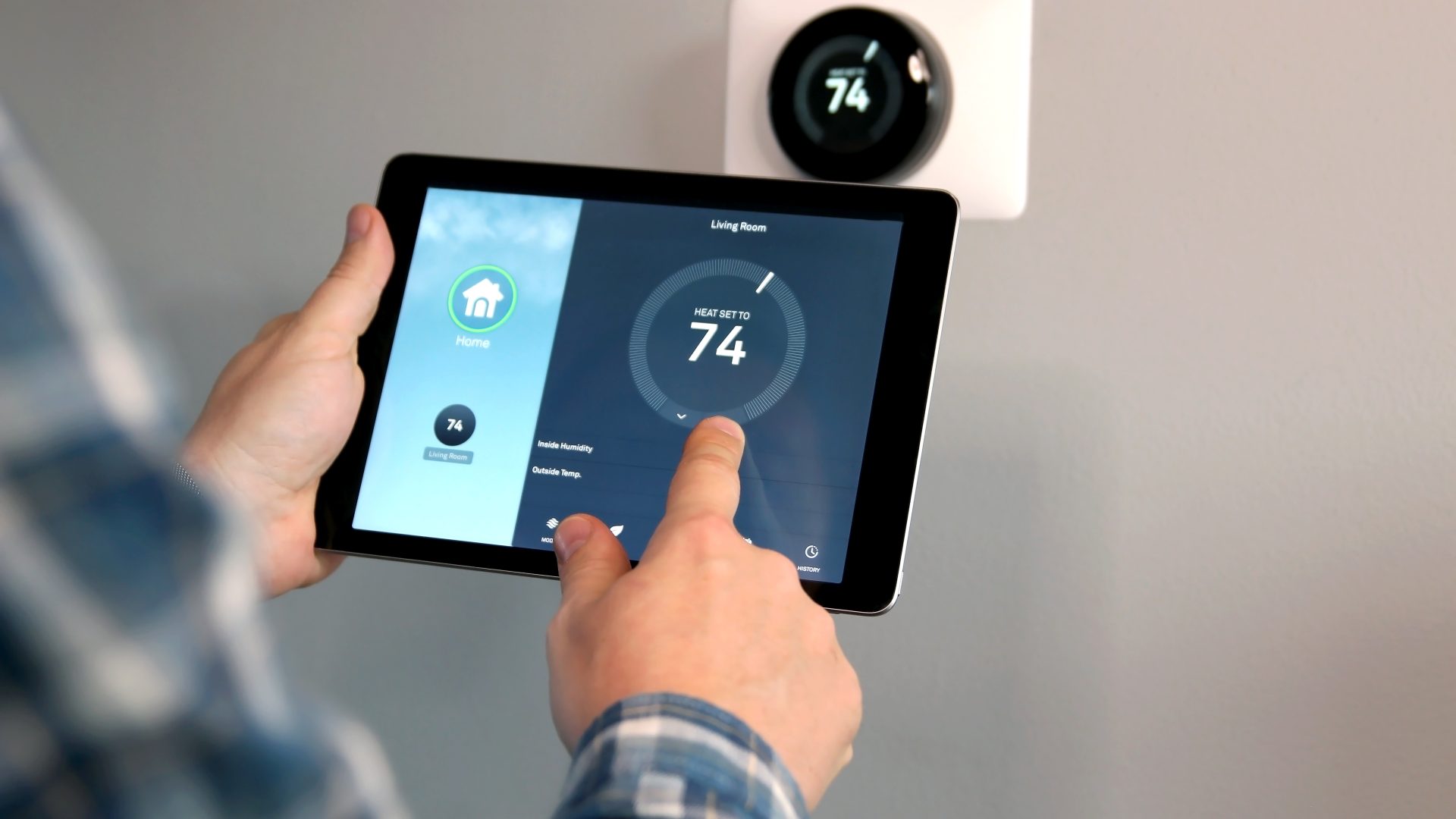

Your thermostat is the control center for your home’s heating and cooling system. When you adjust the temperature, you expect your HVAC system to respond by turning on, turning off, or changing its operation. If your HVAC system is not responding to thermostat commands, the problem can be frustrating and may leave your home too hot or too cold.
Several issues can prevent communication between a thermostat and an HVAC system. Some are simple problems that homeowners can check themselves, while others require professional HVAC service. Understanding the possible causes can help you determine what to do next.
Check the Thermostat Settings
Confirm the Operating Mode
One of the first things to check is whether the thermostat is set to the correct operating mode. If you want cooling, make sure the thermostat is set to “Cool.” For heating, select “Heat.”
Also check the temperature setting. If the desired temperature is not sufficiently different from the current indoor temperature, the system may not have a reason to turn on.
For example, if your thermostat is set to 75 degrees while the indoor temperature is already 74 degrees, the air conditioner may remain off because the desired temperature has already been reached.
Check the Fan Setting
The fan setting can also affect what you observe. A thermostat may be set to “Auto,” which generally means the blower operates when the system is actively heating or cooling. A “On” setting may cause the fan to operate continuously.
If the thermostat display appears normal but the system is not responding as expected, checking these settings is a useful first step.
Replace or Check the Batteries
Some thermostats operate using batteries. When the batteries become weak or depleted, the thermostat may stop communicating properly with the HVAC equipment.
A blank or dim display can be an indication of a power problem. If your thermostat uses replaceable batteries, installing fresh batteries may restore normal operation.
If replacing the batteries does not solve the issue, there may be another electrical or equipment-related problem that requires professional attention.
Inspect the Circuit Breaker
Your HVAC system requires electrical power to operate. A tripped circuit breaker can prevent the equipment from responding even if the thermostat itself appears to be working normally.
Check your electrical panel for a breaker associated with the HVAC system. If you find a tripped breaker, follow safe operating procedures when resetting it.
If the breaker trips again shortly afterward, do not repeatedly reset it. Repeated tripping can indicate an underlying electrical or equipment problem that should be evaluated by a qualified HVAC professional.
Look for a Dirty Air Filter
A dirty air filter can restrict airflow and contribute to HVAC performance problems. In some situations, restricted airflow can cause the system to operate abnormally or activate safety controls.
Check the condition of your HVAC filter and replace it if it is dirty or clogged. The appropriate replacement schedule depends on factors such as the type of filter, household conditions, pets, and system usage.
Regular filter replacement is a simple part of HVAC maintenance and can help support proper airflow.
Check for Thermostat Wiring Problems
If the thermostat display works but the HVAC system does not respond to commands, there could be an issue with the wiring connecting the thermostat to the equipment.
Loose, damaged, or disconnected wiring can interfere with communication between the thermostat and HVAC system. Because thermostat wiring is part of the system’s electrical controls, homeowners should avoid attempting complicated electrical repairs themselves.
An experienced HVAC technician can inspect the thermostat connections and determine whether wiring or control components are contributing to the problem.
Consider a Faulty Thermostat
Thermostats can eventually develop problems. A thermostat may have a damaged internal component, inaccurate temperature sensor, or other issue that prevents it from communicating correctly with the HVAC system.
If the thermostat is old or behaving inconsistently, a professional can test it and determine whether repair or replacement is appropriate.
A newer thermostat may also provide additional features, but compatibility with the existing HVAC equipment should be considered before replacing one.
Check the HVAC Equipment
Sometimes the thermostat is working correctly, but the HVAC system itself has a problem.
Issues involving the blower motor, electrical components, control board, capacitor, contactor, refrigerant system, ignition components, or other equipment can prevent the system from operating when the thermostat sends a command.
Because these components can require specialized testing and electrical knowledge, professional diagnosis is often the safest way to identify the underlying cause.
When to Call an HVAC Professional
If basic thermostat checks do not resolve the problem, professional service may be necessary. This is especially true if you notice unusual noises, burning odors, repeated breaker trips, water leaks, or complete loss of heating or cooling.
An HVAC technician can inspect the thermostat, wiring, electrical components, controls, and equipment to determine why the system is not responding.
Texas Air Authorities has NATE-certified technicians who service furnaces, air conditioners, ducts, thermostats, and HVAC equipment of all makes and models. The company offers same-day appointments and responds immediately to customer calls.
Why Choose Texas Air Authorities?
Texas Air Authorities has proudly served the Tarrant County area since 1999. The company provides comprehensive HVAC services, including repairs, maintenance, AC installation, furnace services, thermostat services, ductwork, mini-split systems, and air quality solutions.
Technicians are respectful, friendly, and knowledgeable. They explain the problem and available options so homeowners can better understand the recommended solution. Texas Air Authorities also offers free estimates, free same-day quotes, and a 1-year warranty on all new equipment.
The company serves Arlington, Bedford, Colleyville, Dalworthington Gardens, Euless, Fort Worth, Grand Prairie, Grapevine, Hurst, Irving, Kennedale, Mansfield, North Richland Hills, Pantego, and Watauga.
Conclusion
When an HVAC system does not respond to thermostat commands, the cause can range from simple settings or battery issues to electrical problems, wiring faults, a malfunctioning thermostat, or a problem with the HVAC equipment itself.
Checking the thermostat settings, batteries, air filter, and circuit breaker can be a useful starting point. If the system still does not respond, professional HVAC service can help identify the underlying problem and determine the appropriate repair.
With experienced NATE-certified technicians and comprehensive HVAC services, Texas Air Authorities is available to help homeowners throughout the Dallas Fort Worth Metroplex keep their heating and cooling systems operating properly.
Texas Air Authorities is the premier choice for HVAC services in Arlington. With a team of highly trained and certified technicians, we have the expertise to handle all of your heating, ventilation, and air conditioning needs. Our commitment to customer satisfaction is unmatched, and we always go above and beyond to ensure that your experience with us is positive. We use only the highest quality parts and equipment to ensure that your HVAC system is running at peak performance. Plus, we offer competitive pricing and flexible scheduling to fit your needs. Choose Texas Air Authorities for all of your HVAC needs in Arlington.
