
Thunderstorms are common in the Dallas-Fort Worth Metroplex, and they can bring heavy rain, strong winds, lightning, and sudden power fluctuations. While your air conditioner is designed to handle normal outdoor conditions, severe weather can sometimes interfere with its operation. If your AC stops working after a thunderstorm, the cause could be anything from a tripped circuit breaker to damaged electrical components.
A malfunctioning air conditioner can quickly make your home uncomfortable, especially during the hot Texas summer months. Understanding why your system may stop working after a storm can help you identify potential problems and determine when professional repairs are necessary. Texas Air Authorities provides dependable HVAC repair and maintenance services throughout the Dallas-Fort Worth area to help homeowners restore their comfort.
Common Reasons Your Air Conditioner Stops Working After a Thunderstorm
Thunderstorms can affect several parts of your air conditioning system. Identifying the possible cause can help you understand what steps to take before calling an HVAC technician.
Power Outages and Electrical Surges
Lightning and severe weather can disrupt the electrical supply to your home. Even if the power goes out for only a few seconds, your air conditioner may shut down and fail to restart automatically.
Electrical surges are another potential problem. A surge occurs when the voltage supplied to your equipment suddenly rises above normal levels. Lightning strikes and power grid disturbances can cause these fluctuations, potentially damaging sensitive electrical components.
Some parts of an AC system that may be affected include:
- Control boards: These components manage important system functions and can malfunction after an electrical surge.
- Capacitors: A surge may damage a capacitor that helps the compressor or fan motor start and operate.
- Thermostats: Electronic thermostats may lose power, reset, or sustain damage during electrical disturbances.
- Contactors and wiring: Electrical components and connections may be affected by a surge or an existing weakness in the system.
If your air conditioner does not turn on after a storm, check whether power has been restored throughout your home. Avoid repeatedly resetting breakers or attempting electrical repairs. If the system remains unresponsive, contact a qualified HVAC technician.
A Tripped Circuit Breaker
A circuit breaker protects your home’s electrical system by interrupting power when it detects an overload or certain electrical faults. After a thunderstorm, a breaker may trip because of a power disturbance or an electrical problem affecting the air conditioner.
If your AC suddenly stops running, check your electrical panel for a tripped breaker only if it is safe to do so. A breaker that has tripped repeatedly should never be ignored.
Consider these important precautions:
- Check whether other appliances or parts of your home have also lost power.
- Look for a clearly tripped breaker without touching exposed wiring or damaged electrical equipment.
- Do not repeatedly reset a breaker that trips again.
- Contact a qualified electrician or HVAC professional if the breaker will not stay on.
A tripped breaker may be a symptom of a deeper problem, such as a short circuit, damaged wiring, or a failing component. Identifying the underlying cause is essential before restoring normal operation.
Water Damage to Electrical Components
Heavy rain and flooding can expose outdoor air conditioning equipment to excessive moisture. Although outdoor condenser units are built to withstand ordinary weather, they are not designed to remain submerged in floodwater.
Water intrusion can affect electrical connections, damage components, and create potentially dangerous conditions. Poor drainage around the outdoor unit may increase the risk of water-related problems during severe storms.
After heavy rainfall, watch for signs that your system may have been affected:
- Water standing unusually high around the outdoor condenser.
- Visible damage to electrical disconnects, wiring, or nearby equipment.
- An air conditioner that trips a breaker or fails to start after the storm.
- Unusual buzzing, burning odors, or other abnormal operating symptoms.
Do not touch electrical equipment that is wet or standing in water. If flooding has reached the unit or its electrical components, keep away and arrange a professional inspection before attempting to restart the system.
Damage to the Outdoor Condenser Unit
Strong winds can blow branches, leaves, and other debris into the outdoor condenser. In severe cases, falling limbs or flying objects may damage the unit’s exterior panels, fan grille, or internal components.
Debris can also obstruct airflow through the condenser. Because the outdoor unit releases heat from your home, restricted airflow can reduce cooling performance and place additional strain on the system.
Once the storm has passed, visually inspect the area from a safe distance. Look for fallen branches, visible damage, or objects blocking the unit. Do not remove protective panels or reach inside the condenser.
If the fan appears damaged, the unit is making unusual noises, or the system is no longer cooling properly, turn it off and arrange an HVAC inspection. A technician can determine whether the equipment needs cleaning, component repairs, or more extensive service.
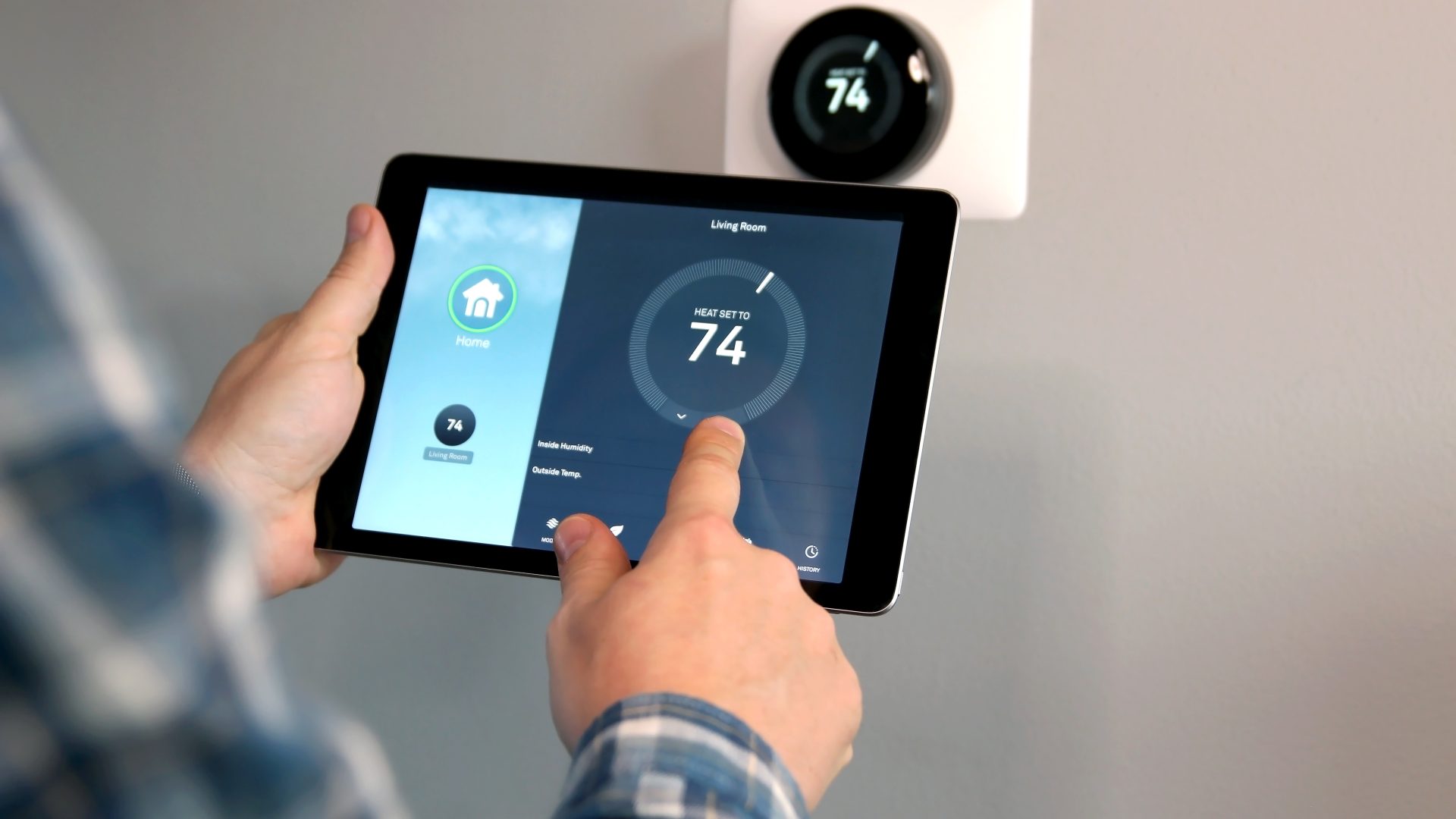
Thermostat or Control System Problems
Your thermostat tells the air conditioner when to turn on and off. If an electrical disturbance affects the thermostat or its power supply, the system may stop responding to temperature settings.
In some cases, a thermostat may simply need to be returned to the correct settings after a power interruption. Other situations involve damaged wiring, a malfunctioning control board, or a failed connection between the thermostat and the HVAC equipment.
You can perform a few basic checks:
- Make sure the thermostat display is on.
- Confirm that the system is set to cooling mode.
- Check that the temperature setting is lower than the current indoor temperature.
- Replace thermostat batteries if the model uses them and the batteries are depleted.
If these checks do not restore operation, avoid opening the thermostat or HVAC control compartments to investigate electrical connections. A professional can test the system and identify whether the thermostat or another component is responsible.
What to Do When Your AC Stops Working After a Storm
Taking the right steps after a thunderstorm can help protect your equipment and keep your household safe. Before attempting to restart your air conditioner, assess the situation carefully.
Follow These Troubleshooting Steps
- Check the power supply: Determine whether electricity has been restored to your home and whether other appliances are working.
- Inspect the thermostat: Verify that it is powered on and set to cooling mode.
- Check the air filter: If it is easily accessible, inspect it for excessive dirt that could restrict airflow. A dirty filter may contribute to cooling problems, although it is not necessarily related to the storm.
- Look for visible outdoor obstructions: From a safe distance, check for leaves, branches, or other debris around the condenser.
- Watch for warning signs: Stop using the system if you notice burning odors, smoke, damaged wiring, flooding, or repeated breaker trips.
- Schedule professional service: If the AC still does not operate normally, have a qualified HVAC technician inspect it before further use.
Never touch wet electrical components, open electrical panels, or attempt to repair storm-damaged wiring yourself. Safety should always come before restoring cooling.
How to Protect Your Air Conditioner From Thunderstorm Damage
Although you cannot prevent every weather-related problem, regular maintenance and appropriate protective measures can reduce the risk of damage.
Practical Ways to Protect Your HVAC System
- Schedule regular maintenance: Professional inspections can identify worn electrical components, loose connections, and other problems before severe weather occurs.
- Keep the outdoor unit clear: Remove loose debris from around the condenser and maintain proper clearance for airflow.
- Consider appropriate surge protection: A qualified electrician or HVAC professional can recommend compatible surge protection for your equipment and home’s electrical system.
- Maintain proper drainage: Ensure that rainwater drains away from the outdoor unit and that the equipment is installed according to manufacturer requirements.
- Secure nearby outdoor items: Store loose furniture, decorations, and other objects that could become airborne during strong winds.
- Address electrical problems promptly: If your breaker trips repeatedly or your system experiences unexplained shutdowns, arrange a professional inspection.
Surge protection can help reduce certain electrical risks, but it cannot guarantee protection against every lightning strike or severe power event. Proper installation, maintenance, and timely repairs remain important parts of protecting your system.
When to Call Texas Air Authorities for AC Repair
If your air conditioner stops working after a thunderstorm, professional diagnosis can help determine whether the problem involves the electrical supply, thermostat, condenser, compressor, or another component. Attempting to operate a damaged system may worsen the problem or create a safety hazard.
Texas Air Authorities has served the Tarrant County area since 1999, providing HVAC repair, maintenance, installation, and other services to homeowners throughout the Dallas-Fort Worth Metroplex. Our NATE-certified technicians work with all makes and models of equipment, including systems from trusted brands such as Lennox, Trane, and Goodman.
We understand how important a functioning air conditioner is during hot Texas weather. Our team offers same-day appointments, free estimates, and free same-day quotes. We explain the problem and available repair options so you can make an informed decision about your home’s cooling system.
Whether you live in Arlington, Bedford, Euless, Fort Worth, Grand Prairie, Grapevine, Mansfield, or a nearby community, Texas Air Authorities is committed to providing courteous service and dependable HVAC solutions. We treat our customers like family, respect their homes, and clean up after completing the work.
Conclusion
An air conditioner may stop working after a thunderstorm because of a power outage, electrical surge, tripped circuit breaker, water intrusion, damaged outdoor components, or a problem with the thermostat or control system. While some interruptions may be temporary, others require professional diagnosis and repair.
After a storm, check the thermostat and power supply only when it is safe, look for visible obstructions, and avoid touching wet or damaged electrical equipment. Never repeatedly reset a breaker that trips again, and do not operate equipment that may have been affected by flooding.
Regular HVAC maintenance and suitable surge protection can help reduce the risk of storm-related problems. If your air conditioner will not restart or shows signs of electrical or mechanical damage, contact Texas Air Authorities for professional assistance. Our experienced technicians are ready to help homeowners throughout the Dallas-Fort Worth Metroplex restore reliable cooling and indoor comfort.
Texas Air Authorities is the premier choice for HVAC services in Arlington. With a team of highly trained and certified technicians, we have the expertise to handle all of your heating, ventilation, and air conditioning needs. Our commitment to customer satisfaction is unmatched, and we always go above and beyond to ensure that your experience with us is positive. We use only the highest quality parts and equipment to ensure that your HVAC system is running at peak performance. Plus, we offer competitive pricing and flexible scheduling to fit your needs. Choose Texas Air Authorities for all of your HVAC needs in Arlington.
