
Understanding the Clicking Sound
When your air conditioner makes a clicking sound but does not actually start, the noise can be a sign that the system is receiving a signal to operate but something is preventing it from turning on. A single click may come from the thermostat or another control component, while repeated clicking can indicate an electrical or mechanical problem.
- The thermostat may be sending a cooling signal.
- The system may be attempting to start but failing.
- An electrical component may be malfunctioning.
- A safety control may be preventing the system from operating.
- A component may be worn out or unable to complete the startup process.
Because several problems can cause similar symptoms, professional diagnosis is often necessary.
Thermostat Problems
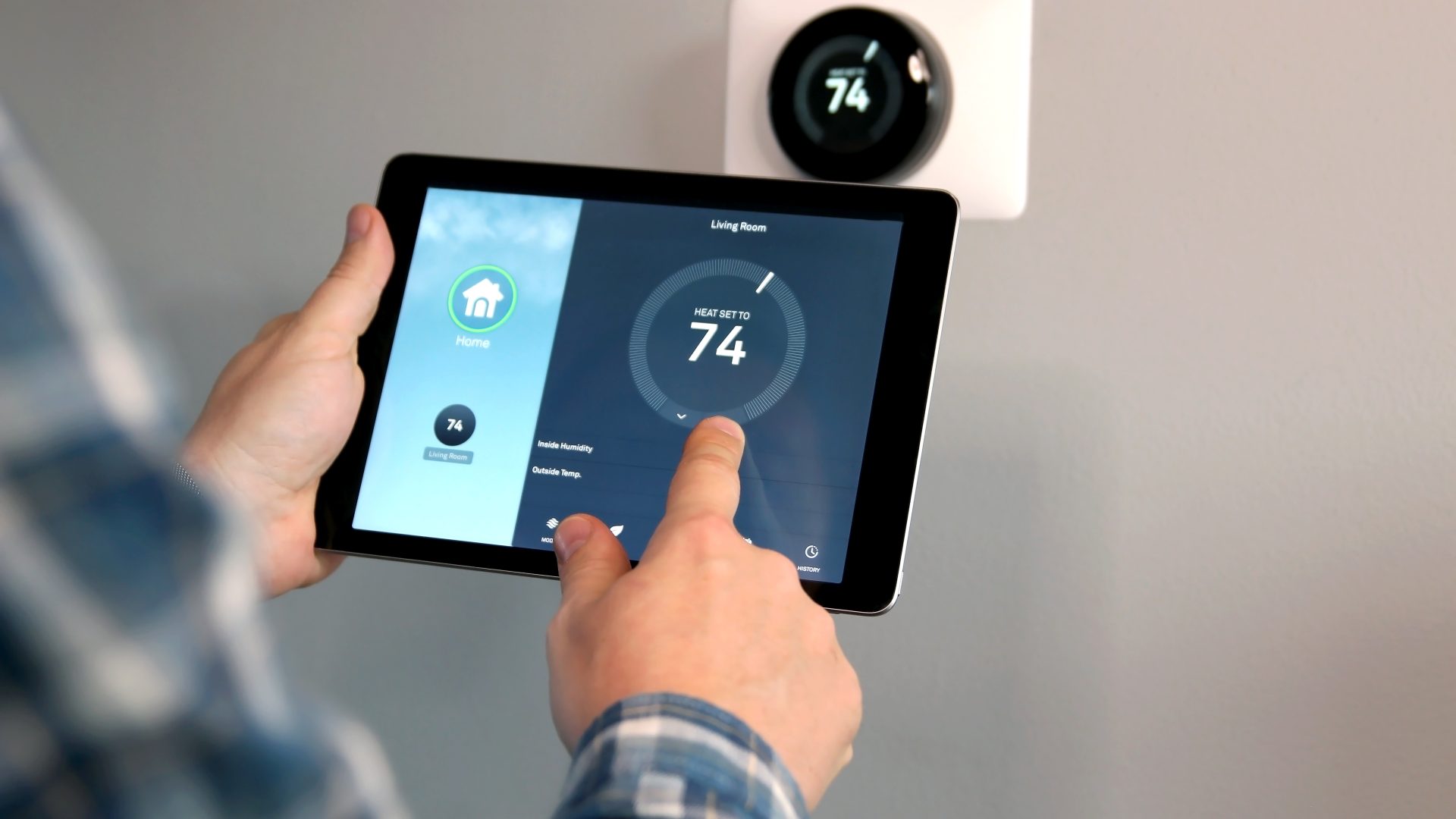
The thermostat controls when your AC should turn on and off. If it is malfunctioning, the system may click without starting the cooling cycle.
What to Check
- Make sure the thermostat is set to “Cool.”
- Set the desired temperature several degrees below the current room temperature.
- Check whether the thermostat display is working normally.
- If the thermostat uses batteries, replace them if they are weak or depleted.
- Make sure the thermostat is not displaying an error message.
If the thermostat clicks but the indoor or outdoor equipment does not respond, the thermostat or its wiring could require professional inspection.
A Faulty Contactor
The contactor is an electrical component located in the outdoor condenser that helps control power to major components such as the compressor and condenser fan motor. When the thermostat calls for cooling, the contactor should engage and allow the system to operate.
Signs of Contactor Trouble
- You may hear a click from the outdoor unit.
- The condenser may remain completely inactive.
- The contactor may be worn, burned, or damaged.
- The AC may start intermittently and then stop working.
- Electrical components may show signs of overheating.
A defective contactor should be inspected and replaced by a qualified HVAC technician because the outdoor condenser contains high-voltage electrical components.
A Failed Capacitor
Your AC system uses capacitors to help certain motors start and continue running. A failing capacitor can cause the system to click or attempt to start without successfully operating.
Common Symptoms
- The outdoor unit may click but fail to start.
- The condenser fan may not spin.
- The system may make a humming or buzzing sound.
- The AC may struggle to start repeatedly.
- The capacitor may show visible signs of damage or swelling.
A capacitor can retain an electrical charge even when the system is not actively running, so homeowners should not attempt to test or replace one themselves.
Tripped Circuit Breaker or Electrical Issue
Sometimes the clicking sound is not the primary problem. A tripped breaker, damaged wiring, failed disconnect, or another electrical issue may prevent the AC from receiving the power it needs.
Why the AC May Click but Not Start
- The thermostat can still send a cooling signal.
- A control component may respond with a click.
- The condenser may not receive sufficient electrical power.
- A breaker may have tripped because of an electrical fault.
- Damaged wiring may interrupt the circuit.
If an AC breaker repeatedly trips, avoid repeatedly resetting it. Frequent tripping can indicate an underlying electrical problem that needs professional attention.
Compressor Problems
The compressor is a critical part of the air conditioning system. If it has an electrical or mechanical problem, the AC may attempt to start but fail.
Possible Warning Signs
- The outdoor unit may click without starting.
- The system may make unusual humming or buzzing sounds.
- The circuit breaker may trip when the compressor attempts to start.
- The AC may have been experiencing poor cooling before the failure.
- The compressor may be overheated or nearing the end of its service life.
A technician can test the compressor and related electrical components to determine whether the issue can be repaired or whether replacement should be considered.
Dirty or Restricted Condenser
The outdoor condenser needs adequate airflow to release heat. When the coils are heavily covered with dirt or the area around the unit is blocked, the system can become overheated and may eventually shut down.
Outdoor Problems to Look For
- Leaves and debris may be covering the condenser.
- Grass or vegetation may be growing too close to the unit.
- Dirty coils can restrict heat transfer.
- The condenser fan may struggle to operate efficiently.
- Excessive heat can place additional stress on electrical and mechanical components.
Keeping the area around the condenser clear and scheduling routine maintenance can help reduce the risk of performance problems.
Refrigerant or System Pressure Problems
Refrigerant issues can also contribute to AC performance problems. A refrigerant leak or incorrect refrigerant charge may cause the system to operate abnormally and place additional stress on components.
Why Professional Diagnosis Matters
- Low refrigerant can reduce cooling performance.
- A refrigerant leak needs to be identified rather than simply ignored.
- Improper system pressures can affect operation.
- Continued operation with certain refrigerant problems can contribute to component damage.
- A qualified technician can check system pressures and determine the appropriate repair.
Homeowners should not attempt to handle or recharge refrigerant themselves.
What You Should Do When Your AC Clicks but Does Not Start
There are a few basic observations you can make before calling an HVAC professional.
Safe Troubleshooting Steps
- Check that the thermostat is set to cooling.
- Confirm that the thermostat temperature is below the current indoor temperature.
- Check whether the thermostat display is functioning.
- Look at the electrical panel for an obvious tripped AC breaker.
- Check the outdoor unit for leaves or other visible debris around it.
- Listen for unusual sounds, such as buzzing or repeated clicking.
- If the system still does not start, contact a qualified HVAC technician.
Do not remove electrical panels, handle capacitors, or attempt to repair the compressor or wiring yourself. These components can present serious electrical hazards.
How Regular AC Maintenance Can Help
Routine HVAC maintenance can identify many developing problems before they become complete system failures. During a professional service visit, a technician can inspect electrical components, test system operation, examine the condenser, and look for signs of wear.
- Electrical connections can be inspected.
- Capacitors and contactors can be evaluated.
- Condenser coils can be cleaned when necessary.
- The fan and compressor can be checked.
- Refrigerant-related issues can be identified.
- General system performance can be evaluated.
Preventive maintenance can help improve reliability and may reduce the likelihood of an unexpected breakdown during periods of heavy cooling demand.
Conclusion
An AC that clicks but will not start may have a thermostat issue, faulty contactor, failed capacitor, electrical problem, compressor failure, restricted condenser airflow, or another underlying issue. While some basic checks are safe for homeowners, electrical and refrigerant-related repairs should be left to trained HVAC professionals.
Texas Air Authorities provides professional AC repair and maintenance throughout Arlington, Bedford, Colleyville, Dalworthington Gardens, Euless, Fort Worth, Grand Prairie, Grapevine, Hurst, Irving, Kennedale, Mansfield, North Richland Hills, Pantego, Watauga, and surrounding areas. Our NATE-certified technicians work with all makes and models and provide same-day appointments, free estimates, and same-day quotes. With a commitment to prompt, respectful service and a 1-year warranty on new equipment, we work to get your AC operating properly and keep your home comfortable.
Texas Air Authorities is the premier choice for HVAC services in Arlington. With a team of highly trained and certified technicians, we have the expertise to handle all of your heating, ventilation, and air conditioning needs. Our commitment to customer satisfaction is unmatched, and we always go above and beyond to ensure that your experience with us is positive. We use only the highest quality parts and equipment to ensure that your HVAC system is running at peak performance. Plus, we offer competitive pricing and flexible scheduling to fit your needs. Choose Texas Air Authorities for all of your HVAC needs in Arlington.
