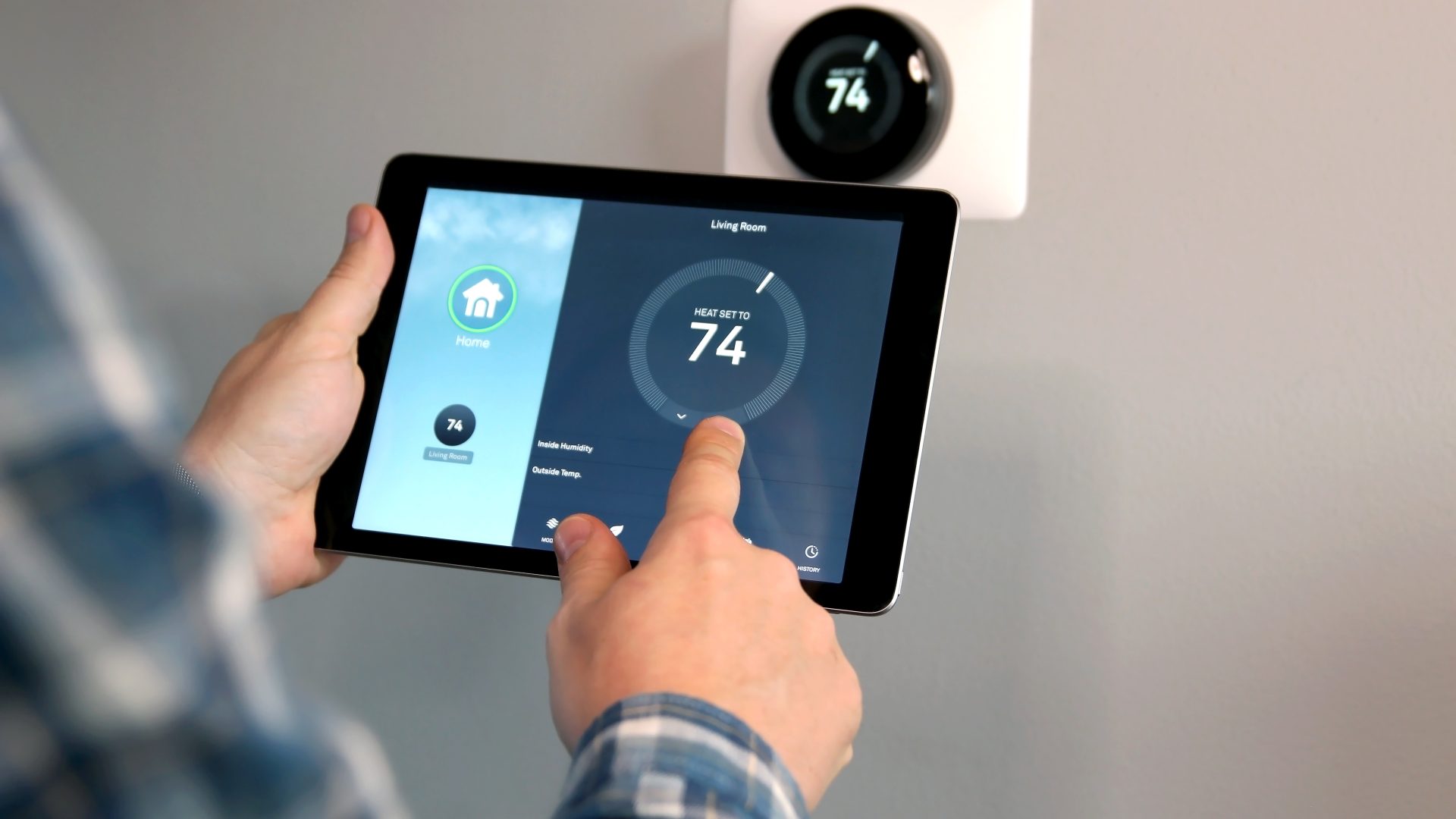

When your heating or cooling system is not working properly, providing useful information before an HVAC service call can help the technician prepare for the visit. Whether your air conditioner is blowing warm air, your furnace is making unusual noises, or your system will not turn on, a few details about the problem can make the diagnostic process more efficient.
Texas Air Authorities believes in keeping customers informed and comfortable throughout the service process. Knowing what information to provide can also help your HVAC contractor understand the situation before arriving at your home.
Describe the HVAC Problem
The first and most important thing to tell your HVAC contractor is exactly what you are experiencing. Try to describe the symptoms rather than simply saying that the system is “not working.”
Useful Details to Mention
- Explain whether the system is not turning on, running continuously, or shutting off unexpectedly.
- Mention whether the air coming from the vents is warm, cool, or weaker than usual.
- Describe unusual sounds such as clicking, buzzing, rattling, squealing, or banging.
- Mention unusual smells coming from the vents or HVAC equipment.
- Explain whether the problem affects the entire home or only certain rooms.
- Tell the contractor when you first noticed the issue.
Specific observations can give the technician a better starting point when evaluating the system.
Tell Them When the Problem Happens
The timing of an HVAC problem can provide valuable clues. Some issues occur continuously, while others only happen under particular conditions.
Examples of Helpful Timing Information
- Does the problem happen every time the system starts?
- Does the AC stop working during the hottest part of the day?
- Does the furnace shut down after running for several minutes?
- Does the problem occur only at night?
- Does the system work intermittently?
- Did the problem begin suddenly or develop gradually?
Providing this information can help the technician determine which components may need closer inspection.
Provide Information About Your HVAC System
If possible, tell the contractor what type of HVAC equipment you have. This can include the system’s brand, approximate age, model, and whether it is a central AC, heat pump, furnace, mini-split, or another type of equipment.
Why Equipment Information Helps
- The technician may be able to anticipate common issues associated with the equipment.
- Knowing the brand can help identify appropriate parts and service procedures.
- The approximate age of the system provides useful context.
- Previous service history can reveal recurring problems.
- Equipment information can help determine whether repair or replacement should be considered.
If you do not know your system’s model or age, do not worry. An HVAC technician can usually identify the equipment during the service visit.
Explain Any Recent Repairs or Maintenance
Tell your contractor about recent HVAC work, particularly if the current problem appeared shortly after a repair, installation, or maintenance appointment.
Information Worth Sharing
- What work was performed?
- When was the work completed?
- Which component was repaired or replaced?
- Did the system operate normally after the service?
- Has the same problem happened before?
This information can help the technician determine whether the current issue is related to a previous problem or is an entirely separate concern.
Mention Any Error Codes or Warning Lights
Modern HVAC equipment may display error codes or diagnostic indicators when something is wrong. If you see an error code on your thermostat or equipment, write it down or take a clear photo for your HVAC contractor.
What to Record
- The exact error code or message.
- Which equipment displayed it.
- When the message appeared.
- Whether resetting the system changed anything.
- Whether the error returns after the system attempts to operate.
Do not repeatedly reset equipment simply to clear an error if doing so causes the system to shut down or behave abnormally.
Tell the Contractor About Unusual Sounds or Smells
Your description of unusual sounds and odors can be especially useful. Different symptoms can point toward different types of problems.
Examples to Report
- A clicking noise when the AC attempts to start.
- A buzzing sound from the outdoor condenser.
- A rattling sound from the indoor unit.
- A burning or electrical odor.
- A musty smell coming from the vents.
- A gas-like odor near a furnace.
If you notice a strong burning smell, gas odor, smoke, or another potentially dangerous condition, prioritize safety and contact the appropriate emergency service when necessary rather than waiting for a routine appointment.
Tell Them About Changes in Your Home
Changes to your home can sometimes affect HVAC performance. Let your contractor know if you have recently remodeled, added rooms, replaced windows, changed insulation, or made significant changes to your ductwork.
Why Home Changes Matter
- Changes in insulation can affect heating and cooling loads.
- New windows or doors can alter how much conditioned air is needed.
- Remodeling can change airflow patterns.
- New rooms may require adjustments to the HVAC system.
- Duct modifications can affect airflow and comfort.
Sharing these details helps your HVAC professional evaluate the entire system rather than focusing only on the immediate symptom.
Explain Your Comfort Concerns
Do not hesitate to explain what you want the HVAC system to accomplish. Your concern may be more than simply a broken component.
Common Comfort Concerns
- Certain rooms may always feel warmer or colder.
- Humidity may seem unusually high.
- Airflow may be weak from certain vents.
- The system may struggle to maintain the thermostat setting.
- Energy bills may have increased unexpectedly.
- The equipment may be running much longer than it normally does.
These details can help the technician look for underlying performance or airflow problems.
Have Your Service Information Available
If you have records from previous HVAC services, keep them available for the technician. Maintenance records, invoices, equipment documentation, and warranty information can all be useful.
Helpful Documents
- Previous repair invoices.
- Maintenance records.
- Equipment installation information.
- Manufacturer documentation.
- Warranty information.
- Previous diagnostic reports.
Texas Air Authorities works with all makes and models of HVAC equipment, and having available records can make it easier to understand the system’s history.
What Not to Do Before the Technician Arrives
It is understandable to want to fix an HVAC problem yourself, but certain repairs require specialized training and equipment. Avoid opening electrical panels, handling refrigerant, bypassing safety controls, or attempting complicated component replacements.
Leave These Tasks to a Professional
- Electrical troubleshooting.
- Refrigerant diagnosis or charging.
- Compressor repairs.
- Capacitor replacement.
- Gas furnace repairs.
- Complex wiring repairs.
- Modifications to the HVAC system.
You can provide useful information and perform simple visual checks, but professional diagnosis is the safest approach for complex HVAC problems.
Conclusion
Providing your HVAC contractor with accurate information before a service call can make the appointment more productive. Describe the symptoms, explain when the problem occurs, provide equipment details when available, mention previous repairs, record error codes, and explain any unusual sounds, smells, airflow problems, or comfort concerns. The more accurately you can describe what is happening, the more information your technician has when beginning the diagnostic process.
Texas Air Authorities proudly serves homeowners throughout Arlington, Bedford, Colleyville, Dalworthington Gardens, Euless, Fort Worth, Grand Prairie, Grapevine, Hurst, Irving, Kennedale, Mansfield, North Richland Hills, Pantego, and Watauga. Our NATE-certified technicians provide comprehensive HVAC services for air conditioners, furnaces, ducts, thermostats, and other equipment. With same-day appointments, free estimates, free same-day quotes, and a 1-year warranty on new equipment, we are committed to providing knowledgeable, respectful, and dependable HVAC service.
Texas Air Authorities is the premier choice for HVAC services in Arlington. With a team of highly trained and certified technicians, we have the expertise to handle all of your heating, ventilation, and air conditioning needs. Our commitment to customer satisfaction is unmatched, and we always go above and beyond to ensure that your experience with us is positive. We use only the highest quality parts and equipment to ensure that your HVAC system is running at peak performance. Plus, we offer competitive pricing and flexible scheduling to fit your needs. Choose Texas Air Authorities for all of your HVAC needs in Arlington.
