
Your HVAC blower motor plays a critical role in keeping your home comfortable. Whether your air conditioner is cooling the house or your furnace is providing heat, the blower motor helps move conditioned air through the ductwork and into your living spaces. When the blower motor stops working, you may notice little or no airflow from your vents, uneven temperatures, or an HVAC system that runs without effectively heating or cooling your home.
There are several reasons an HVAC blower motor can stop working. Some problems are related to electrical components, while others can develop because of normal wear, restricted airflow, dirt, or a malfunction elsewhere in the HVAC system. Understanding these potential causes can help homeowners recognize when it is time to schedule professional service.
What Does the Blower Motor Do?
The blower motor powers the fan that circulates air through your HVAC system. When your thermostat calls for heating or cooling, the system’s controls signal the blower to operate.
During air conditioning, the blower moves indoor air across the evaporator coil, where heat is removed before the cooled air travels through the ductwork. During heating, the blower distributes warmed air throughout the home.
If the blower motor cannot operate, your HVAC system may still appear to turn on, but conditioned air may not reach your rooms properly.
A Failed Blower Motor Capacitor
Why the Capacitor Is Important
Many HVAC blower motors use a capacitor to help the motor start and operate. If the capacitor becomes weak or fails, the blower motor may have difficulty starting or may stop working altogether.
A failed capacitor can sometimes cause the equipment to produce a humming sound while the blower fails to operate normally. However, similar symptoms can be caused by other problems, so professional testing is needed to identify the actual cause.
Because capacitors can retain electrical energy, homeowners should not attempt to test or replace them without the appropriate training and equipment.
Electrical Problems
The blower motor requires electricity and control signals to operate. A tripped circuit breaker, blown fuse, damaged wiring, faulty relay, or another electrical issue can interrupt power to the motor.
If your HVAC system suddenly stops working, you can check whether a circuit breaker has tripped. However, if the breaker trips again after being reset, the system should be inspected rather than repeatedly reset.
Repeated electrical problems can indicate an underlying issue that needs professional diagnosis.
Normal Wear and Age
HVAC blower motors are mechanical components and can eventually wear out. Older motors may develop problems with internal bearings, electrical windings, or other components.
A worn motor may produce unusual noises, operate intermittently, struggle to start, or stop working completely. In some situations, repairing the motor may be possible. In others, replacing it may be the more appropriate solution.
An experienced HVAC technician can inspect the motor and determine which option makes sense for the condition of the equipment.
Dirty Air Filters
Restricted Airflow Can Affect the System
A severely dirty air filter can restrict airflow through an HVAC system. When air cannot move freely, the system may have to work harder to maintain the desired indoor temperature.
Over time, poor airflow can contribute to HVAC performance problems and place additional stress on various components. Checking your filter regularly and replacing it when necessary is one of the simplest ways to support proper airflow.
How often a filter should be replaced depends on the type of filter, household conditions, pets, indoor air quality, and system usage.
Dirt Around the Blower Assembly
Dust and debris can accumulate inside HVAC equipment. If the blower assembly becomes excessively dirty, airflow may be reduced and the system may not operate as efficiently as it should.
Professional HVAC maintenance can provide an opportunity to inspect the blower assembly and other internal components that homeowners generally cannot access safely or easily.
Keeping the system maintained can also help identify developing problems before they result in a complete loss of heating or cooling.
Problems With the Control Board
The HVAC control board manages numerous system functions and helps coordinate when different components should operate. If the control board develops a fault, it may fail to send the appropriate signal to the blower motor.
A control board problem can sometimes look like a failed blower motor. Replacing the motor without properly diagnosing the system could therefore fail to resolve the issue.
A qualified HVAC technician can test the controls and determine whether the motor, control board, wiring, or another component is responsible.
Thermostat or Control Issues
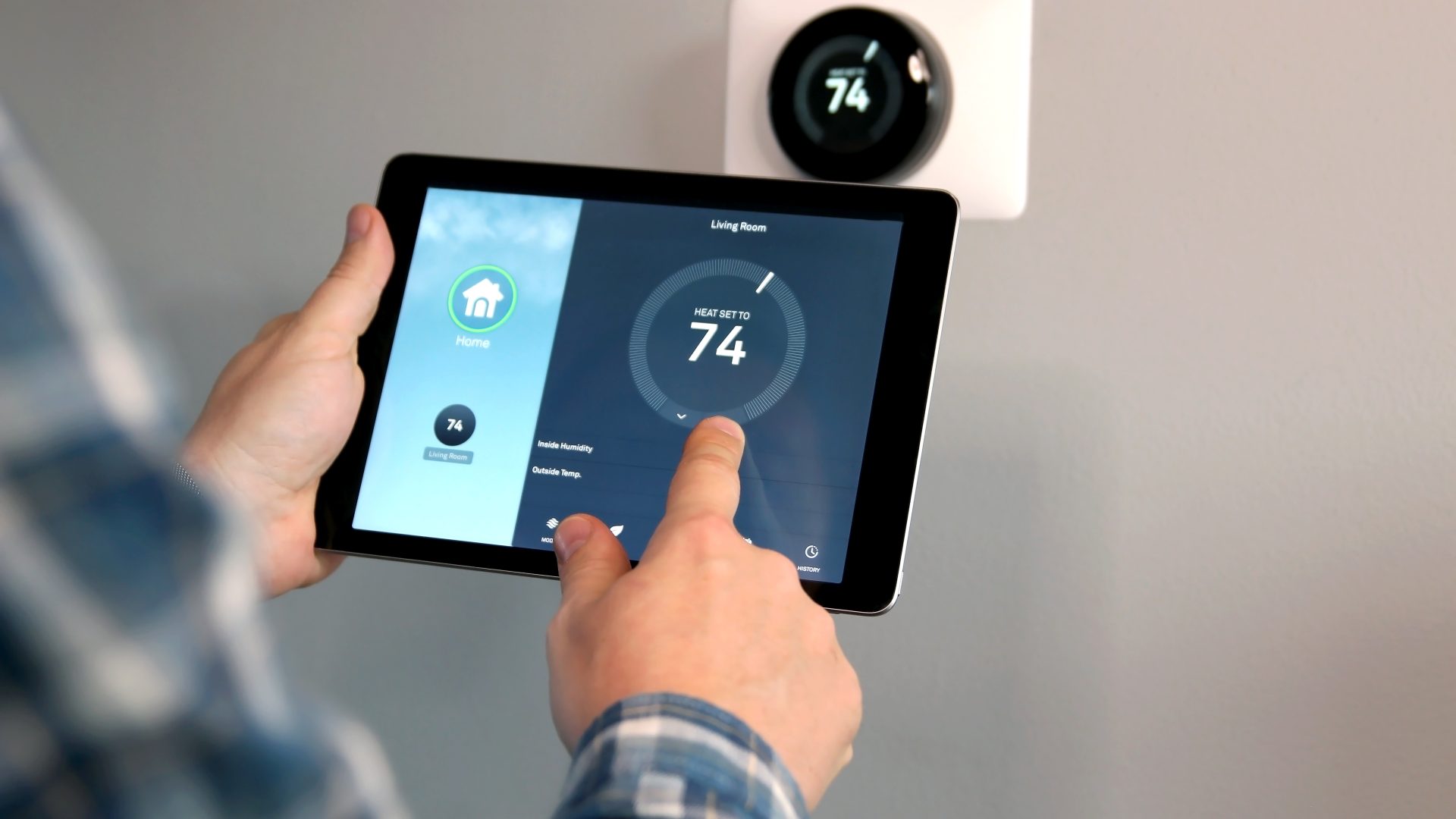
The thermostat tells your HVAC system when heating or cooling is needed. If the thermostat is malfunctioning, incorrectly configured, or experiencing a wiring problem, the system may not receive the proper command to operate the blower.
If your thermostat appears to be working but the blower does not respond correctly, the thermostat and its connections should be considered as part of the diagnostic process.
Ductwork Problems
Sometimes the blower motor is operating, but homeowners may believe it has stopped because very little air is coming from the vents. Leaking, damaged, disconnected, or restricted ductwork can interfere with airflow throughout the home.
If some rooms receive much less airflow than others, an inspection of the ductwork may help determine whether the problem is with air distribution rather than the blower itself.
Texas Air Authorities provides ductwork services as part of its comprehensive HVAC offerings.
Signs You May Have a Blower Motor Problem
Several symptoms can indicate that your blower motor or a related component needs attention:
- Little or no air coming from the vents
- Unusual buzzing, grinding, or squealing sounds
- A blower that starts and stops unexpectedly
- Weak airflow throughout the home
- An HVAC system that runs without properly distributing conditioned air
- Uneven temperatures between rooms
- A system that repeatedly shuts down
Because these symptoms can have multiple causes, a professional diagnosis is important before replacing any major component.
When to Schedule Professional HVAC Service
If the blower motor has stopped working, professional service can help identify the actual source of the problem. HVAC equipment contains electrical components, moving parts, and other systems that require specialized knowledge and tools.
Texas Air Authorities has NATE-certified technicians experienced in servicing air conditioners, furnaces, thermostats, ducts, and HVAC equipment from all makes and models. The company offers same-day appointments and responds immediately to customer calls.
Why Choose Texas Air Authorities?
Texas Air Authorities has proudly served the Tarrant County area since 1999. The locally owned company provides comprehensive HVAC services, including repairs, maintenance, AC installation, furnace services, ductwork, thermostat services, mini-split systems, and air quality solutions.
Technicians are respectful, friendly, and knowledgeable. They explain the problem and available options so homeowners can understand what is happening with their HVAC system. Texas Air Authorities also offers free estimates, free same-day quotes, and a 1-year warranty on all new equipment.
The company serves homeowners throughout Arlington, Bedford, Colleyville, Dalworthington Gardens, Euless, Fort Worth, Grand Prairie, Grapevine, Hurst, Irving, Kennedale, Mansfield, North Richland Hills, Pantego, and Watauga.
Conclusion
An HVAC blower motor can stop working for many reasons, including a failed capacitor, electrical problem, worn motor, dirty components, restricted airflow, control board failure, thermostat problems, or issues elsewhere in the HVAC system. Since several different problems can produce similar symptoms, accurately diagnosing the cause is important before replacing a component.
Regular filter replacement and routine HVAC maintenance can help support proper airflow and system operation. If your home has weak or no airflow, unusual blower noises, or an HVAC system that is not responding properly, professional service can help identify the problem and determine the appropriate solution. Texas Air Authorities provides experienced HVAC service throughout the Dallas Fort Worth Metroplex with a focus on quality workmanship and customer comfort.
Texas Air Authorities is the premier choice for HVAC services in Arlington. With a team of highly trained and certified technicians, we have the expertise to handle all of your heating, ventilation, and air conditioning needs. Our commitment to customer satisfaction is unmatched, and we always go above and beyond to ensure that your experience with us is positive. We use only the highest quality parts and equipment to ensure that your HVAC system is running at peak performance. Plus, we offer competitive pricing and flexible scheduling to fit your needs. Choose Texas Air Authorities for all of your HVAC needs in Arlington.
