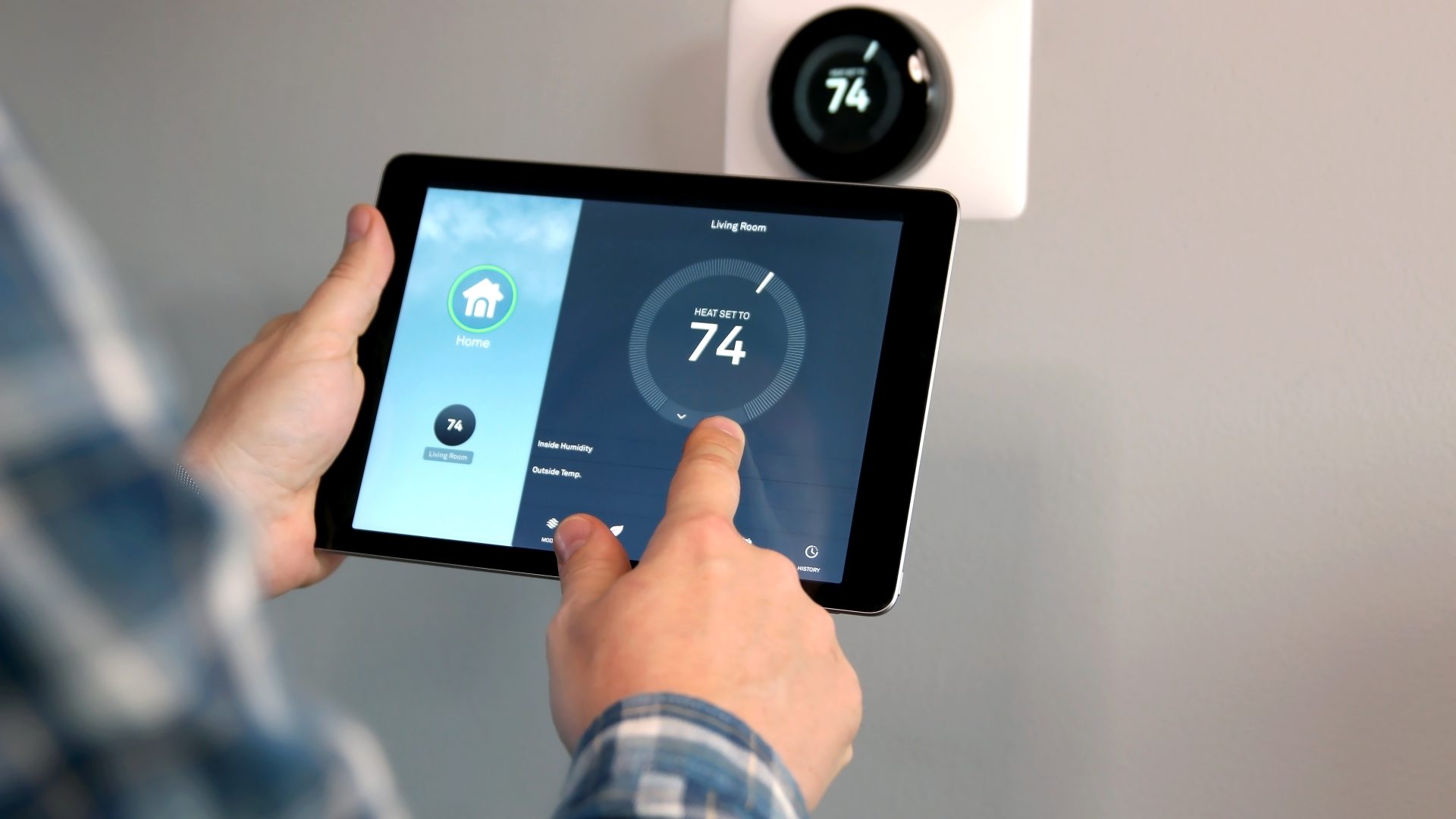

As your HVAC system gets older, it becomes harder to decide whether repairing it is still worth the investment or if replacing it would be the smarter long-term choice. Many homeowners in the Dallas–Fort Worth Metroplex face this decision, especially during extreme summer heat or winter cold when their systems are under the most strain. Understanding the signs of an aging HVAC system and knowing when to repair versus replace can save you money, prevent breakdowns, and keep your home comfortable year-round.
1. Understanding the Typical Lifespan of an HVAC System
Most HVAC systems are designed to last between 10 and 15 years, depending on usage, maintenance, and installation quality. Furnaces may last slightly longer, while air conditioners often experience more wear due to heavy seasonal use. As systems age, efficiency declines and the likelihood of mechanical failure increases. Even with regular maintenance, components naturally wear out over time.
If your system is approaching or past this age range, it is important to evaluate its performance carefully rather than assuming a repair will always be the most cost-effective option.
2. When Repairing an Aging HVAC System Makes Sense
In some cases, repairing your HVAC system is still a reasonable decision. Repairs may be the right choice if:
- The system is less than 10 years old.
- The repair is minor, such as replacing a capacitor, thermostat, or fan motor.
- The system has been well maintained with regular professional service.
- Your energy bills have remained relatively stable.
- The system still heats and cools your home evenly and reliably.
Small, isolated issues in a younger system are often worth fixing, especially if the repair cost is significantly lower than replacement.
3. Signs It May Be Time to Replace Your HVAC System
As systems age, repairs can become more frequent and expensive. Replacement may be the better option if you notice the following:
- Frequent breakdowns that require repeated service calls.
- Rising energy bills without changes in usage habits.
- Inconsistent temperatures or poor airflow throughout your home.
- Excessive noise during operation.
- The system still uses outdated refrigerants that are being phased out.
If repair costs are starting to approach the cost of a new system, continuing to fix an aging unit may only delay the inevitable while costing more over time.
4. The Cost Comparison: Repair vs. Replace
A common rule of thumb is the “50 percent rule.” If a repair costs more than 50 percent of the price of a new system and the unit is near the end of its lifespan, replacement is usually the smarter financial decision. New systems offer improved energy efficiency, fewer breakdowns, and manufacturer warranties that protect your investment.
Modern HVAC systems are also designed to meet higher efficiency standards, which can significantly lower monthly utility bills and provide more consistent comfort.
5. Benefits of Replacing an Aging HVAC System
Upgrading to a new HVAC system offers several advantages:
- Improved energy efficiency and lower utility costs.
- Enhanced indoor comfort with better temperature control.
- Quieter operation compared to older systems.
- Improved indoor air quality and humidity control.
- Peace of mind with new equipment warranties.
A properly sized and professionally installed system can make a noticeable difference in your home’s comfort and efficiency.
6. Professional Evaluation Is Key
Deciding whether to repair or replace should never be a guessing game. A professional HVAC inspection can identify hidden issues, assess system efficiency, and provide honest recommendations based on your home’s needs. An experienced technician can help you weigh short-term repair costs against long-term replacement benefits.
Conclusion
When your HVAC system is aging, choosing between repair and replacement depends on system age, repair frequency, energy efficiency, and overall performance. While repairs may make sense for newer systems with minor issues, older units with ongoing problems are often better replaced to avoid rising costs and unexpected breakdowns.
At Texas Air Authorities, our NATE-certified technicians provide honest evaluations, free estimates, and same-day service throughout the Dallas–Fort Worth Metroplex. Whether your system needs a simple repair or a full replacement, we are committed to helping you make the best decision for your comfort and budget. With same-day appointments and a 1-year warranty on all new equipment, you can trust us to get the job done right the first time.
Texas Air Authorities is the premier choice for HVAC services in Arlington. With a team of highly trained and certified technicians, we have the expertise to handle all of your heating, ventilation, and air conditioning needs. Our commitment to customer satisfaction is unmatched, and we always go above and beyond to ensure that your experience with us is positive. We use only the highest quality parts and equipment to ensure that your HVAC system is running at peak performance. Plus, we offer competitive pricing and flexible scheduling to fit your needs. Choose Texas Air Authorities for all of your HVAC needs in Arlington.
