
Choosing a new air conditioning system is a significant decision for any homeowner. With different equipment types, efficiency levels, features, and price points available, it can be difficult to know which system is right for your home. Instead of choosing an AC system based only on its purchase price, it is important to compare several factors that can affect comfort, operating costs, reliability, and long-term value.
Taking the time to understand your options before installation can help you select a system that is appropriate for your home and cooling needs.
Start With the Size of the System
One of the most important factors to consider when comparing AC systems is capacity. An air conditioner needs to be properly sized for the home it is cooling.
A system that is too small may struggle to keep the home comfortable during hot weather and may run for extended periods. On the other hand, an oversized system can cycle on and off too frequently, which may affect comfort and humidity control.
A professional HVAC contractor can evaluate factors such as the home’s size, layout, insulation, windows, ductwork, and other characteristics before recommending an appropriate system.
Compare Energy Efficiency
Understand Efficiency Ratings
Energy efficiency is another important consideration when comparing air conditioners. More efficient systems may use less electricity to provide the same amount of cooling under comparable conditions.
However, efficiency should be considered alongside the purchase price and expected usage. A higher-efficiency system may cost more initially, but its operating costs may be different over the life of the equipment.
Ask your HVAC contractor to explain the efficiency rating of each system you are considering and how the options differ.
Consider Your Cooling Habits
Your household’s cooling needs also matter. A home that uses air conditioning heavily throughout the summer may benefit from different equipment than a home with more limited cooling requirements.
A professional can help you compare system options based on your home’s needs rather than recommending equipment based solely on the initial price.
Look at Different AC System Features
Modern air conditioners can offer a variety of features designed to improve comfort and operation. Depending on the equipment, features may include variable-speed technology, advanced controls, improved humidity management, or compatibility with certain thermostats.
Not every homeowner needs every available feature. The goal is to identify which features provide meaningful benefits for your household and budget.
When comparing systems, ask what each feature does and whether it addresses a specific comfort or efficiency concern in your home.
Consider the Thermostat
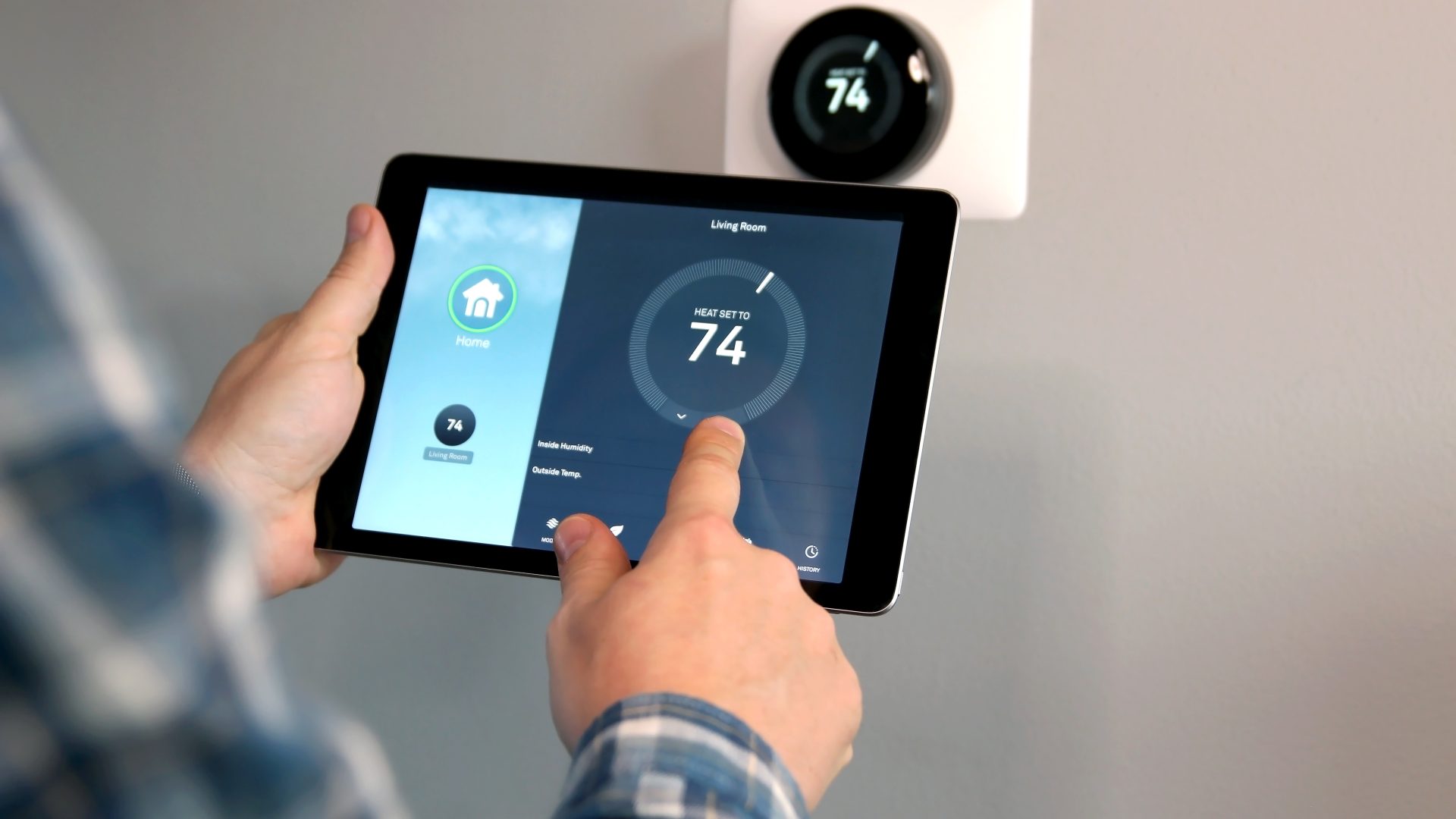
The thermostat plays an important role in controlling your air conditioning system. When replacing an AC unit, it is worth asking whether your existing thermostat is compatible with the new equipment.
Some systems may benefit from a compatible programmable or smart thermostat that provides additional control over temperature settings and schedules.
Your HVAC contractor can evaluate your existing thermostat and explain whether it should remain in place or be replaced as part of the installation.
Evaluate the Ductwork
Existing Ductwork Can Affect Performance
A new AC system does not operate independently of the home’s ductwork. Leaks, damage, poor connections, or inadequate duct sizing can affect how conditioned air moves throughout the home.
If you are replacing an older air conditioner, ask the HVAC contractor to inspect the ductwork as part of the evaluation. Depending on its condition, repairs or improvements may help the new system deliver cooling more effectively.
Texas Air Authorities provides ductwork services in addition to AC installation, helping homeowners address problems that may affect their HVAC system’s performance.
Compare Installation Quality
The equipment you purchase is only one part of the overall AC installation. Proper installation is essential for the system to operate as intended.
When comparing contractors, consider their experience, qualifications, reputation, and approach to installation. Ask what work is included in the quote and whether the contractor will explain the installation process before beginning.
Texas Air Authorities has proudly served the Tarrant County area since 1999. Its technicians are NATE-certified and provide HVAC services for all makes and models.
Review Warranty Coverage
A warranty can provide valuable protection for your investment. When comparing AC systems, look at the manufacturer’s warranty as well as any additional coverage provided by the HVAC contractor.
Find out what components are covered, how long the coverage lasts, and whether there are specific requirements related to installation or maintenance.
Texas Air Authorities offers a 1-year warranty on all new equipment. The company also provides free estimates and free same-day quotes, making it easier for homeowners to understand their options before moving forward.
Compare the Total Cost
The lowest-priced system is not necessarily the best fit for every home. When comparing AC systems, consider the total value of the installation.
Factors worth reviewing include:
- Initial equipment and installation cost
- Energy efficiency
- Expected maintenance requirements
- Available warranty protection
- System features
- Compatibility with existing ductwork and thermostat
- Contractor experience and service availability
Looking at these factors together provides a more complete picture than comparing the initial price alone.
Consider the Contractor’s Service
Your relationship with the HVAC company does not necessarily end after installation. Routine maintenance and future repairs may be needed throughout the system’s life.
Texas Air Authorities offers comprehensive HVAC services, including AC installation, repairs, maintenance, ductwork services, air quality solutions, furnace services, and thermostat services. The company offers same-day appointments and responds immediately to customer calls.
Its service area includes Arlington, Bedford, Colleyville, Dalworthington Gardens, Euless, Fort Worth, Grand Prairie, Grapevine, Hurst, Irving, Kennedale, Mansfield, North Richland Hills, Pantego, and Watauga.
Conclusion
Comparing AC systems involves more than looking at the price tag. Homeowners should consider system size, energy efficiency, features, thermostat compatibility, ductwork, installation quality, warranty coverage, and long-term costs before making a decision.
A professional HVAC evaluation can help you understand which options are appropriate for your home and cooling requirements. By comparing the complete installation rather than focusing on a single factor, you can make a more informed choice and invest in an air conditioning system designed to provide dependable comfort for years to come.
Texas Air Authorities is the premier choice for HVAC services in Arlington. With a team of highly trained and certified technicians, we have the expertise to handle all of your heating, ventilation, and air conditioning needs. Our commitment to customer satisfaction is unmatched, and we always go above and beyond to ensure that your experience with us is positive. We use only the highest quality parts and equipment to ensure that your HVAC system is running at peak performance. Plus, we offer competitive pricing and flexible scheduling to fit your needs. Choose Texas Air Authorities for all of your HVAC needs in Arlington.
