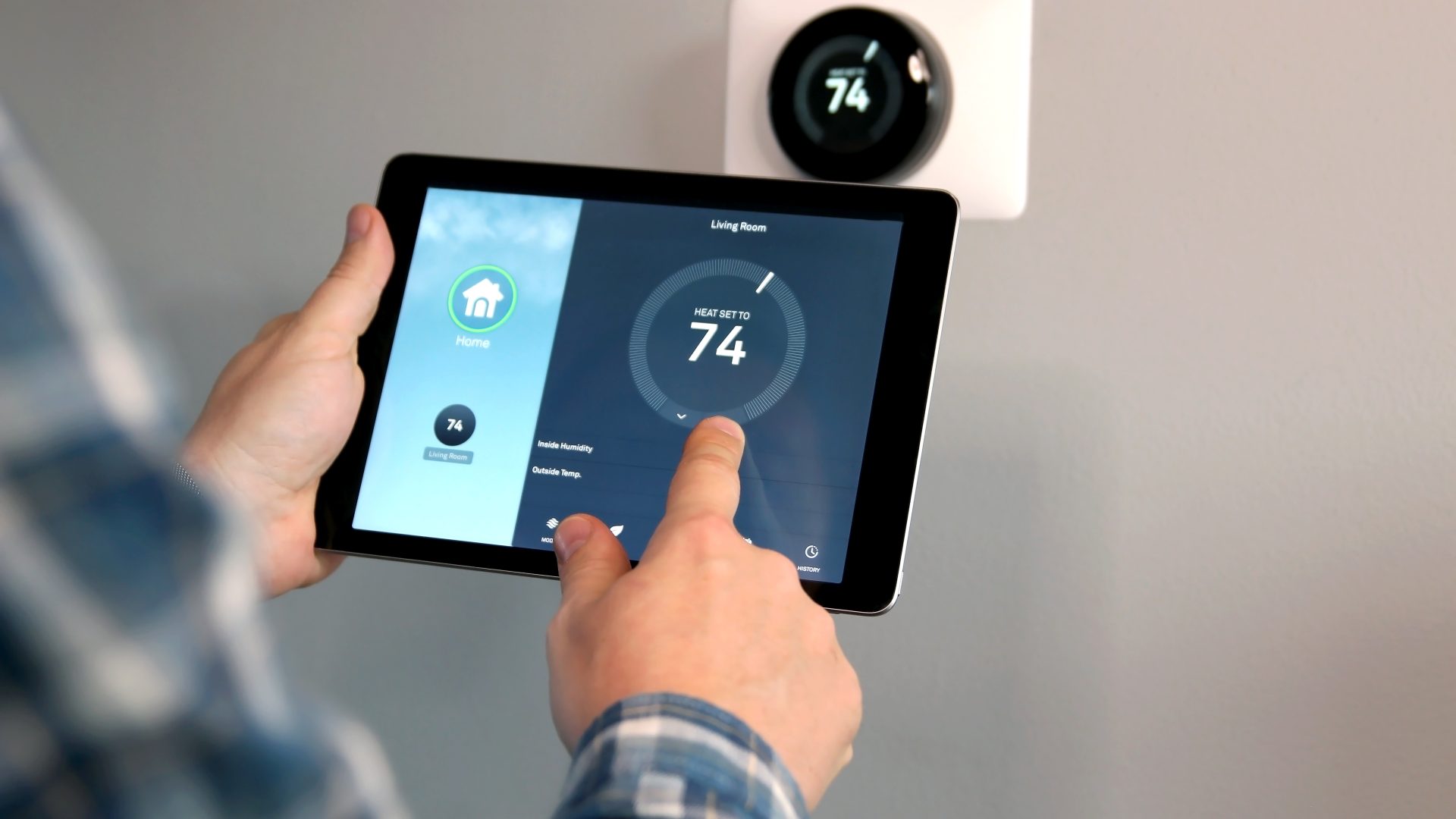

Your HVAC system depends on several components working together to maintain a comfortable indoor temperature. While the thermostat is one of the most familiar controls, sensors inside heating and cooling equipment also play an important role in system performance. These sensors monitor temperatures and operating conditions, helping the system determine when to heat, cool, or adjust its operation.
When an HVAC sensor malfunctions, the system may struggle to maintain the temperature you selected. You might experience uneven heating, insufficient cooling, frequent cycling, or unexpected shutdowns. Because these symptoms can resemble other equipment problems, identifying the underlying cause is important for restoring reliable performance.
Texas Air Authorities provides professional HVAC repair, maintenance, and installation services throughout the Dallas-Fort Worth Metroplex. Understanding how sensor problems affect your equipment can help you recognize warning signs and know when to contact an experienced technician.
What HVAC Sensors Do
Monitoring Indoor and System Temperatures
HVAC sensors measure temperatures at different points in a heating and cooling system. Depending on the equipment, they may monitor indoor air, evaporator coils, refrigerant lines, heat exchangers, or outdoor conditions.
The information collected by these sensors helps the system operate according to its design. For example, an indoor temperature sensor helps the controls determine whether the home has reached the desired temperature. A coil temperature sensor may help prevent an air conditioner from operating under conditions that could cause the evaporator coil to freeze.
If a sensor provides inaccurate information, the system may respond incorrectly. It could stop heating or cooling too early, run longer than necessary, or shut down when it should continue operating.
Supporting Safety and Efficient Operation
Some HVAC sensors help protect equipment by monitoring operating temperatures and other conditions. Depending on the system, sensors and related safety controls can help detect overheating, abnormal temperatures, or conditions that require the equipment to reduce operation or shut down.
These protective functions are especially important in furnaces and modern air conditioning systems. A sensor problem may prevent the equipment from operating as intended, while an actual safety issue can also trigger a sensor or control response.
A technician must determine whether the sensor itself is faulty or whether it is correctly detecting another problem.
Common Signs of HVAC Sensor Problems
Inconsistent Indoor Temperatures
One of the most noticeable signs of a potential sensor problem is a home that never reaches or maintains the desired temperature. You might set your thermostat to a comfortable level, but the system stops running while the house still feels too warm or too cold.
An inaccurate temperature reading can cause the HVAC controls to believe that the target temperature has already been reached. In other cases, the equipment may continue operating because the sensor reports a temperature that differs from actual conditions.
However, inconsistent temperatures can also result from ductwork leaks, poor insulation, incorrect thermostat placement, or equipment sizing issues. A professional diagnosis can help distinguish between these possibilities.
Frequent System Cycling
Short cycling occurs when an HVAC system repeatedly turns on and off over relatively short periods. A faulty temperature sensor may contribute to this behavior by sending incorrect readings to the system’s controls.
For example, an air conditioner might shut down prematurely if a sensor incorrectly indicates that the system has reached the target temperature. It may then restart soon afterward when the controls detect another temperature change.
Frequent cycling can reduce comfort and place additional strain on system components. If your heating or cooling equipment repeatedly starts and stops without a clear reason, it is worth arranging an inspection.
Weak Heating or Cooling Performance
Sensor problems can also interfere with how effectively your HVAC system heats or cools your home. If the controls receive inaccurate information, the equipment may not operate for the appropriate amount of time or may enter a protective shutdown.
You might notice that your air conditioner runs but does not cool the home adequately, or that your furnace stops heating before rooms become comfortable.
Weak performance does not automatically mean a sensor has failed. Dirty filters, refrigerant problems, blower issues, and other mechanical faults can produce similar symptoms. A technician can test the relevant components and determine the actual cause.
Unexpected Shutdowns or Error Codes
Modern HVAC systems often use electronic controls that monitor operating conditions and identify certain faults. When a sensor provides an out-of-range reading or its circuit develops a problem, the system may display an error code or stop operating.
Some systems can also enter a protective mode to prevent damage. Although this response can be inconvenient, it may indicate that the equipment is attempting to protect itself.
If an error code appears, record the code and consult the manufacturer’s instructions. Avoid repeatedly resetting the equipment without understanding why it shut down. A qualified HVAC technician can interpret the code and inspect the associated components.
What Can Cause HVAC Sensors to Malfunction?
Dirt and Contamination
Dust and debris can accumulate around certain sensors and affect their ability to measure conditions accurately. Depending on the sensor design and location, contamination may interfere with readings or contribute to unreliable operation.
Regular maintenance can help technicians identify buildup and determine whether a sensor needs cleaning or further testing. Always follow manufacturer recommendations, because some sensors require careful handling and should not be cleaned using unsuitable products.
Worn Components or Electrical Problems
Like other HVAC components, sensors can deteriorate over time. Electrical connections may loosen, wiring can become damaged, and sensor circuits may develop faults.
In some cases, the sensor itself remains functional, but a wiring issue prevents its signal from reaching the control board correctly. Replacing the sensor without identifying the underlying electrical problem may not resolve the issue.
Professional testing can help determine whether the fault lies with the sensor, wiring, control board, or another system component.
Improper Installation or Placement
Sensor location can affect the accuracy of temperature readings. For example, a thermostat installed near a sunny window, heat-producing appliance, or drafty doorway may measure conditions that do not represent the rest of the home.
This type of issue may create symptoms similar to a malfunctioning sensor, even when the component is working properly. Correct placement and proper calibration, where applicable, help ensure that the system responds appropriately to indoor conditions.
How HVAC Technicians Diagnose Sensor Problems
Accurately diagnosing a sensor issue requires more than simply replacing a component whenever the system behaves unusually. A technician will typically evaluate the equipment’s symptoms, inspect relevant wiring and connections, and compare sensor readings with appropriate temperature or electrical measurements.
Depending on the system, the diagnostic process may include:
- Reviewing error codes and system operating history when available.
- Inspecting sensors, wiring, and electrical connections.
- Testing sensor readings against manufacturer specifications.
- Checking related components, such as the thermostat, blower, control board, and safety controls.
- Determining whether the sensor is defective or responding to another underlying problem.
Once the cause is identified, the technician can explain the available repair options. The solution may involve cleaning an accessible component, correcting a wiring issue, replacing a failed sensor, or repairing another part of the HVAC system.
Preventing Sensor Problems With Routine Maintenance
Routine HVAC maintenance can help identify developing problems before they cause major comfort issues. During a maintenance visit, a technician can inspect relevant components, assess system operation, check accessible electrical connections, and look for signs of wear or contamination.
Homeowners can also help protect system performance by changing air filters as recommended, keeping supply and return vents unobstructed, and paying attention to unusual changes in heating or cooling behavior. If the system begins cycling frequently, displays an error code, or struggles to maintain the set temperature, arranging service promptly can help prevent unnecessary equipment strain.
Texas Air Authorities has proudly served the Tarrant County area since 1999. Our NATE-certified technicians work with all makes and models and provide heating and cooling repairs, maintenance, and installation services. We offer same-day appointments, free estimates, and free same-day quotes, helping homeowners throughout the Dallas-Fort Worth Metroplex find practical solutions for their HVAC concerns.
Conclusion
HVAC sensor problems can affect heating and cooling performance by causing inaccurate temperature readings, frequent cycling, inconsistent comfort, reduced operating effectiveness, or unexpected system shutdowns. Because these symptoms can also indicate other mechanical or electrical issues, accurate diagnosis is essential.
Keeping up with routine maintenance and responding promptly to unusual system behavior can help protect your equipment and maintain a comfortable home. If you suspect an HVAC sensor problem, Texas Air Authorities can help identify the cause and explain the appropriate repair options. With experienced, NATE-certified technicians and a commitment to dependable service, we work to keep homes across the Dallas-Fort Worth Metroplex comfortable throughout the year.
Texas Air Authorities is the premier choice for HVAC services in Arlington. With a team of highly trained and certified technicians, we have the expertise to handle all of your heating, ventilation, and air conditioning needs. Our commitment to customer satisfaction is unmatched, and we always go above and beyond to ensure that your experience with us is positive. We use only the highest quality parts and equipment to ensure that your HVAC system is running at peak performance. Plus, we offer competitive pricing and flexible scheduling to fit your needs. Choose Texas Air Authorities for all of your HVAC needs in Arlington.
