
Your HVAC system depends on a reliable electrical supply to operate properly. From the thermostat and control board to the blower motor, compressor, fan motors, and other components, electricity allows different parts of the system to work together. When an electrical connection becomes loose, damaged, corroded, or otherwise compromised, it can affect the system’s performance and reliability.
Electrical connection problems are not always obvious at first. An HVAC system may continue running while showing subtle symptoms such as inconsistent temperatures, unusual noises, short cycling, or higher energy use. In other cases, an electrical issue can cause the system to stop working completely.
Understanding how these problems affect heating and cooling equipment can help homeowners recognize warning signs before a minor issue develops into a more serious repair.
Loose Electrical Connections Can Interrupt System Operation
Electrical connections can loosen over time because of vibration, repeated heating and cooling cycles, normal wear, or other factors. A loose connection can interfere with the consistent flow of electricity to an HVAC component.
When a component does not receive a reliable electrical connection, it may operate intermittently or fail to start. You might notice that your air conditioner or furnace starts and stops unexpectedly or that certain components appear to work inconsistently.
Loose connections can also generate additional heat at the connection point. If left unaddressed, this may contribute to damage to wiring or electrical components.
Damaged Wiring Can Reduce HVAC Reliability
HVAC systems contain numerous wires and electrical connections. Wiring can become damaged due to age, physical damage, corrosion, overheating, or other problems.
Damaged wiring may prevent electricity from reaching a component correctly. Depending on where the problem occurs, the result could be a malfunctioning thermostat, blower motor, outdoor fan, compressor, furnace component, or control board.
Electrical wiring problems can also present safety concerns. Burning odors, visible wire damage, discoloration around electrical components, or unusual buzzing sounds should not be ignored.
Corrosion Can Affect Electrical Connections
HVAC equipment can be exposed to moisture and changing temperatures, particularly around outdoor air conditioning components. Over time, moisture can contribute to corrosion on electrical connections.
Corroded connections may interfere with the electrical flow required by motors, contactors, capacitors, and other components. As the connection deteriorates, the system may become increasingly unreliable.
A technician can inspect electrical components and connections to determine whether corrosion, wear, or another issue is affecting system operation.
Electrical Problems Can Cause HVAC Components to Overheat
A poor electrical connection can create resistance, which can result in heat buildup at the connection. Excessive heat can damage wiring and electrical components if the underlying problem is not corrected.
HVAC equipment already operates under demanding conditions, particularly during periods of extreme summer or winter weather. Electrical problems can add additional stress to components that are already working to maintain the desired indoor temperature.
If an HVAC system repeatedly shuts down or displays signs of overheating, professional inspection can help determine whether an electrical connection problem is contributing to the issue.
Electrical Connection Problems Can Cause Short Cycling
Short cycling occurs when an HVAC system turns on and off more frequently than it should. While there are many possible causes of short cycling, electrical problems can sometimes contribute to inconsistent operation.
For example, a faulty connection may interrupt power to a component or cause a control signal to behave inconsistently. The result may be repeated starts and stops instead of normal heating or cooling cycles.
Short cycling can place additional wear on HVAC components and prevent the system from maintaining comfortable indoor temperatures consistently.
A Faulty Connection Can Affect the Thermostat
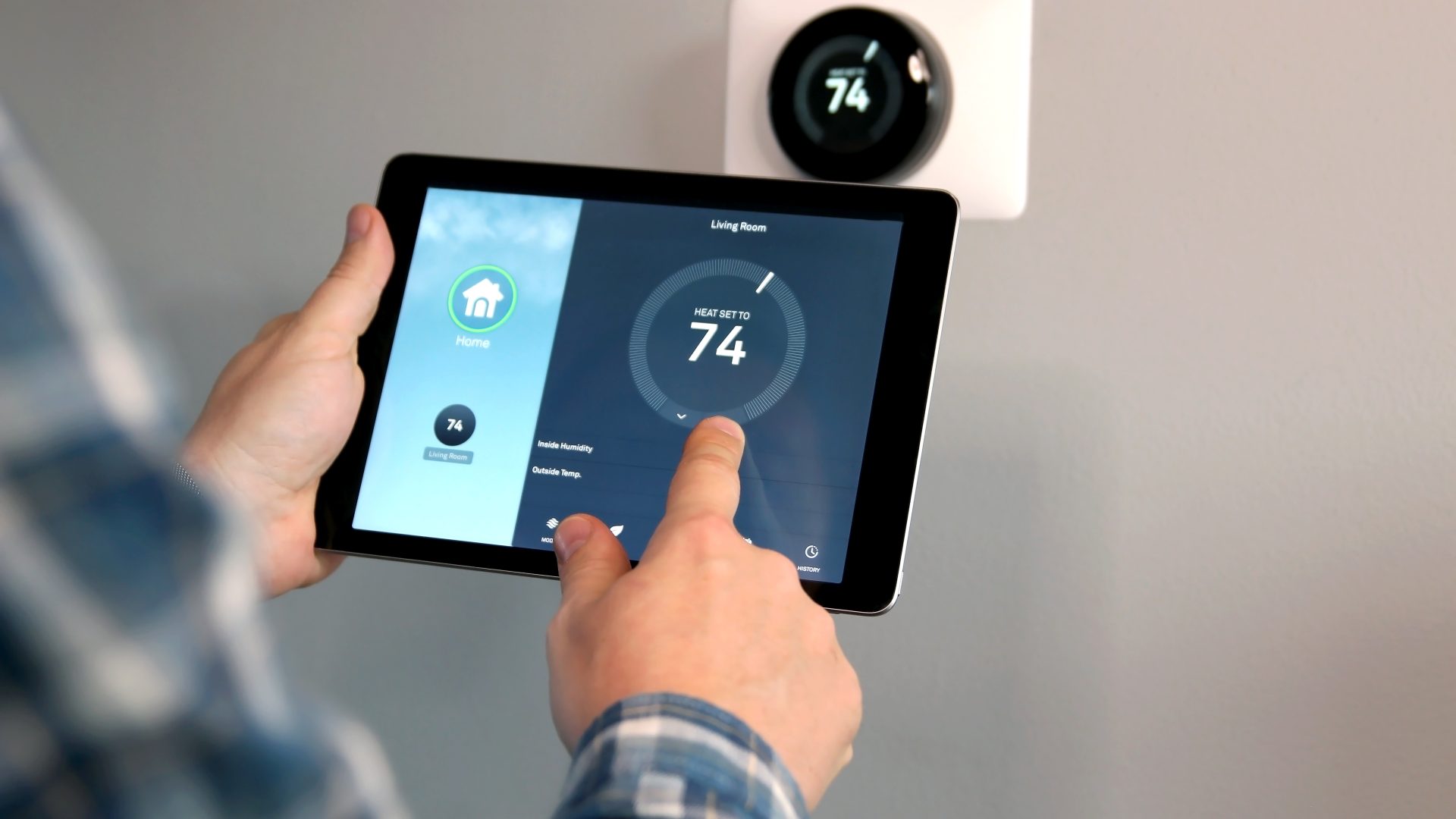
The thermostat communicates with the HVAC system and helps control when heating or cooling should operate. If there is an electrical connection problem involving the thermostat wiring or related controls, the system may not respond correctly to temperature settings.
Possible symptoms can include:
- The HVAC system does not respond when the thermostat calls for heating or cooling
- The system starts and stops unexpectedly
- The thermostat displays unusual behavior
- The indoor temperature does not match the thermostat setting
- Heating or cooling is inconsistent
While changing batteries may solve some thermostat issues, persistent problems can indicate a wiring or system-control issue that requires professional diagnosis.
Electrical Problems Can Affect Motors and the Compressor
Motors are essential to HVAC operation. The blower motor moves conditioned air through the ductwork, while outdoor fan motors help move air across the outdoor coil in an air conditioning system. The compressor is also dependent on reliable electrical power.
If an electrical connection to one of these components is compromised, the component may fail to start, operate intermittently, or draw abnormal amounts of current.
A homeowner may notice weak airflow, reduced cooling, unusual noises, or a system that struggles to complete a normal operating cycle. Diagnosing these symptoms requires determining whether the underlying problem is electrical, mechanical, or related to another HVAC component.
Repeated Circuit Breaker Trips May Signal an Electrical Issue
If your HVAC system repeatedly trips the circuit breaker, an electrical connection problem could be one possible cause. Other problems, such as a failing motor, capacitor, compressor, overloaded circuit, or faulty breaker, can also cause repeated trips.
The important thing is not to repeatedly reset the breaker without determining why it is shutting off. A breaker is designed to provide protection when an electrical problem occurs.
If the breaker continues to trip, professional HVAC service can help identify the source of the problem and determine what repairs may be necessary.
Warning Signs You Should Not Ignore
Electrical HVAC problems can sometimes develop gradually, making early warning signs easy to overlook. Homeowners should pay attention to changes in system behavior.
Warning signs may include:
- Burning or unusual electrical odors
- Buzzing, crackling, or unusual electrical sounds
- Frequent circuit breaker trips
- HVAC equipment that suddenly shuts off
- Inconsistent heating or cooling
- Motors that struggle to start
- Unusual cycling
- Visible discoloration or damage near electrical components
- A thermostat that does not communicate properly with the system
Because electrical components can present safety hazards, homeowners should avoid attempting complex electrical repairs themselves.
Professional HVAC Service from Texas Air Authorities
Texas Air Authorities provides HVAC services for homeowners throughout the Dallas Fort Worth Metroplex. Our NATE-certified technicians work with all makes and models of HVAC equipment and can help diagnose problems involving furnaces, air conditioners, ducts, thermostats, and other system components.
We understand that an HVAC problem can affect both your comfort and your daily routine. That is why we offer same-day appointments, free estimates, and free same-day quotes. Our technicians are respectful, friendly, and knowledgeable, and we take the time to explain the problem and available options.
Texas Air Authorities has proudly served the Tarrant County area since 1999. Our services include AC installation, furnace repair, air quality solutions, mini-split systems, ductwork services, routine maintenance, and other HVAC needs.
We serve Arlington, Bedford, Colleyville, Dalworthington Gardens, Euless, Fort Worth, Grand Prairie, Grapevine, Hurst, Irving, Kennedale, Mansfield, North Richland Hills, Pantego, and Watauga.
Conclusion
Electrical connection problems can have a significant effect on HVAC system performance. Loose connections, damaged wiring, corrosion, and other electrical issues can cause inconsistent operation, overheating, short cycling, motor problems, thermostat issues, and unexpected system shutdowns.
Because HVAC electrical systems involve potentially dangerous components, it is important to have persistent electrical problems inspected by a qualified professional rather than attempting complicated repairs yourself. Addressing the issue early can help protect your equipment and restore reliable heating and cooling.
If your HVAC system is behaving unusually, repeatedly tripping a breaker, or showing other signs of an electrical problem, Texas Air Authorities can help identify the cause and explain the available repair options.
Texas Air Authorities is the premier choice for HVAC services in Arlington. With a team of highly trained and certified technicians, we have the expertise to handle all of your heating, ventilation, and air conditioning needs. Our commitment to customer satisfaction is unmatched, and we always go above and beyond to ensure that your experience with us is positive. We use only the highest quality parts and equipment to ensure that your HVAC system is running at peak performance. Plus, we offer competitive pricing and flexible scheduling to fit your needs. Choose Texas Air Authorities for all of your HVAC needs in Arlington.
