
Your heating and cooling system plays an important role in maintaining a comfortable home throughout the year. However, as HVAC equipment ages, its performance may decline, energy consumption may increase, and repairs may become more frequent. Knowing when your system needs maintenance, repairs, or replacement can help you avoid unexpected breakdowns and make informed decisions about your home’s comfort.
An HVAC contractor evaluates an aging heating and cooling system by inspecting its major components, testing its performance, reviewing its maintenance history, and identifying potential safety concerns. This comprehensive assessment helps determine whether the equipment can continue operating reliably or whether replacement may be the more practical long-term option.
For homeowners throughout the Dallas-Fort Worth Metroplex, Texas Air Authorities provides professional HVAC maintenance, repair, and installation services to help keep heating and cooling systems operating efficiently.
Inspecting the Overall Condition of the HVAC System
The first step in evaluating an aging HVAC system is examining the equipment’s overall condition. An HVAC contractor looks for visible damage, signs of wear, corrosion, unusual noises, and other indications that components may be deteriorating.
Checking the Age and Maintenance History
The age of an HVAC system provides useful information about its expected remaining service life. However, age alone does not determine whether a system needs replacement. Equipment that receives regular maintenance may continue operating reliably longer than a poorly maintained system.
During the evaluation, a contractor may review several factors:
- Equipment age: The installation date helps establish how long the system has been in service.
- Maintenance records: Previous inspections and service visits can reveal recurring issues.
- Repair history: Frequent repairs may indicate that important components are wearing out.
- Previous performance: Reports of uneven temperatures, unusual noises, or inconsistent operation can help identify developing problems.
This information allows the contractor to assess the system’s condition and explain whether continued maintenance or replacement deserves consideration.
Examining Visible Wear and Damage
An aging system may develop rust, deteriorating insulation, damaged wiring, loose connections, or worn mechanical components. These problems can affect performance, reliability, and safety.
The contractor inspects accessible parts of the indoor and outdoor equipment, looking for signs of deterioration that could require attention. For example, corrosion around an outdoor condenser may indicate prolonged exposure to moisture, while damaged insulation on refrigerant lines may reduce system efficiency.
Identifying these issues early can help homeowners address repair needs before they contribute to more extensive equipment problems.
Evaluating Heating and Cooling Performance
Aging HVAC equipment may continue running without delivering the comfort homeowners expect. A contractor tests how effectively the system heats and cools the home and investigates any performance problems.
Testing Airflow and Temperature Differences
Proper airflow is essential for efficient heating and cooling. Restricted airflow can make rooms uncomfortable, increase operating time, and place additional strain on HVAC components.
An HVAC contractor may examine the air filter, blower assembly, ductwork, and supply and return vents. The technician may also measure the temperature difference between the air entering and leaving the system to help assess its performance.
Common warning signs include:
- Weak airflow from supply vents.
- Uneven temperatures between rooms.
- Long heating or cooling cycles.
- Air that does not reach the expected temperature.
- Excessive dust or unusual airflow noises.
These symptoms do not necessarily mean the entire system needs replacement. A dirty filter, duct leakage, thermostat problem, or failing component may be responsible. Proper testing helps identify the underlying cause.
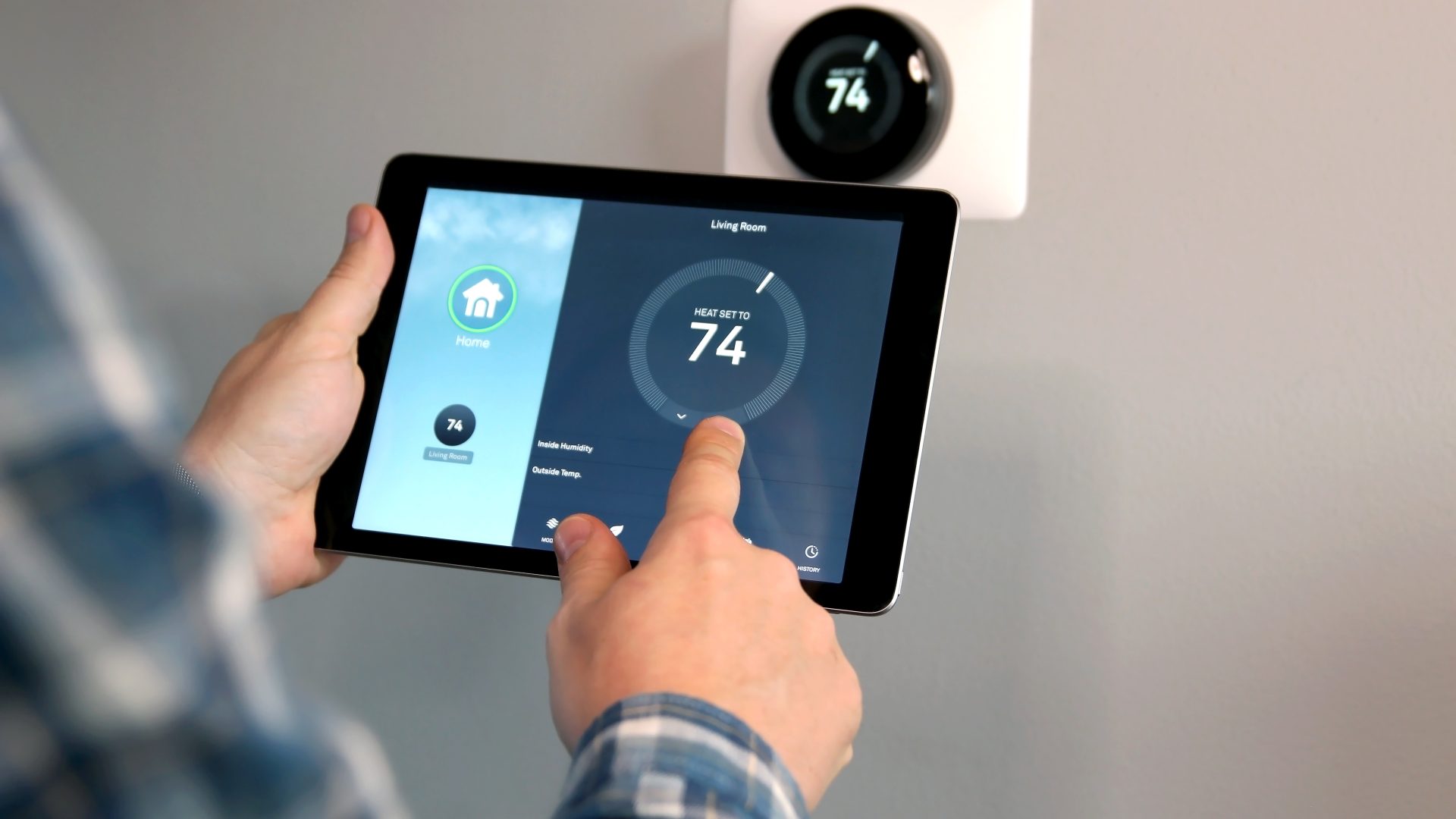
Checking the Thermostat and System Controls
The thermostat communicates with the HVAC equipment and regulates when heating or cooling operates. If the thermostat is inaccurate or the control system is malfunctioning, the equipment may run too long, cycle frequently, or fail to maintain the desired temperature.
During an evaluation, the contractor checks thermostat settings, system response, and relevant control functions. The technician may also inspect accessible wiring and electrical connections for signs of damage or deterioration.
If the thermostat is the source of the problem, repairing or replacing it may restore proper operation without requiring a new heating and cooling system.
Inspecting Major HVAC Components
The condition of the system’s major components plays a significant role in determining its reliability and remaining service life. An HVAC contractor evaluates the equipment according to its type, age, condition, and operating symptoms.
Examining the Air Conditioner and Heat Pump
For an aging air conditioner or heat pump, the contractor inspects the outdoor unit, condenser coil, indoor evaporator coil, fan assemblies, and other relevant components.
The evaluation may include checking for restricted airflow, unusual vibration, damaged electrical components, refrigerant-related problems, and signs of compressor deterioration.
A heat pump also requires an assessment of its heating operation and the components involved in switching between heating and cooling modes.
If the system uses an older refrigerant that is no longer commonly available, the contractor may explain how refrigerant availability and repair requirements could affect future service costs. The specific implications depend on the equipment and applicable regulations.
Evaluating the Furnace
For an aging furnace, the contractor examines components such as the blower motor, ignition system, burners, electrical controls, and other parts relevant to safe operation.
Gas furnaces require particular attention to combustion and venting. Depending on the equipment, the evaluation may include checking gas connections, inspecting the heat exchanger, and testing safety controls.
A cracked heat exchanger or other serious safety concern may require the furnace to be shut down until the issue is properly addressed. Homeowners should never ignore unusual combustion odors, a carbon monoxide alarm, or symptoms that could indicate a combustion problem.
A qualified HVAC professional can determine whether the furnace can be repaired safely or whether replacement is necessary.
Inspecting the Ductwork
Ductwork distributes heated and cooled air throughout the home. Leaks, disconnected sections, damaged insulation, or obstructions can reduce comfort and cause the HVAC system to work harder.
A contractor examines accessible ducts and may recommend additional testing if airflow problems suggest hidden leakage or restrictions.
Addressing ductwork problems can sometimes improve comfort and performance significantly, even when the main HVAC equipment remains in good condition.
Determining Whether to Repair or Replace the System
After completing the inspection and performance tests, an HVAC contractor explains the findings and discusses the available options. The goal is to determine which solution best meets the homeowner’s comfort, reliability, and budget requirements.
Comparing Repair Costs With Long-Term Value
Repairing an aging system may make sense when the problem is isolated and the equipment remains in good overall condition. However, frequent breakdowns and expensive component failures may make replacement worth considering.
Homeowners should consider the following factors:
- Repair frequency: Repeated service calls can increase maintenance expenses over time.
- Repair cost: A major component failure may make continued investment less attractive.
- Energy efficiency: Older equipment may consume more energy than an appropriately selected modern system.
- Comfort and reliability: Persistent temperature problems or frequent breakdowns may justify replacement.
- Safety concerns: Serious equipment defects may require immediate corrective action or replacement.
- Expected remaining service life: The condition of the equipment matters more than age alone.
A contractor should explain the advantages and disadvantages of each option rather than recommending replacement based solely on the system’s age.
Evaluating Replacement Options
If replacement is appropriate, the contractor can help determine the correct system size and type for the home. Factors such as square footage, insulation, windows, ductwork, local climate, and household comfort preferences can influence equipment selection.
Choosing an appropriately sized system is important. An oversized unit may cycle too frequently, while an undersized unit may struggle to maintain comfortable temperatures during extreme weather.
An HVAC professional can discuss available equipment, installation requirements, expected operating costs, and warranty coverage to help homeowners make an informed decision.
Why Regular HVAC Maintenance Matters as Equipment Ages
Regular maintenance becomes especially important as heating and cooling equipment accumulates years of use. Although maintenance cannot prevent every failure, it can help identify developing problems and support reliable operation.
Homeowners can help protect their systems by following a few practical steps:
- Replace air filters according to the manufacturer’s recommendations.
- Keep outdoor equipment clear of leaves and other debris.
- Avoid blocking supply and return vents.
- Schedule professional inspections before periods of heavy heating or cooling demand.
- Address unusual noises, odors, leaks, or performance changes promptly.
Texas summers can place considerable demands on air conditioning equipment, while winter cold spells require dependable heating. Seasonal maintenance can help homeowners prepare their systems for these changing conditions.
Why Choose Texas Air Authorities for HVAC Evaluation?
When your heating and cooling system begins showing signs of age, a professional assessment can help you understand its condition and plan for future repairs or replacement. Texas Air Authorities has proudly served the Tarrant County area since 1999, offering HVAC repair, maintenance, and installation services throughout the Dallas-Fort Worth Metroplex.
Our NATE-certified technicians service all makes and models of HVAC equipment, including systems from trusted brands such as Lennox, Trane, and Goodman. We take the time to explain the problem, discuss possible solutions, and help homeowners understand their options.
We offer same-day appointments, free estimates, and free same-day quotes. Our team is committed to prompt, professional service, fair pricing, and treating every home with respect. We also provide a one-year warranty on new equipment.
Whether you need a furnace inspection in Arlington, AC maintenance in Bedford, ductwork service in Grapevine, or HVAC replacement in Fort Worth, Texas Air Authorities is ready to help homeowners throughout our service area.
Conclusion
An HVAC contractor evaluates an aging heating and cooling system by reviewing its service history, inspecting visible components, testing airflow and temperature performance, examining major mechanical parts, and identifying safety concerns. These steps help determine whether maintenance, targeted repairs, or complete replacement is the most appropriate solution.
Although an older system may still operate reliably, frequent breakdowns, declining performance, rising energy use, and serious component problems deserve attention. A professional evaluation gives homeowners a clearer understanding of their equipment’s condition and helps them plan for future expenses.
If your heating and cooling system is showing signs of age, Texas Air Authorities can help you determine the next steps. Our experienced technicians provide dependable HVAC services throughout the Dallas-Fort Worth Metroplex, helping homeowners make informed decisions and maintain comfortable indoor environments throughout the year.
Texas Air Authorities is the premier choice for HVAC services in Arlington. With a team of highly trained and certified technicians, we have the expertise to handle all of your heating, ventilation, and air conditioning needs. Our commitment to customer satisfaction is unmatched, and we always go above and beyond to ensure that your experience with us is positive. We use only the highest quality parts and equipment to ensure that your HVAC system is running at peak performance. Plus, we offer competitive pricing and flexible scheduling to fit your needs. Choose Texas Air Authorities for all of your HVAC needs in Arlington.
