
Choosing a new HVAC system is not simply a matter of picking the largest or most expensive unit available. The right system should match your property’s heating and cooling requirements, layout, insulation, ductwork, budget, and comfort goals. An experienced HVAC contractor evaluates several factors before recommending equipment.
A properly selected system can provide more consistent comfort, operate efficiently, and avoid many of the problems associated with oversized or undersized equipment. Whether you are replacing an aging air conditioner, installing a new furnace, or building a new property, professional system selection is an important part of the process.
Property Size and Layout
One of the first factors an HVAC contractor considers is the size and layout of the property. Square footage provides a starting point, but it is not the only consideration.
Important Property Characteristics
- The total conditioned square footage affects the heating and cooling requirements.
- The number of floors can influence how air moves throughout the property.
- Ceiling height can affect the volume of air that needs to be conditioned.
- Open floor plans may have different airflow requirements than homes with many separate rooms.
- Room placement and orientation can influence heating and cooling loads.
A contractor uses these details to help determine the capacity needed for the property rather than relying solely on square footage.
Insulation and Building Envelope
The amount and quality of insulation can have a major effect on how quickly a property gains or loses heat. A well-insulated home generally requires a different HVAC capacity than a poorly insulated building of the same size.
What Contractors Look For
- Attic insulation levels.
- Wall insulation.
- Insulated floors or crawl spaces.
- The condition of doors and windows.
- Potential air leaks around the building envelope.
- The amount of direct sunlight entering the property.
Understanding these factors helps an HVAC contractor determine how much heating and cooling capacity the system needs.
Windows and Sun Exposure
Windows can significantly affect indoor temperatures. Large windows, older single-pane windows, or rooms that receive substantial afternoon sunlight may require additional cooling.
Why Windows Matter
- Direct sunlight can increase indoor heat.
- Poorly insulated windows can allow conditioned air to escape more easily.
- Large areas of glass may increase cooling requirements.
- Window orientation can affect heat gain throughout the day.
- Window coverings can also influence indoor comfort.
A contractor considers these conditions when evaluating the property’s overall heating and cooling load.
Existing Ductwork
If the property already has ductwork, the contractor will typically inspect its condition and configuration before recommending a new HVAC system. Installing new equipment without considering existing ducts can result in airflow and comfort problems.
Ductwork Considerations
- Ducts should be appropriately sized for the system.
- Leaks can waste conditioned air.
- Damaged or disconnected ducts can reduce airflow.
- Poorly designed ductwork can contribute to uneven temperatures.
- Insulation around certain ducts may need to be evaluated.
- Some properties may benefit from duct replacement or modifications.
Texas Air Authorities provides duct services in addition to HVAC installation and repair, helping homeowners address ductwork concerns as part of their overall comfort system.
Heating and Cooling Load
An HVAC contractor needs to determine how much heating and cooling the property actually requires. This involves evaluating the building rather than simply choosing equipment based on its physical size.
Why Proper Sizing Matters
- An undersized system may run continuously while struggling to maintain the desired temperature.
- An oversized AC may cycle on and off too frequently.
- Improper sizing can affect comfort.
- Short cycling can place additional wear on equipment.
- A correctly sized system can provide more consistent operation.
Professional load calculations can help contractors make a more informed recommendation.
Property Use and Occupancy
How a property is used can also influence HVAC requirements. A home occupied by several people may have different comfort needs from a property that is vacant for long periods.
Occupancy Factors
- The number of people regularly using the property.
- Typical occupancy schedules.
- Rooms that are frequently occupied.
- Appliances and equipment that generate heat.
- Special comfort requirements for particular areas.
Commercial properties can have especially complex requirements because occupancy and equipment loads may change throughout the day.
Indoor Comfort Goals
A good HVAC contractor should also ask about your comfort preferences. Some homeowners are primarily concerned with cooling, while others want better humidity control, quieter operation, improved airflow, or greater energy efficiency.
Comfort Priorities May Include
- More consistent temperatures throughout the property.
- Better humidity control.
- Improved indoor air quality.
- Quieter HVAC operation.
- Better airflow.
- Reduced energy consumption.
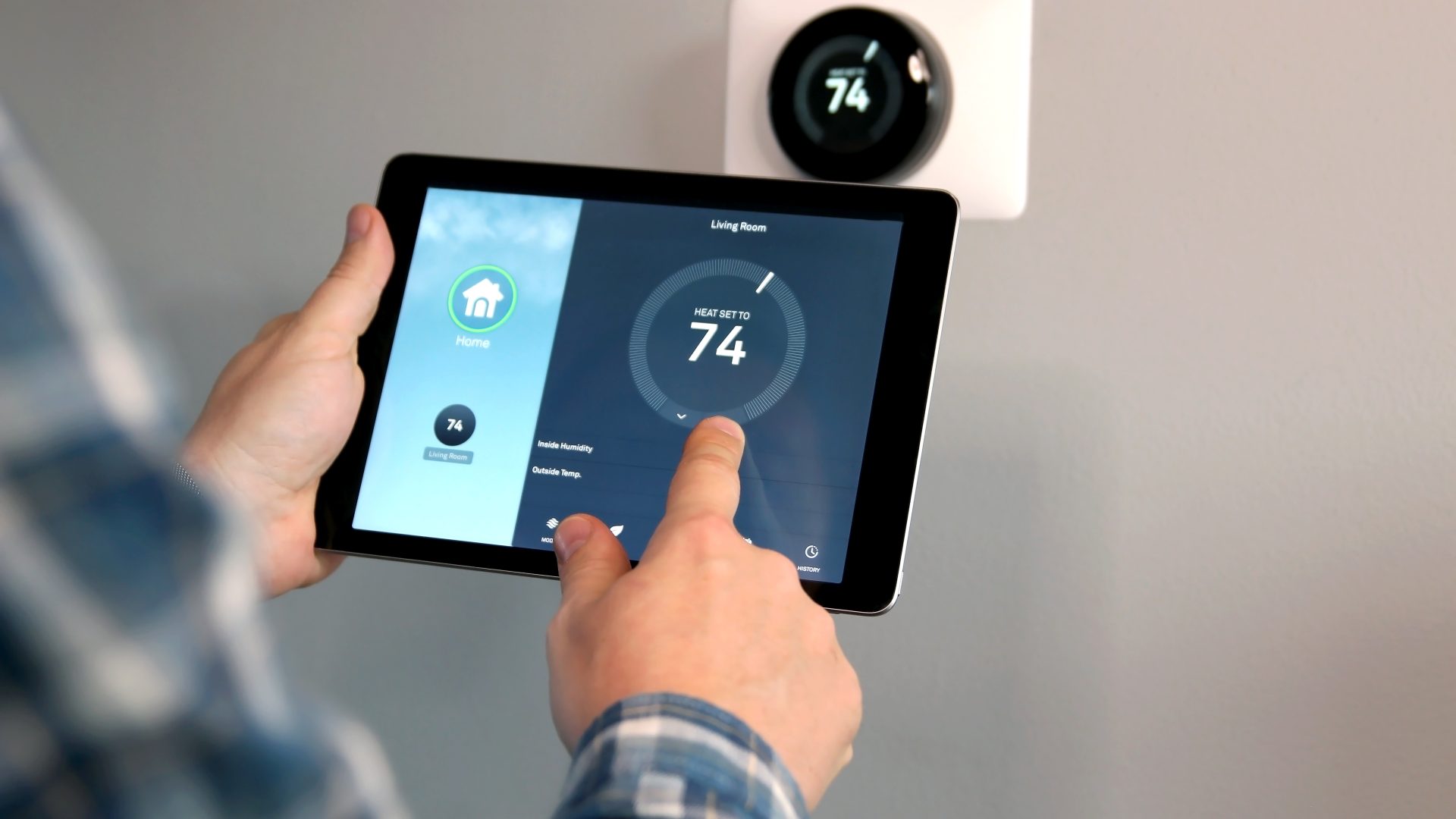
- Smart thermostat compatibility.
Discussing these priorities helps the contractor recommend a system that fits your expectations rather than simply replacing your existing equipment with a similar model.
Energy Efficiency
HVAC systems are available with different efficiency ratings and operating characteristics. An HVAC contractor can explain the available options and help you balance efficiency, comfort, installation costs, and expected usage.
Evaluating Efficiency
- Contractors can compare equipment efficiency ratings.
- Higher-efficiency equipment may reduce operating costs under appropriate conditions.
- The property’s insulation and ductwork affect real-world efficiency.
- Proper installation is essential for equipment to perform as intended.
- Maintenance requirements should also be considered.
Texas Air Authorities works with trusted brands including Lennox, Trane, and Goodman and can help customers evaluate appropriate equipment for their heating and cooling needs.
Existing Equipment and System History
When replacing an HVAC system, the contractor can learn a great deal from the existing equipment. The age, condition, repair history, and performance of the current system can help identify what should be improved.
Questions a Contractor May Consider
- How old is the current system?
- Has it required frequent repairs?
- Has it provided consistent comfort?
- Are some rooms consistently too hot or too cold?
- Has the system experienced airflow problems?
- Is the existing ductwork suitable for the new equipment?
Replacing equipment can be an opportunity to address longstanding comfort problems instead of simply installing another system with the same limitations.
Budget and Long-Term Plans
Your budget is another important consideration. A contractor can present different equipment and installation options based on your priorities.
Looking Beyond the Initial Price
- Consider the upfront installation cost.
- Compare expected operating efficiency.
- Consider the anticipated service life of the equipment.
- Evaluate warranty coverage.
- Consider maintenance requirements.
- Think about your long-term plans for the property.
The least expensive system is not necessarily the most economical choice over its entire service life, just as the most expensive system is not automatically the best fit.
Professional Installation Matters
Even the right HVAC equipment can perform poorly if it is installed incorrectly. Proper installation includes appropriate sizing, electrical connections, airflow, refrigerant-related procedures, ductwork connections, drainage, and system commissioning.
Benefits of Professional Installation
- The equipment can be matched appropriately to the property.
- Installation issues can be identified before they become larger problems.
- Airflow can be evaluated.
- System operation can be tested after installation.
- Homeowners can receive guidance about operation and maintenance.
Texas Air Authorities offers professional HVAC installation along with repair, maintenance, duct, furnace, AC, and thermostat services.
Conclusion
An HVAC contractor determines the right system for your property by looking at much more than square footage. Property size and layout, insulation, windows, sun exposure, ductwork, heating and cooling loads, occupancy, comfort preferences, efficiency goals, existing equipment, and budget can all influence the recommendation.
Texas Air Authorities serves homeowners and businesses throughout Arlington, Bedford, Colleyville, Dalworthington Gardens, Euless, Fort Worth, Grand Prairie, Grapevine, Hurst, Irving, Kennedale, Mansfield, North Richland Hills, Pantego, Watauga, and surrounding areas. Our NATE-certified technicians have the experience to work with all makes and models and provide comprehensive HVAC solutions. With same-day appointments, free estimates, free same-day quotes, and a 1-year warranty on new equipment, we are committed to helping customers find reliable heating and cooling solutions that fit their properties and comfort needs.
Texas Air Authorities is the premier choice for HVAC services in Arlington. With a team of highly trained and certified technicians, we have the expertise to handle all of your heating, ventilation, and air conditioning needs. Our commitment to customer satisfaction is unmatched, and we always go above and beyond to ensure that your experience with us is positive. We use only the highest quality parts and equipment to ensure that your HVAC system is running at peak performance. Plus, we offer competitive pricing and flexible scheduling to fit your needs. Choose Texas Air Authorities for all of your HVAC needs in Arlington.
