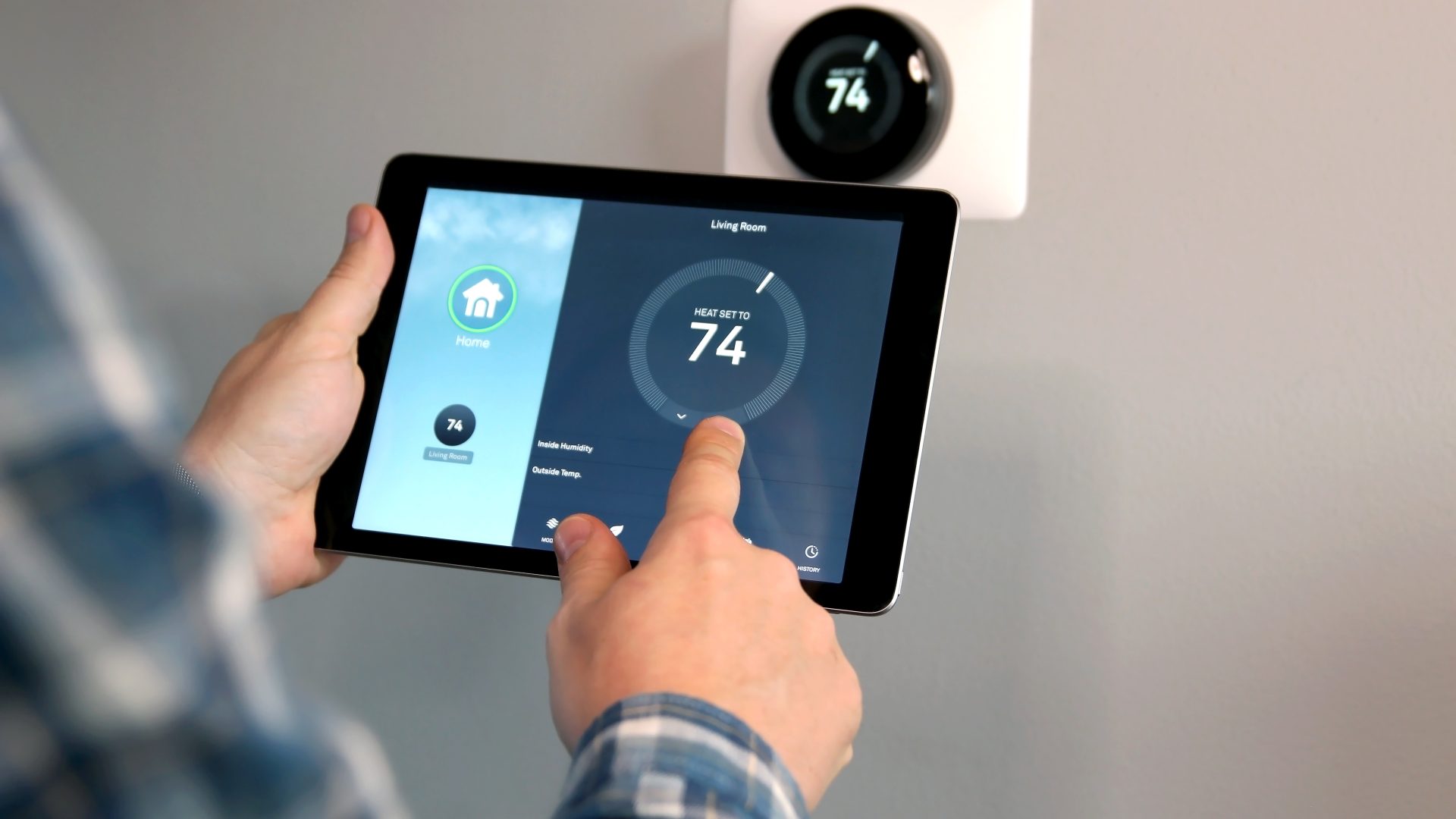

Extreme weather can put significant stress on your HVAC system. During very hot summers or unusually cold winters, your heating and cooling equipment may need to operate for extended periods to keep your home comfortable. If the system has an existing problem, extreme temperatures can expose it at the worst possible time.
Preparing your HVAC system before severe weather arrives can help improve reliability, comfort, and performance. An experienced HVAC contractor can inspect the system, identify potential problems, and recommend maintenance or repairs before your equipment is pushed to its limits.
Schedule a Professional HVAC Inspection
One of the best ways to prepare for extreme weather is to have your HVAC system professionally inspected before the season arrives. An inspection allows a technician to look for problems that may not be obvious during normal operation.
What an HVAC Technician Can Check
- The technician can evaluate the overall condition of your heating and cooling equipment.
- Electrical connections and components can be inspected for signs of wear or damage.
- The system can be checked for unusual noises or operating conditions.
- Airflow can be evaluated throughout the property.
- The technician can look for components that may require cleaning, adjustment, repair, or replacement.
Finding a developing problem before extreme weather arrives may help prevent an unexpected breakdown when you need your system most.
Clean and Inspect the Air Conditioning System
During hot weather, your air conditioner may operate for long periods. Dirt, restricted airflow, and worn components can make it harder for the system to maintain indoor temperatures.
Important AC Components
- Condenser coils should be inspected and cleaned when necessary.
- The outdoor unit should have adequate clearance for proper airflow.
- The indoor evaporator coil should be checked for dirt and buildup.
- The blower should be inspected for proper operation.
- Electrical components should be evaluated.
- The refrigerant system should be checked for signs of problems.
Professional maintenance can help your AC perform more reliably when outdoor temperatures climb.
Prepare Your Furnace for Cold Weather
Extreme cold can place heavy demands on a furnace. A furnace that has been neglected throughout the year may be more likely to experience problems when it is suddenly required to run for long periods.
Furnace Maintenance Can Include
- Inspecting the burner and ignition system.
- Checking the heat exchanger for signs of damage.
- Inspecting electrical connections.
- Evaluating blower operation.
- Checking airflow.
- Examining the thermostat and controls.
- Replacing or recommending replacement of a dirty air filter.
Professional furnace maintenance can help identify potential issues before cold weather makes a heating failure especially inconvenient.
Check and Improve Airflow
Proper airflow is important in both heating and cooling seasons. Restricted airflow can make your HVAC system work harder and may contribute to uneven temperatures and reduced performance.
Common Airflow Problems
- Dirty air filters can restrict the amount of air entering the system.
- Blocked vents can reduce airflow into individual rooms.
- Damaged ducts can allow conditioned air to escape.
- Poorly designed ductwork can create uneven temperatures.
- Blower problems can reduce the amount of air moving through the system.
An HVAC contractor can inspect your ductwork and determine whether cleaning, repairs, replacement, or other improvements are appropriate.
Inspect the Thermostat
Your thermostat plays an important role in maintaining indoor comfort during extreme temperatures. If the thermostat is malfunctioning or inaccurately sensing the indoor temperature, your HVAC system may not operate as expected.
Thermostat Problems to Watch For
- The system does not respond when the temperature is adjusted.
- The thermostat display is blank or inconsistent.
- The HVAC system cycles on and off too frequently.
- The temperature in the home does not match the thermostat setting.
- The thermostat fails to switch properly between heating and cooling.
A professional can inspect the thermostat and its connections and determine whether repair or replacement is appropriate.
Check Refrigerant and Cooling Performance
Before periods of extreme heat, an HVAC contractor can evaluate your AC’s cooling performance and look for signs of refrigerant-related problems. Low refrigerant can affect cooling performance and may indicate a leak that requires attention.
Why Refrigerant Problems Should Not Be Ignored
- Low refrigerant can reduce cooling capacity.
- The system may run for longer periods.
- Certain refrigerant problems can cause components to become excessively cold.
- Continued operation can place additional stress on the system.
- A refrigerant leak requires proper diagnosis and repair.
Refrigerant service should be performed by a qualified HVAC professional rather than attempted as a do-it-yourself repair.
Examine Electrical Components
Extreme weather can mean extended HVAC operating cycles, making electrical reliability especially important. A contractor can inspect electrical components for signs of deterioration or potential failure.
Components That May Need Inspection
- Capacitors.
- Contactors.
- Wiring.
- Electrical connections.
- Motors.
- Disconnects and other system controls.
Addressing worn electrical components before severe weather can help reduce the risk of an unexpected system shutdown.
Inspect Ductwork and Insulation
Your HVAC equipment can be operating properly while your home still feels uncomfortable if conditioned air is being lost through damaged or poorly insulated ductwork.
Ductwork Issues to Consider
- Leaks can allow conditioned air to escape.
- Damaged ducts can reduce airflow.
- Poor insulation can contribute to energy loss.
- Disconnected ducts can prevent air from reaching intended rooms.
- Improperly sized ducts can contribute to uneven comfort.
Texas Air Authorities provides duct services as part of its comprehensive HVAC offerings, helping customers address ductwork problems that can affect overall system performance.
Replace or Clean the Air Filter
An HVAC contractor can also help homeowners determine whether their air filter needs to be replaced or cleaned. A clogged filter can restrict airflow and place additional strain on the equipment.
Benefits of Maintaining the Filter
- Proper airflow can help the system operate more effectively.
- A clean filter can help capture airborne particles.
- Reduced airflow restrictions can help prevent certain performance issues.
- The HVAC system may not have to work as hard to circulate air.
- Regular filter maintenance supports overall system care.
The appropriate filter replacement schedule varies depending on the filter type and household conditions, so follow the manufacturer’s recommendations or ask an HVAC professional for guidance.
Consider System Age and Condition
If your HVAC system is older or has required frequent repairs, extreme weather may be a good reason to have a professional evaluate its overall condition.
Questions to Discuss With Your Contractor
- Is the system in good condition for another season?
- Are major components showing signs of wear?
- Would a repair provide a reasonable long-term solution?
- Would replacing the equipment make more sense?
- Are there opportunities to improve comfort or efficiency?
An HVAC contractor can explain your options and help you make a decision based on the equipment’s condition and your property’s needs.
Schedule Maintenance Before the Rush
Waiting until an extreme-weather event arrives can make HVAC problems more difficult to address. Service demand often increases when temperatures become unusually hot or cold.
Why Early Preparation Helps
- Potential problems can be identified before they become emergencies.
- You have more time to consider repair or replacement options.
- Maintenance can be completed before heavy system use begins.
- You may reduce the likelihood of an inconvenient breakdown.
- Your HVAC system can be ready when you need it most.
Texas Air Authorities offers same-day appointments, making it easier to arrange professional HVAC service when your system needs attention.
Conclusion
Extreme weather can place substantial demands on your HVAC equipment, but professional preparation can help your system handle seasonal stress more reliably. An HVAC contractor can inspect your equipment, evaluate airflow, examine electrical components, check cooling and heating performance, inspect ductwork, assess your thermostat, and identify repairs or maintenance that may be needed.
Texas Air Authorities proudly serves Arlington, Bedford, Colleyville, Dalworthington Gardens, Euless, Fort Worth, Grand Prairie, Grapevine, Hurst, Irving, Kennedale, Mansfield, North Richland Hills, Pantego, Watauga, and surrounding communities. Our NATE-certified technicians work with all makes and models and provide comprehensive HVAC services for air conditioners, furnaces, ducts, thermostats, and more. With same-day appointments, free estimates, free same-day quotes, and a 1-year warranty on new equipment, we are committed to helping homeowners prepare their HVAC systems for whatever weather the season brings.
Texas Air Authorities is the premier choice for HVAC services in Arlington. With a team of highly trained and certified technicians, we have the expertise to handle all of your heating, ventilation, and air conditioning needs. Our commitment to customer satisfaction is unmatched, and we always go above and beyond to ensure that your experience with us is positive. We use only the highest quality parts and equipment to ensure that your HVAC system is running at peak performance. Plus, we offer competitive pricing and flexible scheduling to fit your needs. Choose Texas Air Authorities for all of your HVAC needs in Arlington.
