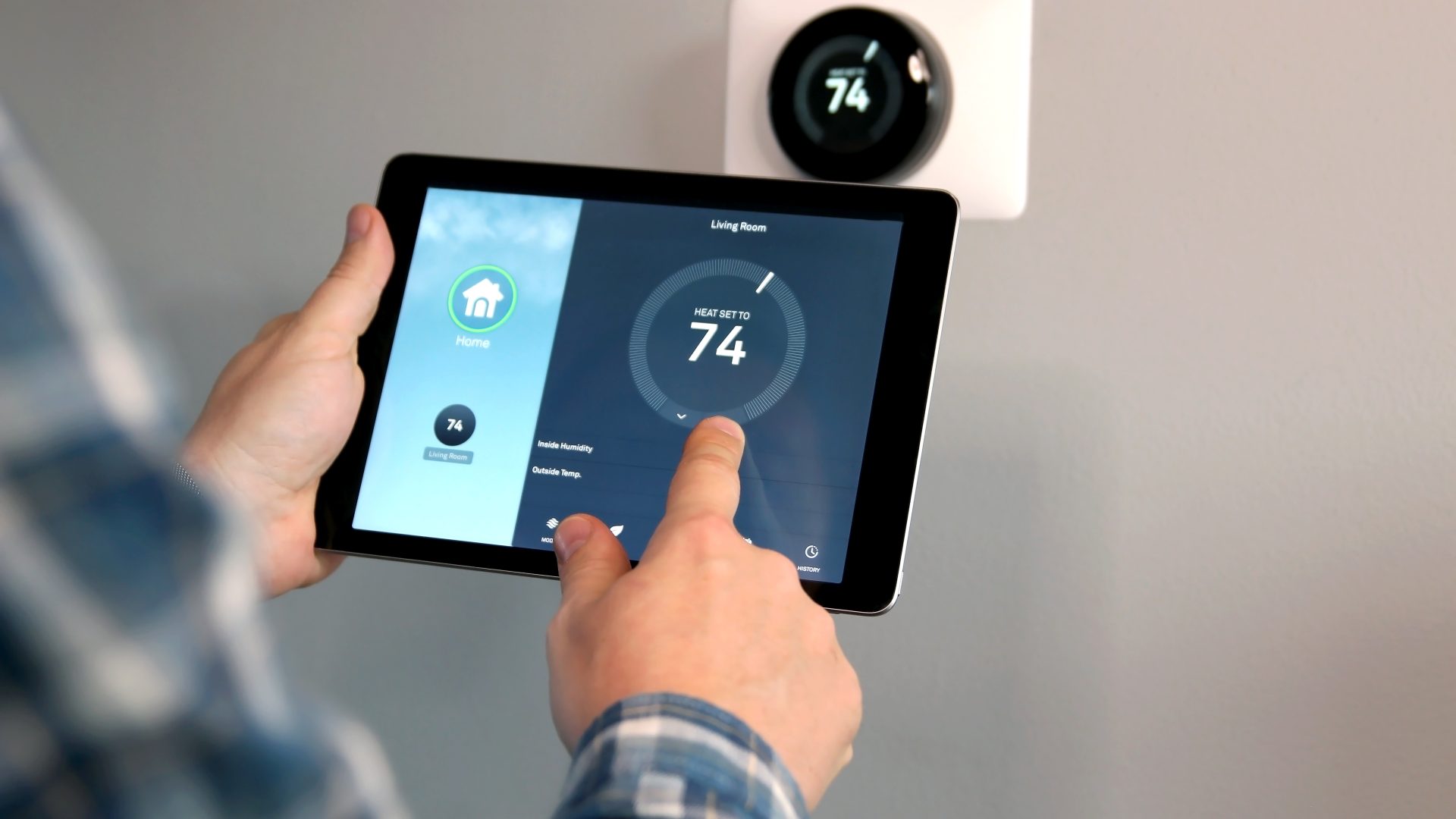

When your air conditioner refuses to start on a hot Texas day, it can quickly become an uncomfortable situation. You might adjust the thermostat, check the air filter, and wait for the system to turn on, only to find that nothing happens. One possible cause of this problem is a damaged AC contactor.
An air conditioning contactor is an electrical component that helps control the flow of power to important parts of your cooling system, including the outdoor compressor and condenser fan. When the contactor becomes worn, damaged, or stuck, your AC may struggle to start or stop working altogether.
Understanding how a damaged contactor affects your air conditioner can help you recognize the warning signs and determine when professional repairs are necessary. At Texas Air Authorities, we provide dependable HVAC repair and maintenance services throughout the Dallas Fort Worth Metroplex to help homeowners maintain reliable indoor comfort.
What Is an AC Contactor and How Does It Work?
An AC contactor is an electrically operated switch located inside the outdoor condensing unit of many central air conditioning systems. It receives a low-voltage signal from the thermostat and control circuit, allowing it to connect or disconnect power to the outdoor unit’s major electrical components.
When your thermostat calls for cooling, the contactor typically engages and allows the compressor and condenser fan to operate. Once the cooling demand is satisfied, the contactor disengages and interrupts power to those components.
Because the contactor operates repeatedly throughout the cooling season, its electrical contacts and mechanical parts can gradually wear out. Electrical arcing, excessive heat, dirt, and general aging can contribute to contactor failure.
Why the Contactor Is Important
Your air conditioner depends on several electrical and mechanical components working together. Even if the thermostat and indoor blower are functioning properly, a faulty contactor can prevent the outdoor unit from receiving the power it needs to cool your home.
A damaged contactor may cause several problems:
- Failure to start: The outdoor unit may remain silent when the thermostat calls for cooling.
- Intermittent operation: The AC may start sometimes but fail to operate consistently.
- Compressor problems: The compressor may not receive the necessary electrical power to begin cooling.
- Continuous operation: Contacts that become welded together may prevent the outdoor unit from shutting off normally.
- Unusual electrical noises: A failing contactor may produce buzzing or chattering sounds as it attempts to engage.
Recognizing these symptoms can help you understand when your air conditioner needs professional attention.
Common Signs of a Damaged AC Contactor
A failing contactor does not always cause an immediate and complete system shutdown. In some cases, the warning signs appear gradually before the air conditioner stops working entirely.
Your Outdoor AC Unit Will Not Start
One of the most noticeable symptoms is an outdoor unit that fails to start even when the thermostat is set to cooling mode.
You may hear the indoor blower running, but the outdoor compressor and condenser fan remain inactive. This can happen when the contactor cannot close its electrical contacts to supply power to the outdoor components.
However, a non-starting outdoor unit does not automatically mean the contactor is defective. A tripped breaker, failed capacitor, faulty thermostat, damaged wiring, or another electrical issue can produce similar symptoms.
A qualified HVAC technician can inspect the electrical system to identify the actual cause.
Buzzing or Chattering Sounds
A contactor may produce buzzing or chattering noises when its coil cannot engage properly or when its electrical connections are compromised.
You might hear a buzzing sound from the outdoor unit without the compressor starting. In other situations, the contactor may repeatedly engage and disengage instead of remaining in a stable position.
These sounds should not be ignored, especially if they occur alongside poor cooling or repeated startup failures. Turn the system off if you notice persistent unusual electrical noises, and arrange for a professional inspection.
The AC Starts and Stops Unexpectedly
A damaged contactor can create intermittent electrical connections. As a result, the outdoor unit may start and stop unpredictably, making it difficult for your home to maintain a comfortable temperature.
Frequent interruptions can also place additional stress on other system components. If your air conditioner repeatedly attempts to start or shuts down unexpectedly, a technician should inspect the contactor and related electrical controls.
The AC Will Not Turn Off
Sometimes, the contactor’s electrical contacts become welded together because of repeated arcing or excessive electrical stress. When this happens, the contacts may remain closed even after the thermostat stops requesting cooling.
The outdoor unit may continue running when it should have shut off. This condition can interfere with normal system operation and may contribute to unnecessary wear.
If the outdoor unit continues running after you turn the thermostat off, contact an HVAC professional to investigate the problem safely.
What Causes an AC Contactor to Fail?
Several factors can contribute to contactor damage. Understanding these causes helps explain why routine maintenance is important for reliable air conditioning performance.
Normal Wear and Tear
Every time your air conditioner starts or stops, the contactor operates. Over thousands of operating cycles, its contacts and mechanical components can deteriorate.
As the component ages, it may become less reliable, particularly during periods of heavy cooling demand. In the Dallas Fort Worth area, long stretches of hot weather can mean frequent operation and increased demands on HVAC equipment.
Replacing a worn contactor before it causes a complete system failure may help prevent unexpected cooling interruptions.
Electrical Arcing and Excessive Heat
When a contactor opens or closes, electrical arcing can occur between its contacts. Over time, repeated arcing may cause pitting, burning, or other contact damage.
Loose electrical connections, excessive current, and other underlying electrical problems can also contribute to overheating. If these issues are not corrected, a replacement contactor may experience premature failure.
A professional inspection should include checking for signs of overheating and identifying any electrical conditions that could damage the new component.
Dirt, Moisture, and Environmental Exposure
Outdoor AC units are exposed to changing weather conditions, dust, humidity, and debris. Although electrical components are housed within the equipment cabinet, environmental exposure can still contribute to deterioration.
Moisture or corrosion affecting electrical connections may interfere with reliable operation. Regular HVAC maintenance helps technicians identify visible damage, deteriorating components, and other developing problems.
How a Damaged Contactor Affects Your AC System
A faulty contactor can prevent your air conditioner from starting because the compressor and condenser fan may not receive the electrical power required to operate.
When the outdoor unit cannot run, the system cannot effectively remove heat from your home. The indoor blower may continue circulating air, but that air will not be cooled properly.
This can lead to several consequences:
- Reduced indoor comfort: Temperatures inside your home may continue rising, particularly during hot summer weather.
- Longer cooling delays: Your home may take much longer to reach the thermostat’s target temperature.
- Increased electrical stress: Repeated startup attempts or unstable electrical connections may affect other components.
- Potential additional damage: A contactor that overheats or remains stuck can contribute to unsafe or abnormal equipment operation.
Prompt diagnosis helps restore normal operation while reducing the risk of additional problems.
What Should You Do If You Suspect a Faulty Contactor?
If your AC will not start, a few basic checks can help you rule out simple issues before arranging professional service. However, electrical components inside an air conditioner can carry dangerous voltages, even when the system appears inactive.
Check Your Thermostat Settings
Make sure your thermostat is set to cooling mode and that the temperature setting is below the current indoor temperature. If the thermostat uses batteries, check whether they need replacement.
Allow a few minutes for the system to respond because some air conditioners have a built-in startup delay.
Check the Air Filter and Circuit Breaker
A dirty filter may contribute to cooling problems, although it generally does not directly cause a contactor to fail. Check whether the filter needs replacement.
You can also look at your electrical panel for a tripped AC circuit breaker. If the breaker has tripped, do not repeatedly reset it. A recurring trip may indicate an electrical fault that requires professional attention.
Avoid Handling Electrical Components
Do not remove the outdoor unit’s electrical access panel, touch the contactor, or attempt to bridge its terminals. Capacitors can retain a dangerous electrical charge even after power has been disconnected.
If the outdoor unit remains unresponsive or you hear unusual electrical noises, turn the system off when safe to do so and contact a qualified HVAC technician.
How Texas Air Authorities Can Help
When an AC contactor fails, replacing the component may restore normal operation, but the technician should also investigate why it failed. Simply installing a new contactor without addressing an underlying electrical problem may lead to another breakdown.
Texas Air Authorities provides AC repair, routine maintenance, and installation services throughout the Dallas Fort Worth Metroplex. Our NATE-certified technicians work with all makes and models of HVAC equipment, helping homeowners identify electrical faults and other air conditioning problems.
We offer several benefits to make HVAC service more convenient:
- Same-day appointments: Get help when an unexpected cooling problem disrupts your comfort.
- Free estimates: Understand the proposed work before making a repair decision.
- Free same-day quotes: Receive timely information about recommended services.
- Experienced technicians: Benefit from our experience serving the Tarrant County area since 1999.
- A one-year warranty on new equipment: Enjoy additional peace of mind when purchasing a qualifying new system.
Our team is committed to respectful service, clear explanations, and dependable solutions at a fair price. We proudly serve Arlington, Fort Worth, Bedford, Euless, Grapevine, Mansfield, Grand Prairie, and surrounding communities.
Conclusion
A damaged AC contactor can prevent your air conditioner from starting by interrupting the electrical power needed to operate the outdoor compressor and condenser fan. Warning signs include a nonresponsive outdoor unit, buzzing or chattering noises, intermittent cooling, and an air conditioner that will not shut off normally.
Although these symptoms can indicate contactor failure, other electrical and mechanical problems may produce similar results. A professional inspection can identify the underlying issue, determine whether the contactor needs replacement, and help prevent recurring breakdowns.
If your air conditioner is not starting or is showing signs of electrical trouble, contact Texas Air Authorities for professional HVAC assistance. Our experienced technicians are ready to help homeowners throughout the Dallas Fort Worth Metroplex restore reliable cooling and maintain a comfortable home.
Texas Air Authorities is the premier choice for HVAC services in Arlington. With a team of highly trained and certified technicians, we have the expertise to handle all of your heating, ventilation, and air conditioning needs. Our commitment to customer satisfaction is unmatched, and we always go above and beyond to ensure that your experience with us is positive. We use only the highest quality parts and equipment to ensure that your HVAC system is running at peak performance. Plus, we offer competitive pricing and flexible scheduling to fit your needs. Choose Texas Air Authorities for all of your HVAC needs in Arlington.
