
Texas summers are known for their intense heat, and homeowners in the Dallas Fort Worth Metroplex often face the challenge of keeping every room in their home comfortable. Traditional single-zone air conditioning systems can struggle to maintain consistent temperatures across multiple rooms, leading to hot spots, uneven cooling, and higher energy bills. Multi-zone cooling systems offer a practical solution by allowing homeowners to control the temperature in different areas of the home independently. Choosing the right system, however, requires careful consideration of your home’s layout, lifestyle, and efficiency goals.
What is Multi-Zone Cooling?
Multi-zone cooling refers to an air conditioning system designed to deliver customized cooling to different areas—or “zones”—of a home. Each zone has its own thermostat, which communicates with a central HVAC system to adjust airflow and temperature according to the preferences of the occupants. For example, bedrooms can be kept cooler at night while living areas remain at a different temperature, or second-floor rooms can receive more cooling without over-conditioning the entire house.
Multi-zone systems are particularly useful in homes with multiple stories, large square footage, or varying insulation levels. They improve comfort, reduce energy consumption, and extend the lifespan of the HVAC system by preventing overuse.
Types of Multi-Zone AC Systems
1.Ducted Multi-Zone Systems
Ducted systems use a central air handler connected to multiple thermostats and dampers within the ductwork. The dampers regulate airflow to each zone based on the thermostat settings. These systems are ideal for homes with existing ductwork and offer consistent cooling throughout the house.
2.Ductless Mini-Split Systems
Ductless mini-split systems are a popular choice for homes without existing ductwork or for adding zones to specific areas. Each zone has its own indoor air handler connected to a single outdoor compressor. Mini-splits provide energy-efficient cooling, allow individual room control, and are relatively easy to install compared to extensive duct modifications.
3.Hybrid Systems
Some homeowners opt for hybrid systems that combine traditional ducted cooling with ductless units in specific areas. This approach is particularly effective for homes with unique layouts or for retrofitting older properties where ductwork may be insufficient.
Factors to Consider When Choosing a Multi-Zone System
1.Home Layout
Evaluate the size, shape, and layout of your home. Multi-zone systems work best when zones are clearly defined—for example, separating the first and second floors, or designating living areas versus bedrooms.
2.Efficiency Ratings
Look for systems with high SEER (Seasonal Energy Efficiency Ratio) ratings. Higher efficiency reduces energy costs and environmental impact while ensuring reliable cooling during hot Texas summers.
3.Ease of Use
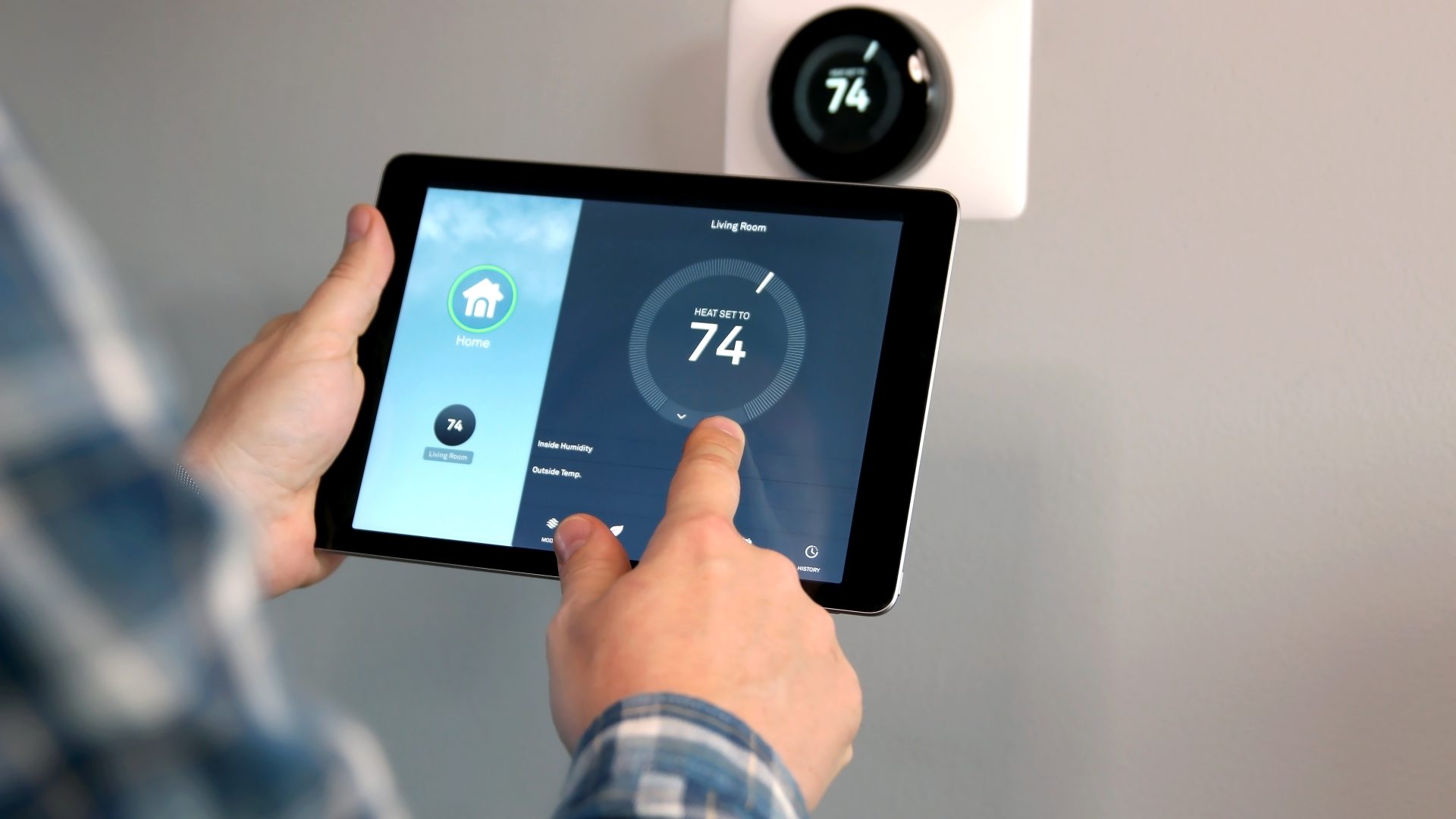
Modern multi-zone systems often include smart thermostats and mobile apps for easy temperature control. Consider a system that allows remote monitoring and adjustments to maximize convenience.
4.Professional Installation
Proper installation is critical for multi-zone performance. A certified HVAC contractor can design the system, install dampers or mini-split units, and ensure that each zone operates efficiently.
5.Maintenance Requirements
Regular maintenance keeps multi-zone systems operating efficiently. Each zone’s air handler and filter must be inspected and cleaned to prevent airflow restrictions and maintain indoor air quality.
Benefits of Multi-Zone Cooling
1.Personalized Comfort
Each occupant can set the temperature according to their preference, reducing complaints and improving overall comfort.
2.Energy Savings
By cooling only the areas in use, homeowners reduce unnecessary energy consumption, lowering monthly utility bills.
3.Reduced Wear on Equipment
Targeted cooling reduces the workload on the central system, extending the lifespan of components and minimizing costly repairs.
4.Enhanced Home Value
Energy-efficient, customizable HVAC solutions are appealing to potential buyers, making multi-zone systems a smart investment for homeowners.
Conclusion
For Texas homes facing the challenges of uneven temperatures and high cooling demands, multi-zone AC systems provide a versatile and efficient solution. Whether opting for ducted systems, ductless mini-splits, or hybrid configurations, choosing the right system requires careful consideration of home layout, energy efficiency, and professional installation. Texas Air Authorities offers expert guidance and installation for multi-zone cooling systems across the Dallas Fort Worth Metroplex. With NATE-certified technicians, same-day service, and trusted brands, homeowners can enjoy a comfortable, energy-efficient home tailored to their unique needs all summer long.
Texas Air Authorities is the premier choice for HVAC services in Arlington. With a team of highly trained and certified technicians, we have the expertise to handle all of your heating, ventilation, and air conditioning needs. Our commitment to customer satisfaction is unmatched, and we always go above and beyond to ensure that your experience with us is positive. We use only the highest quality parts and equipment to ensure that your HVAC system is running at peak performance. Plus, we offer competitive pricing and flexible scheduling to fit your needs. Choose Texas Air Authorities for all of your HVAC needs in Arlington.
