
What is zoning in residential HVAC?
Understanding HVAC Zoning HVAC zoning is a technique that customizes the heating, ventilation, and air conditioning (HVAC) system to meet the specific needs of different areas within a home. By creating distinct “zones” with individual temperature controls, zoning enhances comfort...
How does hvac zoning work in a residential home?
What Is HVAC Zoning? HVAC zoning involves dividing a home into separate areas or "zones," each with its own temperature control. The main goal of zoning is to enhance occupant comfort by offering tailored heating and cooling options based on...
What freon is a replacement for R-22?
R-22 and Its Environmental Impact R-22, commonly known as Freon, has been a staple in air conditioning and refrigeration systems for many years. However, due to its chlorine content, R-22 poses a significant threat to the Earth's ozone layer, contributing...
What makes a ductless mini-split energy efficient?
Introduction to Ductless Mini-Split Systems Ductless mini-split systems are increasingly favored for their energy efficiency and ease of installation. Unlike traditional HVAC systems that rely on extensive ductwork, mini-splits provide targeted heating and cooling to specific areas without the need...
What is better a copper or aluminum HVAC condensing coil?
Choosing the Right Condensing Coil Material When selecting a condensing coil for your HVAC system, the choice between copper and aluminum is crucial. Each metal has distinct properties that influence the performance and longevity of your system. Here’s an overview...
Does my hvac system need to be cleaned?
The Importance of HVAC Cleaning Regular cleaning of your HVAC system is essential for maintaining its efficiency and extending its lifespan. Recommended every one to two years, this proactive maintenance step ensures that your system operates at peak performance, contributing...
What is a ductless mini-split?
Understanding Ductless Mini-Split Systems A ductless mini-split system offers an adaptable solution for heating and cooling in both residential and commercial environments. Unlike traditional HVAC systems, mini-splits operate without extensive ductwork, providing a more streamlined and flexible approach to climate...
How does an Inverter HVAC system work?
An inverter HVAC system is a type of heating and cooling system that uses an inverter to control the speed of the compressor. In a traditional HVAC system, the compressor runs at a constant speed, which means it uses a...
What are the types of residential thermostats?
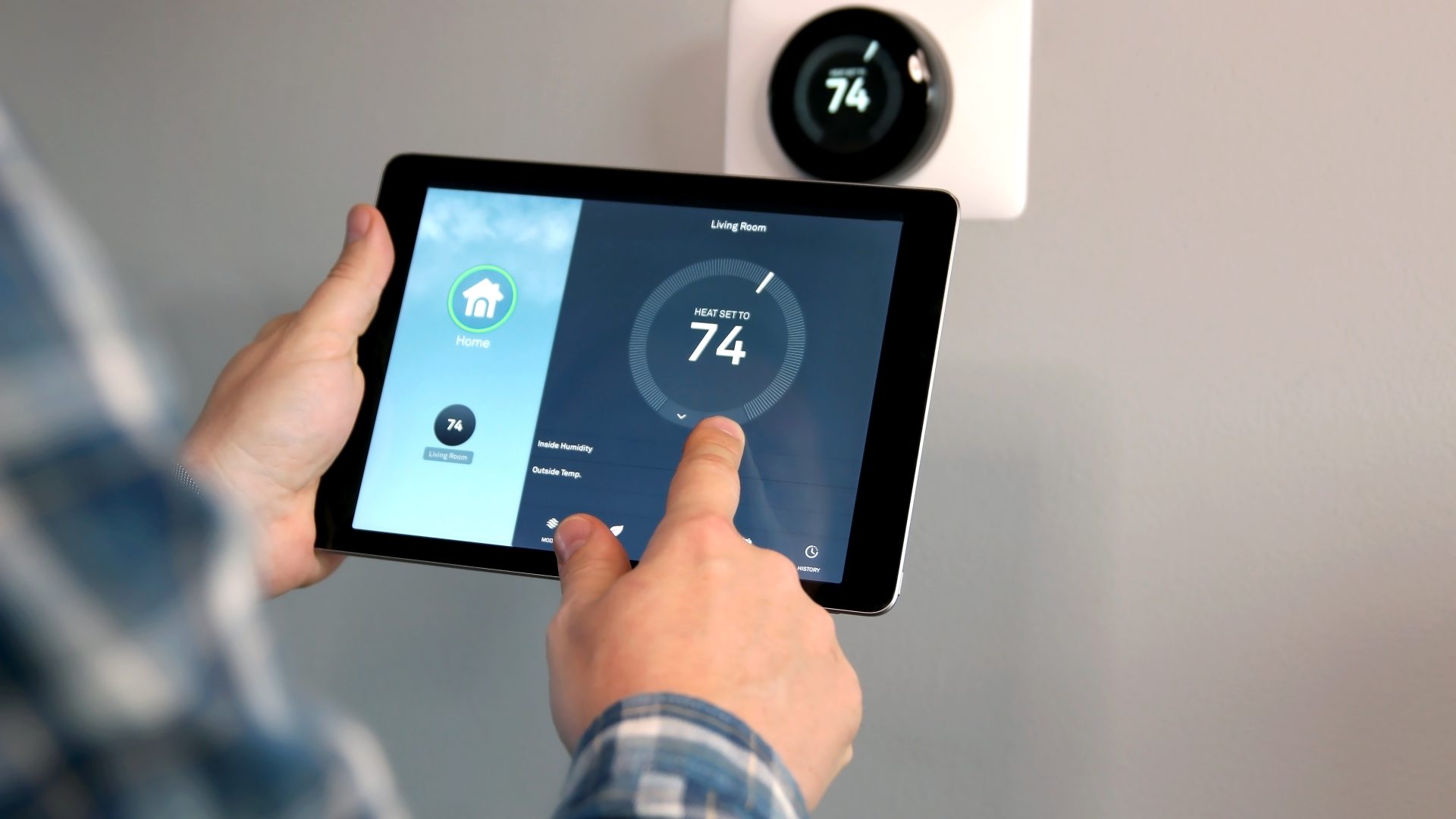
Understanding Residential Thermostats Residential thermostats are essential for managing indoor climate and optimizing energy use in homes. With various types available, each offers unique features and benefits. This guide explores the main types of residential thermostats to help you choose...
How does a residential thermostat work?
Mastering Home Comfort with Precision A residential thermostat is the control hub for your home's heating and cooling systems. Typically mounted on a wall in a frequently used area, this device acts as the interface between you and your climate...
