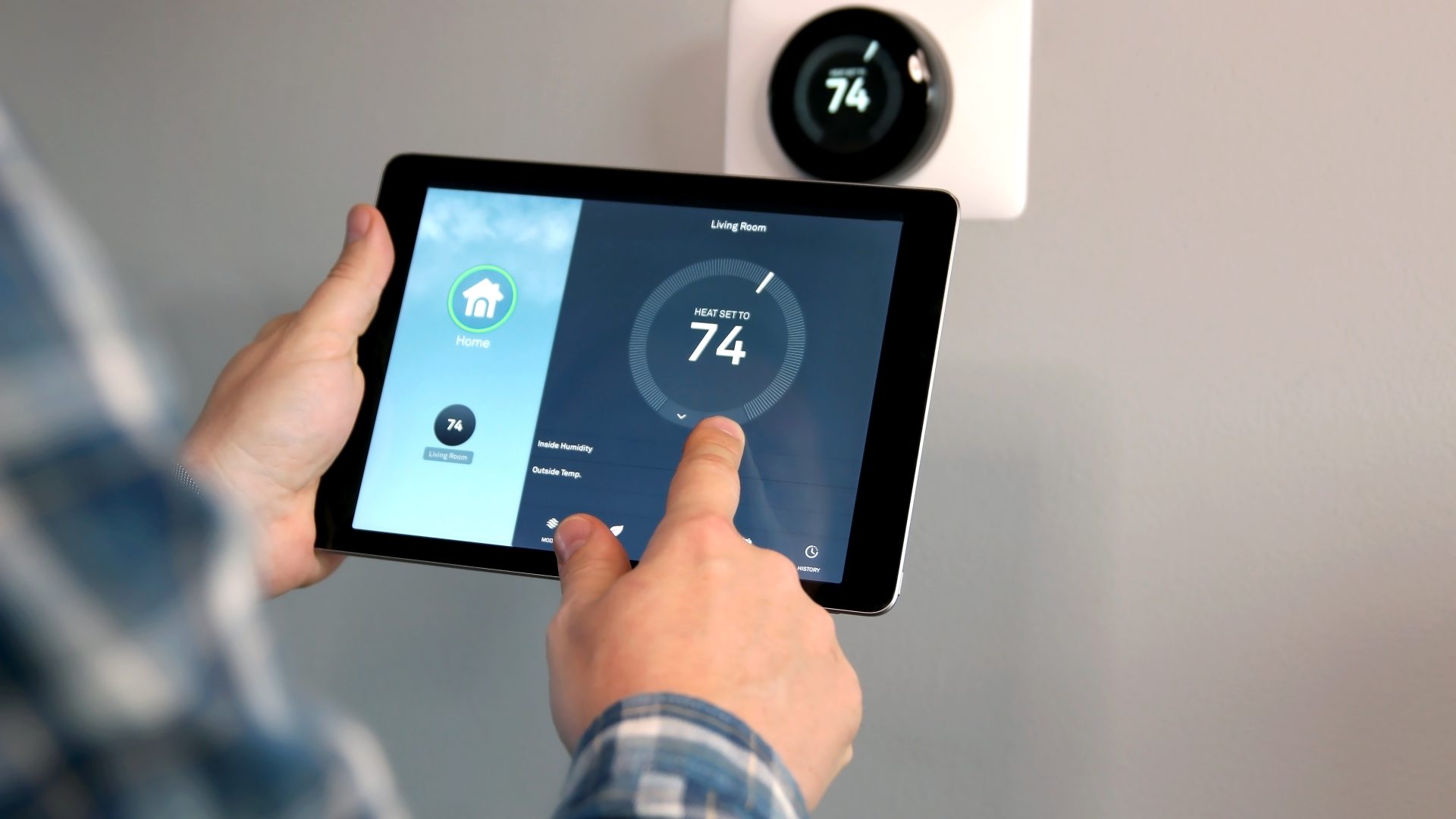

When most homeowners think about air conditioning problems, they usually picture dirty filters, frozen coils, or low refrigerant levels. However, many unexpected AC breakdowns actually begin with electrical issues hidden inside the system. Your air conditioner relies heavily on electrical components to operate properly, and even a small problem with wiring, voltage, or connections can lead to expensive repairs if ignored.
At Texas Air Authorities, we have seen firsthand how electrical problems can quietly damage HVAC systems across the Dallas-Fort Worth Metroplex. Understanding how these issues affect your air conditioner can help you prevent sudden breakdowns, improve efficiency, and extend the life of your equipment.
Why Electrical Components Matter in an AC System
Modern air conditioning systems depend on several electrical parts working together seamlessly. Your thermostat communicates with the system electronically, capacitors help motors start, contactors control electrical flow, and wiring connects every component throughout the unit.
If one electrical part begins to fail, the entire system can suffer. Unlike mechanical wear that often develops gradually, electrical issues can escalate quickly and create major failures with little warning.
Common Electrical Problems That Affect Air Conditioners
1. Faulty Capacitors
Capacitors are one of the most common electrical components to fail in an AC system. They provide the energy needed to start the compressor and fan motors. Over time, heat exposure and regular wear can weaken them.
When a capacitor begins failing, you may notice:
- Humming noises from the outdoor unit
- Difficulty starting the AC
- Warm air blowing through vents
- Random system shutdowns
A bad capacitor forces the system to work harder, which can eventually damage the compressor — one of the most expensive AC repairs homeowners face.
2. Loose or Damaged Wiring
Air conditioners naturally vibrate during operation. Over time, those vibrations can loosen electrical connections or damage wires. Rodents, corrosion, and age can also contribute to wiring problems.
Damaged wiring can lead to:
- Intermittent cooling problems
- Tripped breakers
- Burning smells
- System short cycling
- Complete unit failure
Loose electrical connections also create safety risks because overheating wires can potentially cause electrical fires if left untreated.
3. Tripped Circuit Breakers
Your AC system requires significant electrical power, especially during hot Texas summers. If the system draws too much electricity, the breaker may trip to protect your home’s electrical system.
While resetting the breaker once may not seem serious, repeated breaker trips often signal a larger issue such as:
- Compressor problems
- Electrical shorts
- Dirty coils causing overwork
- Failing motors
- Voltage irregularities
Ignoring recurring breaker trips can eventually damage both your HVAC equipment and your home’s electrical panel.
4. Thermostat Electrical Malfunctions
Sometimes homeowners assume their AC unit is failing when the real issue is the thermostat. Faulty wiring, dead batteries, calibration errors, or damaged sensors can interfere with communication between the thermostat and HVAC system.
This may cause:
- Inconsistent temperatures
- Constant cycling on and off
- Unresponsive controls
- Incorrect temperature readings
A professional inspection can quickly identify whether the issue originates with the thermostat or the air conditioner itself.
5. Voltage Fluctuations and Power Surges
Texas storms and power outages can create sudden voltage spikes that damage sensitive HVAC components. Air conditioners are especially vulnerable because they contain multiple electrical parts operating simultaneously.
Power surges may damage:
- Control boards
- Compressors
- Capacitors
- Fan motors
- Thermostats
Installing surge protection for your HVAC system can help reduce the risk of costly repairs after storms or utility interruptions.
Warning Signs of Electrical AC Problems
Electrical issues often show subtle symptoms before a major breakdown occurs. Contacting a professional early can help prevent more serious damage.
Watch for these warning signs:
- Buzzing or humming noises
- Burning odors
- Flickering lights when the AC starts
- Frequently tripped breakers
- Warm air from vents
- AC unit struggling to start
- Higher-than-normal energy bills
- Short cycling
If you notice any of these symptoms, it is best to schedule an inspection before the issue worsens.
How Preventive Maintenance Helps
Routine HVAC maintenance is one of the best ways to detect electrical issues early. During professional maintenance visits, technicians inspect wiring, test voltage levels, tighten electrical connections, and evaluate system performance.
At Texas Air Authorities, our NATE-certified technicians carefully inspect every major electrical component during maintenance appointments to help homeowners avoid unexpected breakdowns and expensive emergency repairs.
Preventive service can help:
- Improve system efficiency
- Reduce repair costs
- Extend equipment lifespan
- Improve home comfort
- Lower monthly energy bills
Why Professional Repairs Matter
Electrical HVAC repairs should never be handled without proper training. Air conditioning systems use high-voltage electricity, and incorrect repairs can create safety hazards or damage the equipment further.
Professional technicians have the tools and expertise needed to:
- Diagnose electrical failures accurately
- Repair damaged components safely
- Test system performance
- Ensure proper electrical connections
- Prevent recurring issues
Choosing experienced HVAC professionals ensures your system receives the proper repairs while protecting your home and family.
Conclusion
Electrical problems are one of the leading causes of unexpected air conditioning repairs. From failing capacitors and damaged wiring to thermostat malfunctions and voltage surges, these hidden issues can quickly affect your comfort and lead to costly breakdowns.
The good news is that many electrical AC problems can be identified early through routine inspections and maintenance. Paying attention to warning signs and scheduling professional service promptly can help you avoid major repairs and keep your cooling system running efficiently throughout the Texas heat.
At Texas Air Authorities, we proudly provide expert HVAC repair, maintenance, and installation services throughout the Dallas-Fort Worth Metroplex. Whether you need electrical troubleshooting, AC repairs, or a complete system replacement, our experienced team is ready to help keep your home comfortable year-round.
Texas Air Authorities is the premier choice for HVAC services in Arlington. With a team of highly trained and certified technicians, we have the expertise to handle all of your heating, ventilation, and air conditioning needs. Our commitment to customer satisfaction is unmatched, and we always go above and beyond to ensure that your experience with us is positive. We use only the highest quality parts and equipment to ensure that your HVAC system is running at peak performance. Plus, we offer competitive pricing and flexible scheduling to fit your needs. Choose Texas Air Authorities for all of your HVAC needs in Arlington.
