
Maintaining the right level of humidity in your home is crucial for comfort, health, and the longevity of your HVAC system. High indoor humidity can make your home feel warmer than it actually is, promote mold growth, and damage furniture, while low humidity can cause dry skin, respiratory issues, and static electricity. Modern air conditioning systems are designed to not only cool your home but also regulate indoor humidity effectively, providing a more comfortable and healthier living environment.
Why Humidity Control Matters
Humidity is the amount of moisture in the air, and controlling it is as important as controlling temperature. Excessive moisture can lead to mold, mildew, and dust mites, which are common allergens. On the other hand, overly dry air can irritate your skin, eyes, and respiratory system. Traditional AC systems often focus solely on cooling the air, leaving homeowners to deal with sticky, humid summers or overly dry winters. Modern AC installations address this challenge with advanced technology to balance both temperature and moisture levels.
Features of Modern AC Systems for Humidity Control
1.Variable-Speed Compressors
Many modern air conditioners come equipped with variable-speed compressors that can adjust their cooling output according to your home’s needs. Unlike traditional single-speed systems that cycle on and off, variable-speed units run continuously at lower speeds, removing more moisture from the air while maintaining a consistent temperature. This approach prevents the humid “on-off” swings that older units often create.
2.Two-Stage Cooling Systems
Two-stage AC systems operate at either a low or high cooling setting. The low stage handles mild cooling demands efficiently, running longer cycles that allow the system to extract more moisture from the air. During extreme heat, the high stage kicks in, providing maximum cooling without sacrificing humidity control. Two-stage systems are especially beneficial in climates like Dallas-Fort Worth, where humidity can fluctuate drastically.
3.Enhanced Air Filtration
Modern systems often include high-efficiency air filters that trap dust, pollen, and other airborne particles. While filtration primarily improves air quality, it also contributes indirectly to humidity control by preventing excess moisture from binding with dust and circulating back into the home. Cleaner air supports healthier humidity levels and reduces the likelihood of mold growth.
4.Smart Thermostats and Humidistats
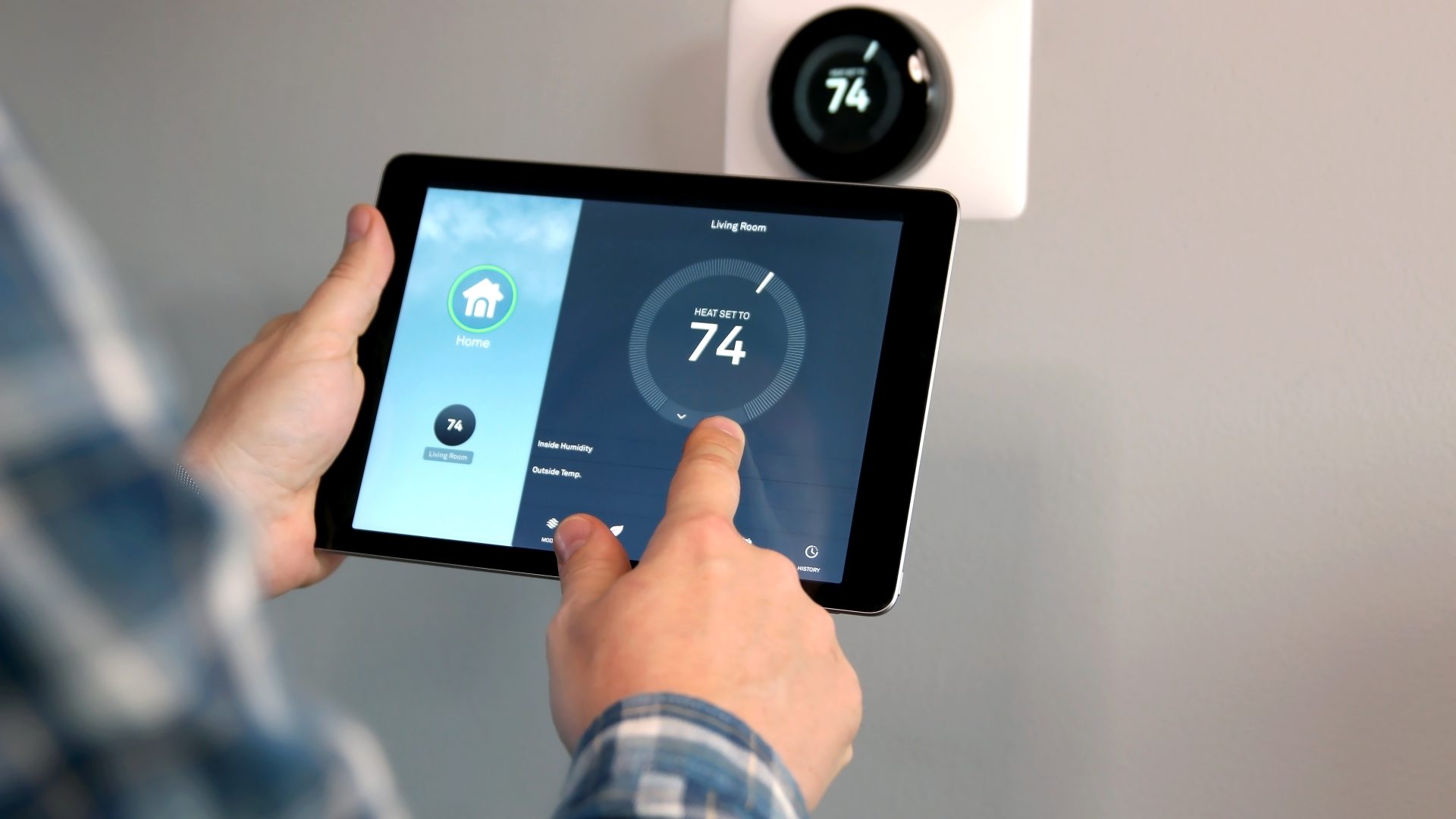
Many new HVAC installations integrate smart thermostats and dedicated humidistats that monitor indoor humidity levels and adjust the system accordingly. These devices provide homeowners with precise control, alerting them when humidity levels are too high or low, and optimizing AC performance to maintain comfort.
5.Dehumidification-Ready Systems
Some modern AC systems come with built-in dehumidification modes or can be paired with supplemental dehumidifiers. These units remove excess moisture efficiently without overcooling the home, making them ideal for homes in areas with high summer humidity.
Benefits of Proper Humidity Control
- Improved Comfort: Balanced humidity makes your home feel cooler in summer and warmer in winter without constantly adjusting the thermostat.
- Healthier Living Environment: Reduced risk of mold, mildew, and allergens improves respiratory health and overall well-being.
- Energy Efficiency: Systems that control humidity effectively often reduce the need for extreme cooling, lowering energy bills.
- Protection for Home and Furniture: Proper humidity levels prevent wood warping, paint peeling, and damage to electronics or furniture.
Professional Installation Is Essential
The benefits of modern AC technology are only fully realized when the system is installed correctly. Improper installation can lead to poor humidity control, reduced efficiency, and frequent repairs. At Texas Air Authorities, our NATE-certified technicians ensure that every AC installation is tailored to your home’s layout, insulation, and cooling needs. We offer same-day appointments, free estimates, and expert guidance on selecting systems that optimize both temperature and humidity control for homes across Arlington, Fort Worth, Bedford, and surrounding areas.
Conclusion
Modern air conditioning systems are more than just cooling machines—they are advanced tools for maintaining a comfortable, healthy indoor environment. Features like variable-speed compressors, two-stage cooling, smart thermostats, and dehumidification modes work together to regulate humidity while keeping your home at the perfect temperature. Partnering with a professional HVAC contractor like Texas Air Authorities ensures your system is installed correctly and operates efficiently, giving you long-term comfort, improved air quality, and energy savings.
Texas Air Authorities is the premier choice for HVAC services in Arlington. With a team of highly trained and certified technicians, we have the expertise to handle all of your heating, ventilation, and air conditioning needs. Our commitment to customer satisfaction is unmatched, and we always go above and beyond to ensure that your experience with us is positive. We use only the highest quality parts and equipment to ensure that your HVAC system is running at peak performance. Plus, we offer competitive pricing and flexible scheduling to fit your needs. Choose Texas Air Authorities for all of your HVAC needs in Arlington.
