
Storm season in Texas is known for its intense thunderstorms, high winds, heavy rainfall, and occasional hail. While these weather events can bring much-needed relief from the heat, they can also create unexpected problems for your air conditioning system. Many homeowners do not realize that severe weather can directly impact HVAC performance, often leading to sudden repairs right when you need cooling the most. Understanding how storm season affects your AC unit can help you prepare and avoid costly breakdowns.
Power Surges and Electrical Damage
One of the most common issues during storm season is power surges. Lightning strikes and sudden power fluctuations can cause significant damage to your air conditioning system’s electrical components. Your AC relies on sensitive parts such as capacitors, circuit boards, and contactors. Even a minor surge can weaken these components, leading to system malfunctions or complete failure.
After a storm, you may notice:
- The AC unit not turning on.
- Frequent tripping of breakers.
- Strange noises during startup.
- Inconsistent cooling performance.
These issues often indicate electrical damage that requires professional attention. Installing surge protection and scheduling inspections after severe storms can help minimize risks.
Debris Blocking Outdoor Units
Storms often bring strong winds that carry debris such as leaves, branches, dirt, and even small rocks. Your outdoor condenser unit is especially vulnerable to this debris. When airflow becomes restricted, the system must work harder to cool your home, which can lead to overheating and eventual breakdown.
Common debris-related problems include:
- Reduced cooling efficiency.
- Frozen evaporator coils.
- Overworked compressor.
- Increased energy bills.
Keeping the area around your outdoor unit clear and checking it after storms can prevent many of these issues.
Flooding and Water Damage
Heavy rainfall and flash flooding are frequent during Texas storm season. Excess water can accumulate around your outdoor unit and sometimes seep into electrical components. Water damage can corrode wiring, damage motors, and affect the overall functionality of the system.
Signs of water-related AC problems include:
- Unusual buzzing or humming sounds.
- AC unit failing to start.
- Musty odors from vents.
- Short cycling or frequent shutdowns.
If your system has been exposed to flooding, it is essential to have it inspected before running it continuously.
Hail Damage to Condenser Coils
Hailstorms are another major threat during Texas storm season. Even small hailstones can dent the delicate aluminum fins on your condenser coil. When these fins are bent, airflow becomes restricted, which reduces cooling efficiency and strains the compressor.
Potential hail damage effects include:
- Reduced cooling capacity.
- Higher energy consumption.
- Increased wear and tear on components.
- Premature system failure.
While some minor fin damage can be repaired, severe hail impact may require coil replacement.
Thermostat and Sensor Malfunctions
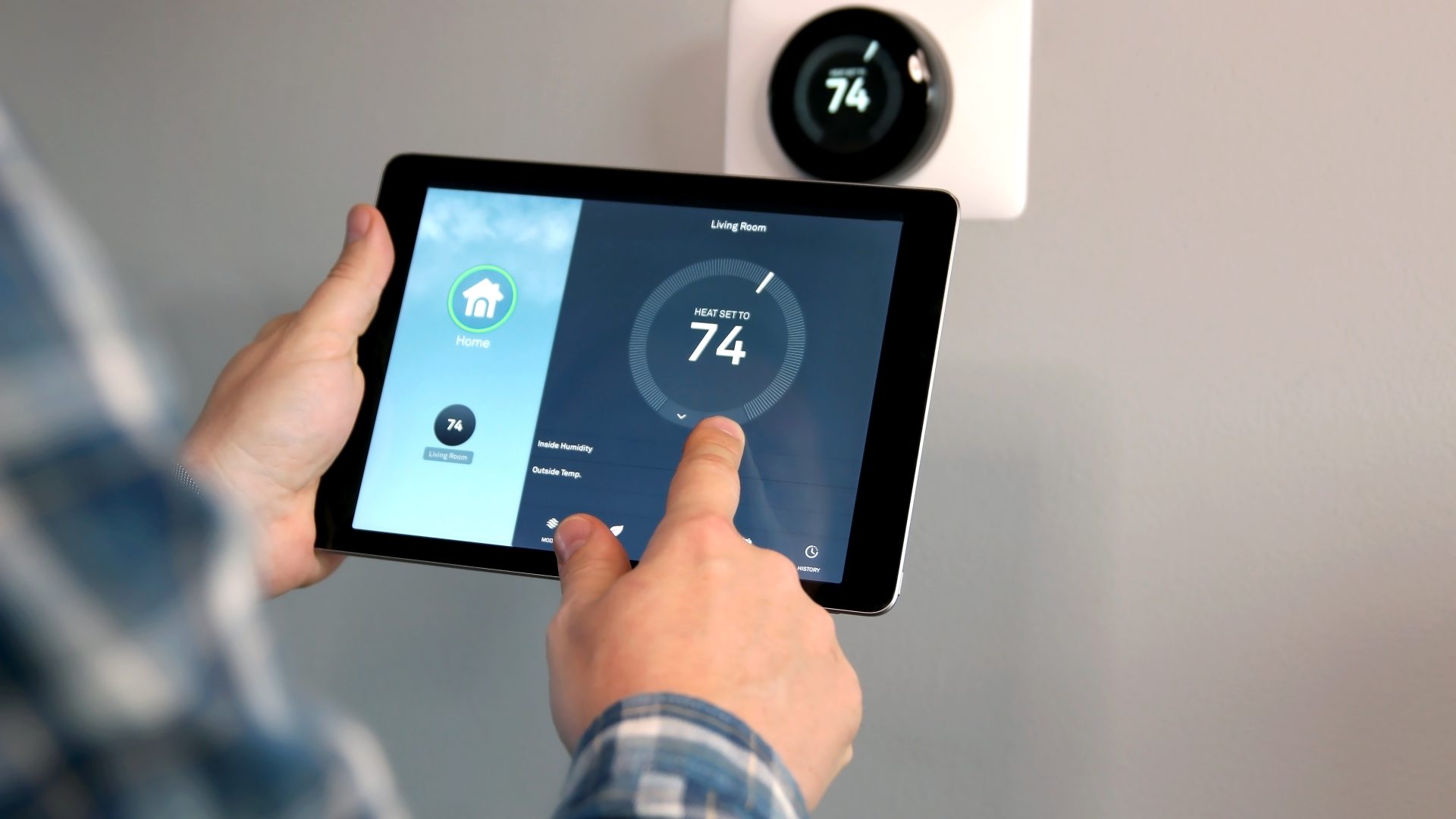
Storm-related power interruptions can also affect your thermostat and internal sensors. When these controls malfunction, your AC may cycle improperly or fail to maintain the desired temperature. In some cases, homeowners assume the entire AC system is broken when the issue is actually with the thermostat.
Look for these warning signs:
- Incorrect temperature readings.
- AC turning on and off randomly.
- Unresponsive thermostat display.
- System running continuously.
A quick inspection and recalibration can often resolve these problems.
Preventive Steps Before Storm Season
Taking proactive measures can significantly reduce the chances of sudden AC repairs during storm season. Consider these preventive steps:
- Schedule seasonal maintenance before storms begin.
- Install a surge protector for your HVAC system.
- Clear debris around your outdoor unit regularly.
- Trim nearby tree branches.
- Ensure proper drainage around the condenser.
- Turn off the system during severe lightning storms if safe to do so.
Why Quick Repairs Matter
Delaying repairs after a storm can worsen the damage. A minor electrical issue or airflow restriction can quickly escalate into compressor failure, which is one of the most expensive HVAC repairs. Addressing issues early helps maintain comfort, reduce energy costs, and extend the life of your system.
Conclusion
Storm season in Texas can create unexpected challenges for your air conditioning system. From power surges and debris to flooding and hail damage, severe weather increases the likelihood of sudden AC repairs. Staying proactive with maintenance, inspecting your system after storms, and addressing small issues quickly can help you avoid major breakdowns. By preparing ahead of time, you can ensure your home stays cool and comfortable, even during the most unpredictable Texas weather.
Texas Air Authorities is the premier choice for HVAC services in Arlington. With a team of highly trained and certified technicians, we have the expertise to handle all of your heating, ventilation, and air conditioning needs. Our commitment to customer satisfaction is unmatched, and we always go above and beyond to ensure that your experience with us is positive. We use only the highest quality parts and equipment to ensure that your HVAC system is running at peak performance. Plus, we offer competitive pricing and flexible scheduling to fit your needs. Choose Texas Air Authorities for all of your HVAC needs in Arlington.
