
When homeowners invest in a new air conditioning system, they expect reliable performance, lower energy bills, and improved comfort for years to come. However, one factor that often determines whether an AC system performs well or constantly needs repairs is the quality of the installation. Even the most advanced equipment can struggle if it is not installed correctly.
Poor AC installation can lead to years of ongoing repair issues, reduced efficiency, and unnecessary stress on your cooling system. Understanding how installation mistakes impact your HVAC system can help homeowners make smarter decisions when installing or replacing their air conditioner.
Incorrect System Sizing
One of the most common installation mistakes is choosing an air conditioner that is not properly sized for the home. A system that is too small will struggle to keep up with cooling demands, causing it to run constantly. This continuous operation increases wear on components and often results in frequent repairs.
On the other hand, an oversized system can cool the home too quickly without properly removing humidity. This leads to short cycling, where the system turns on and off frequently. Short cycling places extra stress on the compressor and other components, which can significantly reduce the system’s lifespan.
Proper system sizing requires a professional load calculation that considers factors such as home size, insulation, window placement, and climate conditions.
Improper Refrigerant Charge
The refrigerant plays a crucial role in the cooling process. If an AC system is installed with too much or too little refrigerant, it cannot operate efficiently.
Incorrect refrigerant levels can cause several long-term issues, including:
- Reduced cooling performance
- Increased energy consumption
- Frozen evaporator coils
- Compressor damage
Since the compressor is one of the most expensive components of an air conditioning system, installation errors involving the refrigerant can eventually lead to costly repairs or system replacement.
Poor Ductwork Connections
Your air conditioning system depends on ductwork to distribute cooled air throughout your home. During installation, ducts must be properly sealed and connected to ensure efficient airflow.
If ducts are poorly installed, disconnected, or improperly sealed, a large portion of conditioned air can be lost before it reaches your living spaces. This forces the system to work harder and run longer cycles to maintain the desired temperature.
Over time, this extra strain can lead to motor failures, compressor problems, and other expensive repair issues.
Incorrect Thermostat Placement
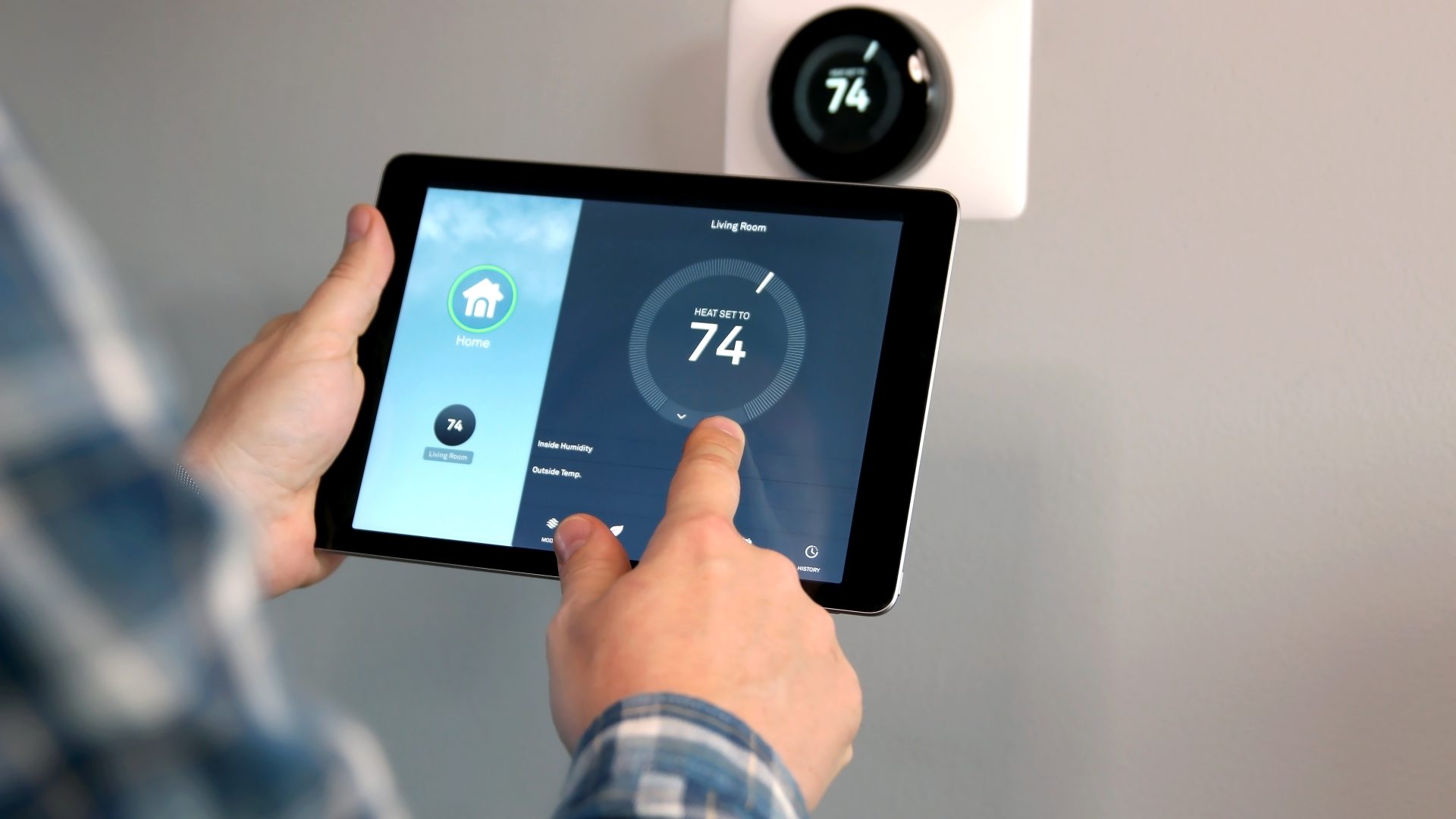
Another installation detail that often gets overlooked is thermostat placement. The thermostat acts as the control center for your entire HVAC system, and its location plays an important role in how accurately it reads the temperature in your home.
If a thermostat is installed near windows, direct sunlight, kitchen appliances, or air vents, it may detect temperatures that are not representative of the rest of the house. This can cause the air conditioner to run too often or not enough, leading to inconsistent comfort and unnecessary system strain.
Proper thermostat placement ensures the system cycles correctly and maintains balanced cooling throughout the home.
Improper Drainage Setup
Air conditioners remove moisture from the air as part of the cooling process. This moisture collects in a condensate drain system that must be properly installed to remove water safely.
If the drainage system is poorly designed or incorrectly installed, it can lead to water leaks, mold growth, and damage to surrounding components. Over time, this moisture buildup can also affect indoor air quality and lead to costly repairs.
Electrical and Component Installation Errors
HVAC systems rely on several electrical connections to operate safely and efficiently. Loose wiring, incorrect voltage connections, or improperly installed components can cause serious problems.
Electrical installation errors may lead to:
- Frequent system shutdowns
- Blown fuses or tripped breakers
- Damaged circuit boards
- Reduced equipment lifespan
Ensuring all electrical components are properly installed is essential for safe and reliable system operation.
The Importance of Professional AC Installation
Professional installation plays a critical role in the long-term reliability of your air conditioning system. Skilled technicians follow proper procedures for system sizing, refrigerant charging, duct connections, and electrical setup to ensure everything operates correctly from the beginning.
When installation is done properly, homeowners can enjoy better energy efficiency, fewer repair issues, and a longer system lifespan.
Conclusion
While many homeowners focus on choosing the right air conditioning brand or model, the quality of the installation is just as important. Poor installation can lead to years of AC repair issues, higher energy bills, and reduced system performance.
Problems such as incorrect sizing, refrigerant errors, poor ductwork connections, improper thermostat placement, and electrical mistakes can all cause long-term damage to your HVAC system. Investing in professional installation helps ensure your air conditioner operates efficiently and reliably for many years. With the right expertise and attention to detail, homeowners can avoid costly repair problems and enjoy consistent comfort throughout the hottest months of the year.
Texas Air Authorities is the premier choice for HVAC services in Arlington. With a team of highly trained and certified technicians, we have the expertise to handle all of your heating, ventilation, and air conditioning needs. Our commitment to customer satisfaction is unmatched, and we always go above and beyond to ensure that your experience with us is positive. We use only the highest quality parts and equipment to ensure that your HVAC system is running at peak performance. Plus, we offer competitive pricing and flexible scheduling to fit your needs. Choose Texas Air Authorities for all of your HVAC needs in Arlington.
