
Storm season in Texas can bring heavy rain, high winds, lightning, and sudden temperature changes. While these storms provide relief from the intense summer heat, they can also create unexpected problems for your air conditioning system. Many homeowners do not realize that severe weather can damage HVAC systems in several ways, leading to sudden breakdowns and costly repairs.
Understanding how storm season affects your AC system can help you prevent damage and know when to call a professional HVAC technician. At Texas Air Authorities, we often see an increase in emergency AC repair calls during storm season across the Dallas-Fort Worth Metroplex.
Why Storms Are Hard on Air Conditioning Systems
Air conditioning systems are designed to withstand normal outdoor conditions, but severe Texas storms can push them beyond their limits. Strong winds, lightning strikes, debris, and power surges can all interfere with the performance of your AC system.
Outdoor condenser units are particularly vulnerable during storms because they are exposed to the elements. When debris, branches, or flooding occur, these components can suffer damage that leads to system failure.
Storm-related AC problems may not always appear immediately. In many cases, damage occurs during the storm but becomes noticeable hours or even days later.
Common AC Problems Caused by Texas Storms
Storms can cause a wide range of HVAC issues. Some of the most common AC problems homeowners experience after severe weather include:
1.Power Surges and Electrical Damage
Lightning strikes and power fluctuations during storms can cause electrical damage to your AC system. Components such as capacitors, circuit boards, and thermostats can fail due to sudden voltage spikes.
2.Debris Damage to the Outdoor Unit
Strong winds can blow leaves, branches, dirt, and other debris into the outdoor condenser unit. This can block airflow, damage the fan blades, or clog the condenser coils, reducing the system’s ability to cool your home.
3.Flooding Around the Condenser Unit
Heavy rainfall can cause water to accumulate around the outdoor unit. If flooding reaches electrical components or internal parts, it can lead to corrosion, short circuits, or complete system failure.
4.Clogged Drain Lines
Storms can introduce dirt and debris into your system’s drainage system. When the condensate drain line becomes clogged, water may back up into the unit, potentially causing water damage and triggering system shutdowns.
5.Thermostat Malfunctions
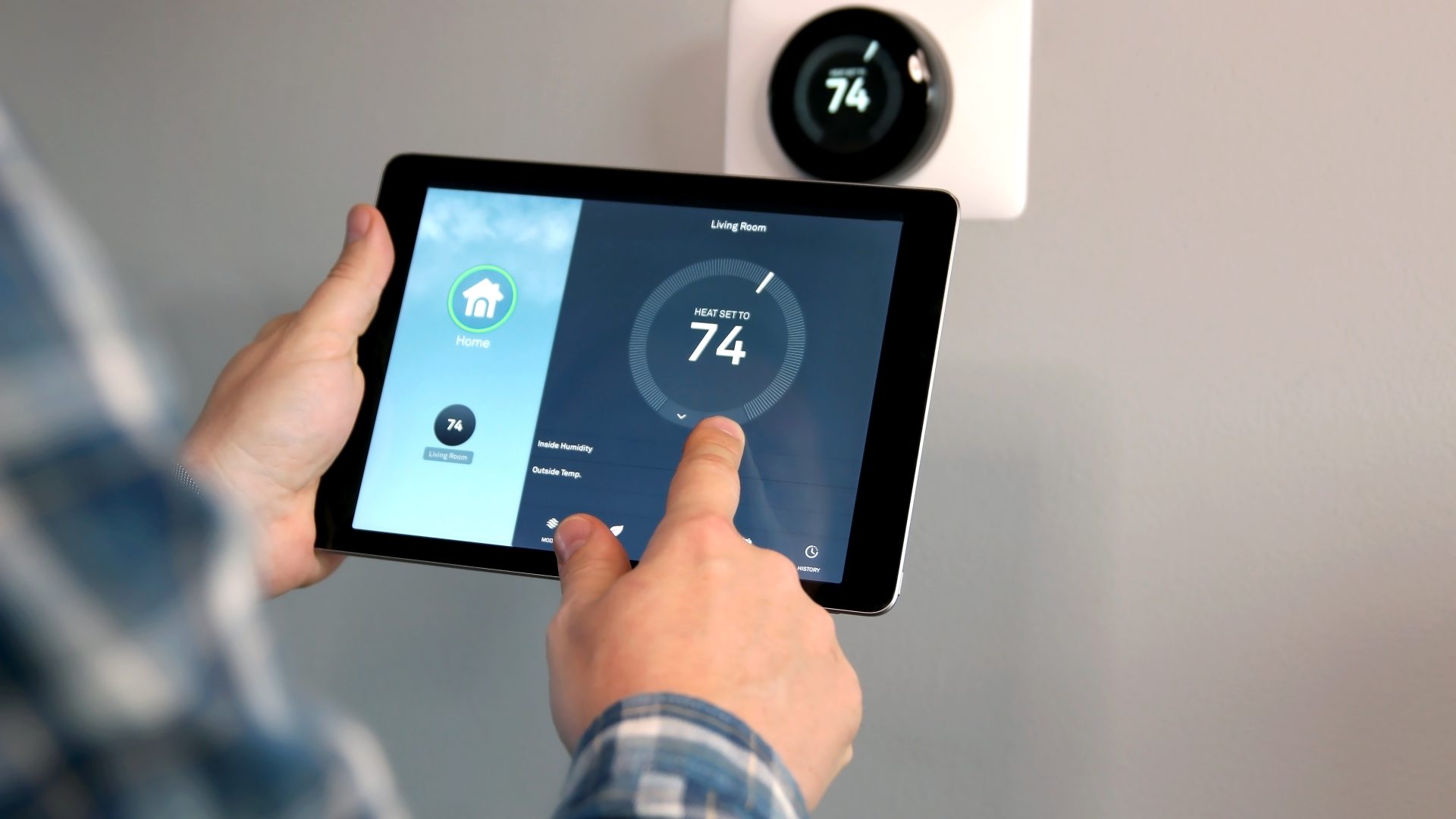
Power interruptions and electrical surges can disrupt thermostat settings or damage internal wiring. If your thermostat stops communicating with your AC unit, your system may stop working entirely.
Warning Signs Your AC Was Affected by a Storm
After a storm passes, it is important to check your HVAC system for potential issues. Some warning signs that your AC system may have suffered storm damage include:
- Weak or warm airflow from your vents
- Unusual noises coming from the outdoor unit
- Your AC system not turning on
- Frequent circuit breaker trips
- Water pooling near the unit or inside your home
- Strange smells when the system runs
If you notice any of these signs, it is best to have your system inspected by a professional HVAC technician as soon as possible.
How Professional HVAC Technicians Can Help
When storm damage affects your air conditioning system, professional inspection and repair are essential. HVAC technicians have the training and equipment needed to identify hidden damage that may not be immediately visible.
At Texas Air Authorities, our NATE-certified technicians respond quickly to storm-related AC issues. We carefully inspect electrical components, condenser coils, fan motors, and drainage systems to ensure your system is safe and operating properly. If repairs are needed, we explain the problem and provide clear options for resolving it.
We also offer same-day appointments and free estimates, helping homeowners restore comfort to their homes quickly after severe weather.
How to Protect Your AC System During Storm Season
While you cannot prevent storms, there are several steps you can take to reduce the risk of AC damage during storm season:
- Clear loose debris, branches, and leaves from around your outdoor unit.
- Trim nearby trees to prevent branches from falling onto the condenser.
- Consider installing a surge protector for your HVAC system.
- Schedule routine HVAC maintenance before peak storm season.
- Check that your outdoor unit is installed on a stable, elevated surface to reduce flood risk.
Taking these precautions can help your system withstand severe weather and reduce the chances of unexpected breakdowns.
Conclusion
Storm season in Texas can place significant stress on your air conditioning system. Lightning, heavy rain, strong winds, and debris can all contribute to sudden AC failures and unexpected repair needs. By understanding the risks and recognizing the warning signs of storm damage, homeowners can take action quickly to prevent further problems.
If your AC system stops working after a storm or begins showing signs of trouble, professional help is the best solution. Texas Air Authorities is proud to serve homeowners across the Dallas-Fort Worth Metroplex with fast, reliable HVAC services. Our experienced technicians are ready to diagnose storm-related AC issues and restore comfort to your home with quality repairs you can trust.
Texas Air Authorities is the premier choice for HVAC services in Arlington. With a team of highly trained and certified technicians, we have the expertise to handle all of your heating, ventilation, and air conditioning needs. Our commitment to customer satisfaction is unmatched, and we always go above and beyond to ensure that your experience with us is positive. We use only the highest quality parts and equipment to ensure that your HVAC system is running at peak performance. Plus, we offer competitive pricing and flexible scheduling to fit your needs. Choose Texas Air Authorities for all of your HVAC needs in Arlington.
